Doek & Slay UK
United Kingdom · 2026 · 2026, ongoing
Context
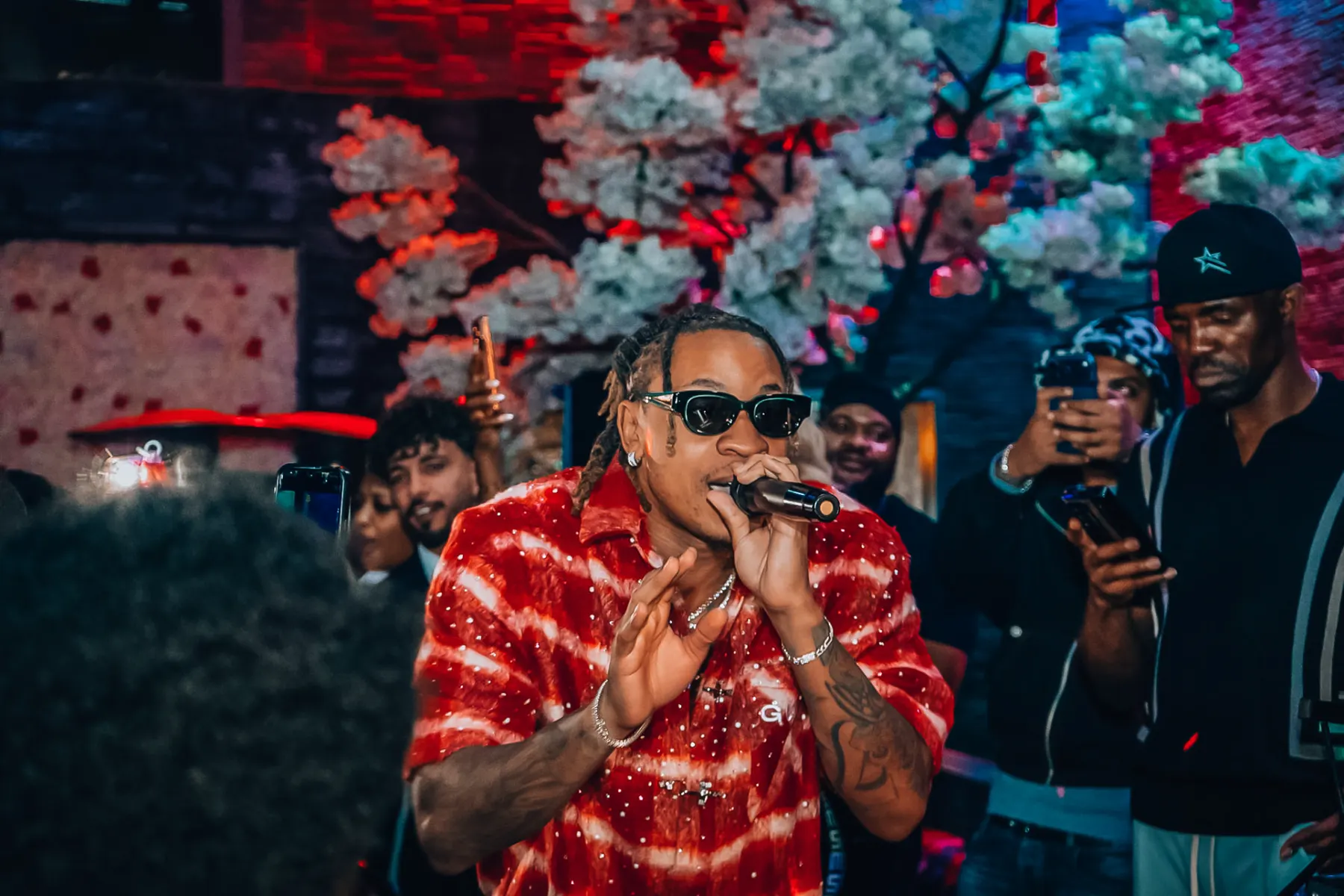
Doek & Slay is a women-only cultural festival built around sisterhood, fashion, music and community. As Head of Cultural Marketing and Audience Development, I shape its UK cultural positioning, audience strategy and growth.
Women · Sisterhood · Fashion · Music · Freedom · Spectacle
My role
Cultural Strategy · Audience Development · Community Growth · Marketing
- Cultural positioning for the festival and its UK audience.
- Audience segmentation and Zimbabwean diaspora engagement.
- Community outreach, group sales and friendship-group acquisition.
- Campaign narrative, storytelling and cultural insight.
- Partnerships, programming input and audience experience.
Want this outcome?
Event Growth Audit.
For festivals, promoters and event owners with attention that is not converting.
The work
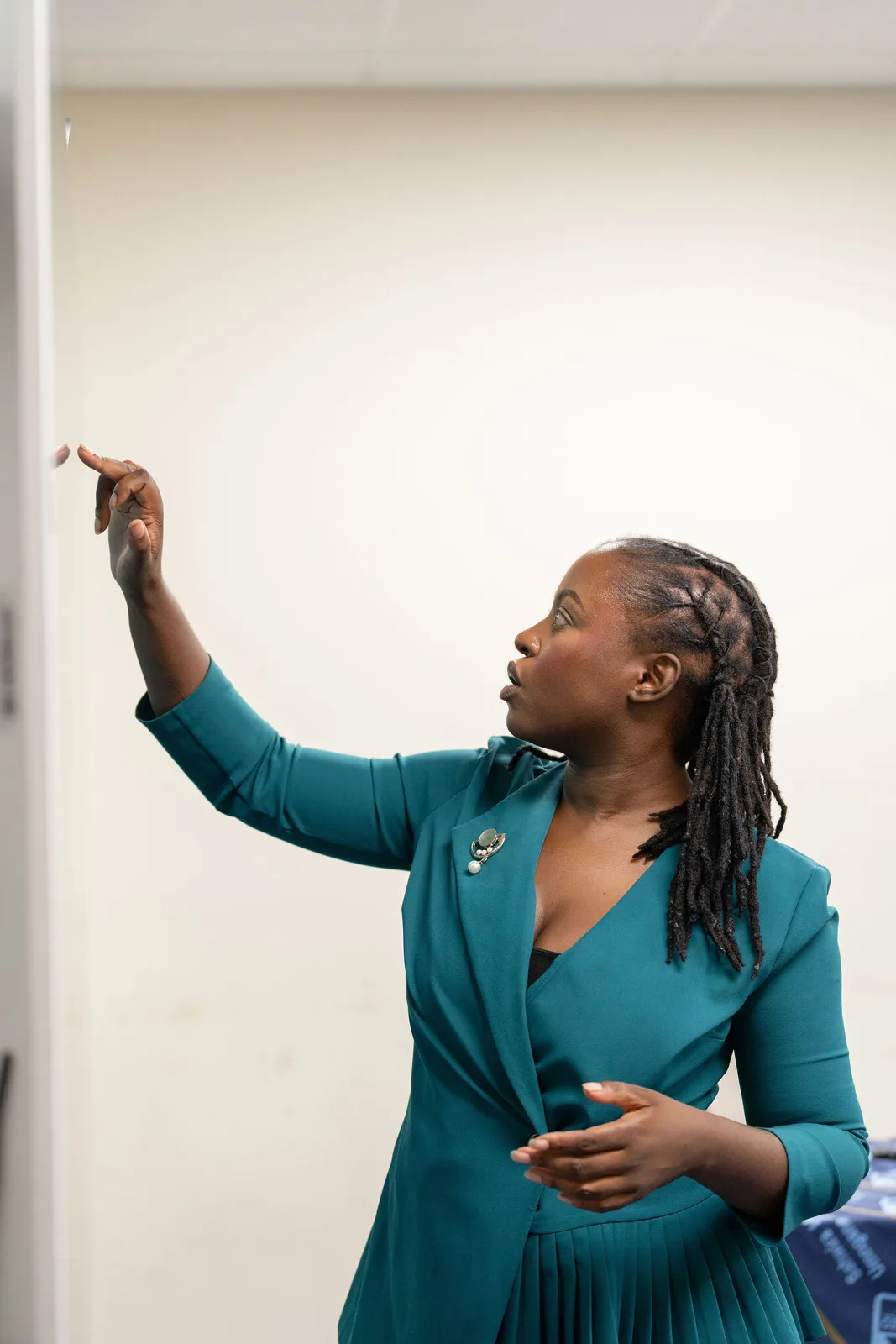
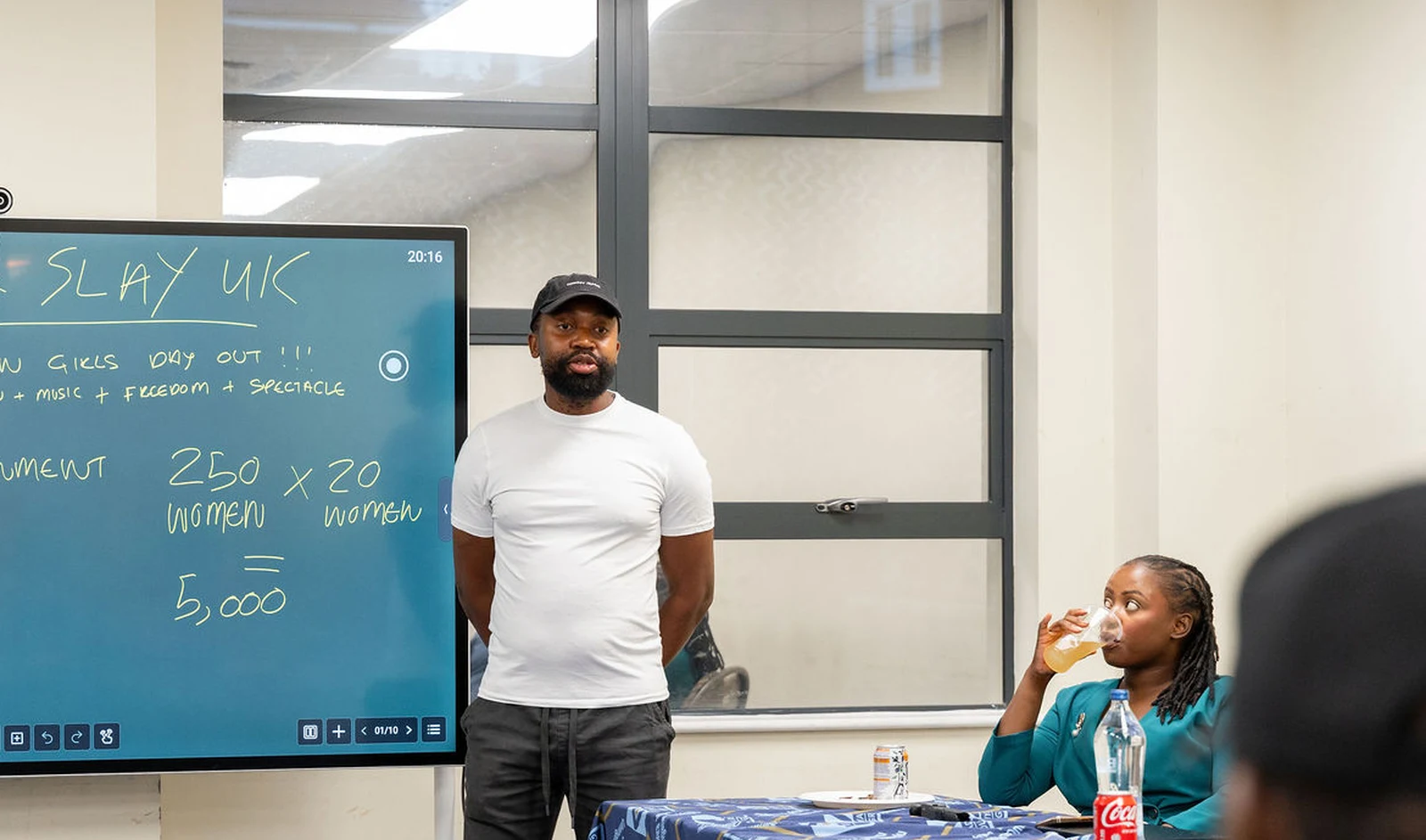
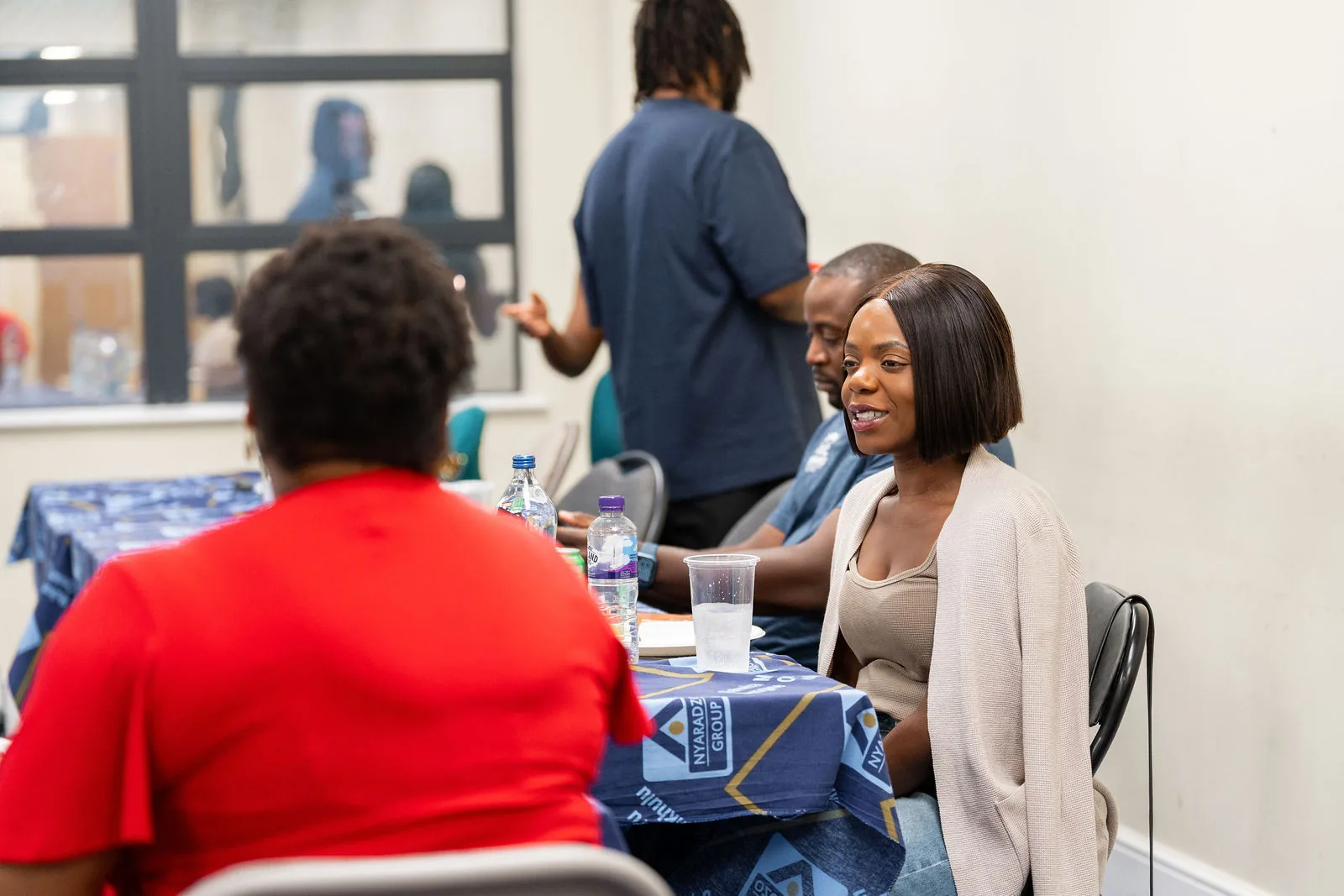
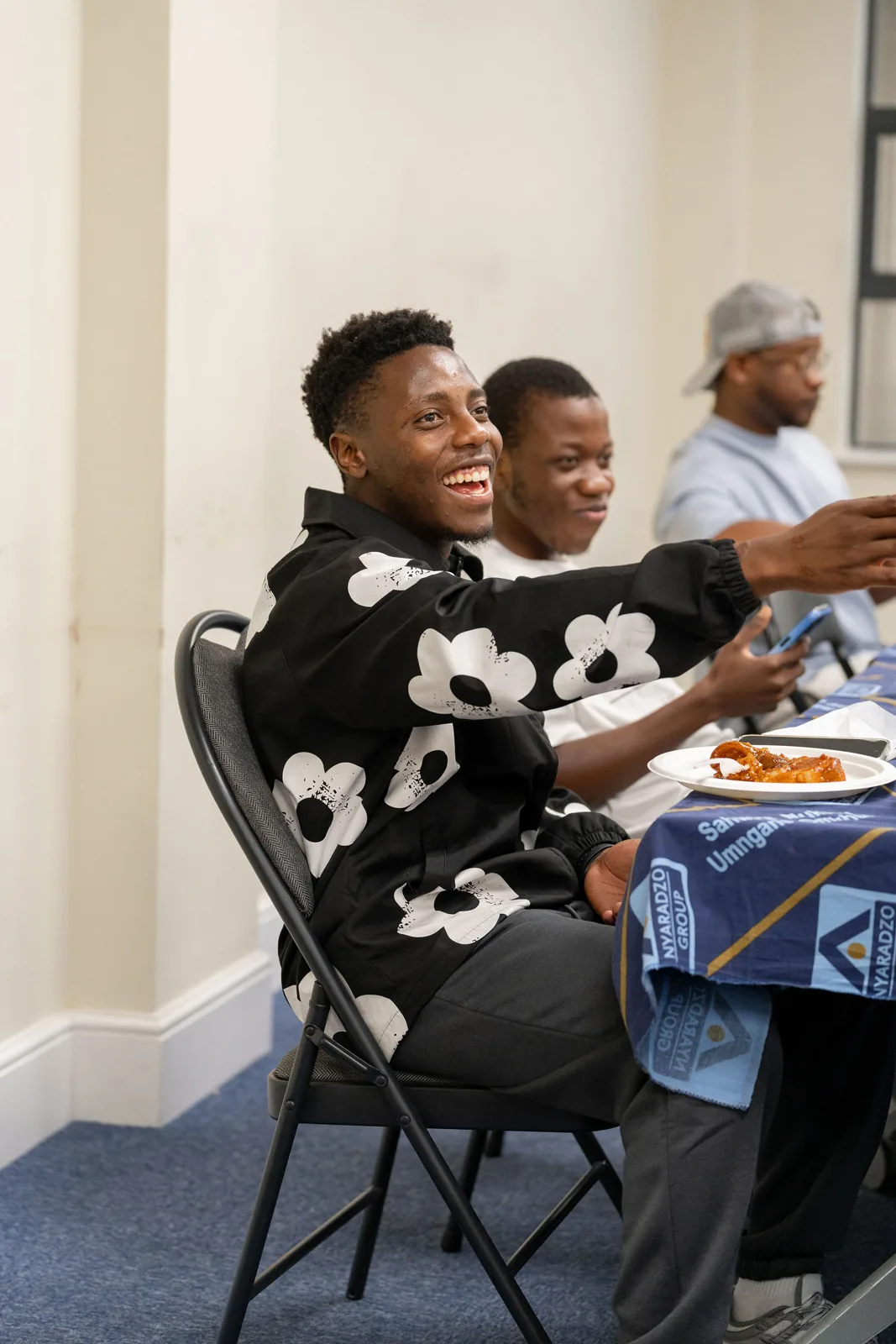
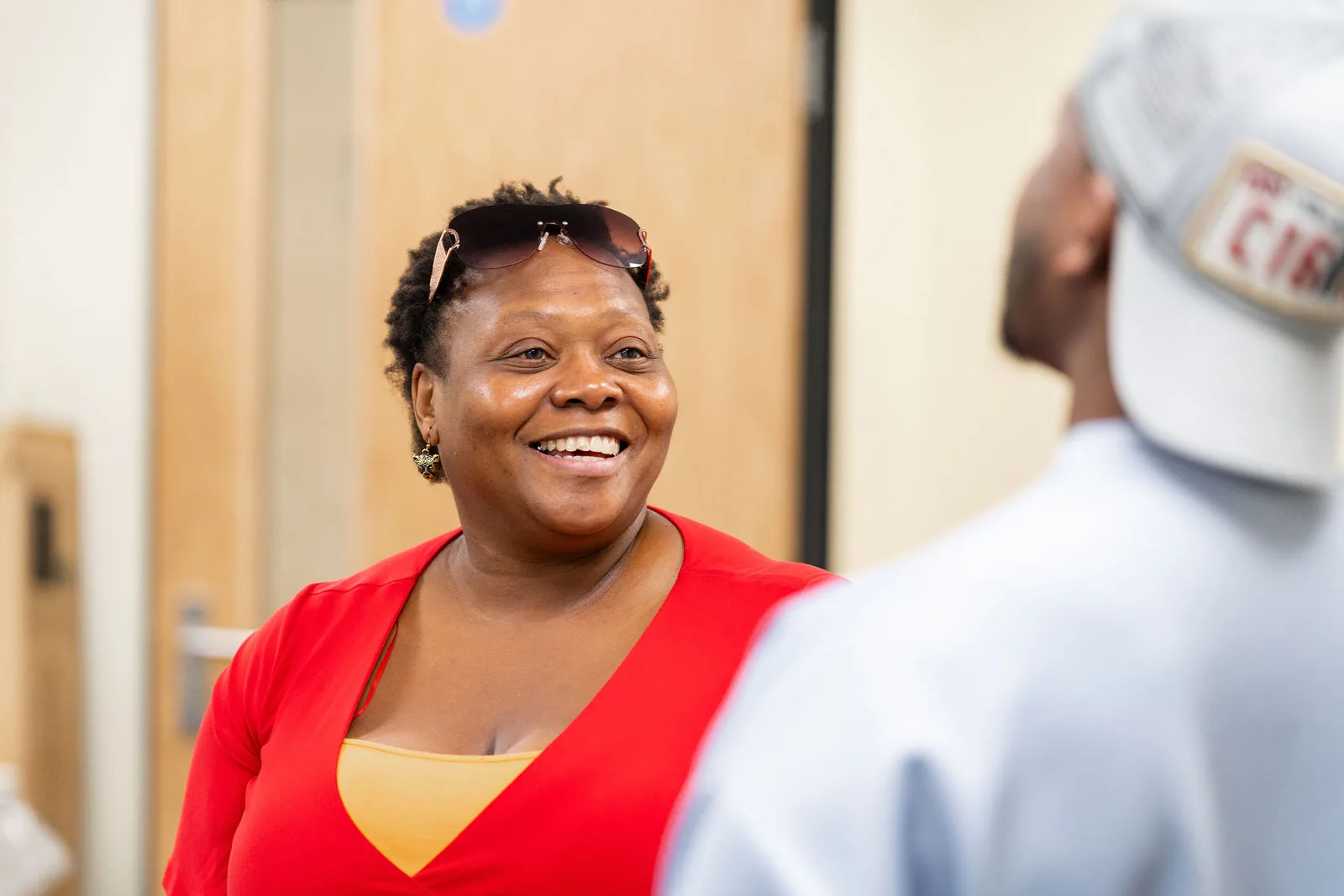
The strategy
- Audience Segmentation
- Community Networks
- Group Behaviour
- Cultural Storytelling
- Partnerships
- Programming
- Experience Design
- Audience Growth
- /Who is the Doek & Slay woman?
- /What motivates her?
- /What could stop her buying a ticket?
- /Who influences her decision to attend?
- /How important are friendship groups?
- /What role do price, location and transport play?
- /How do we reach women outside the existing audience?
- /How do we make the festival culturally desirable rather than simply advertised?
The thinking
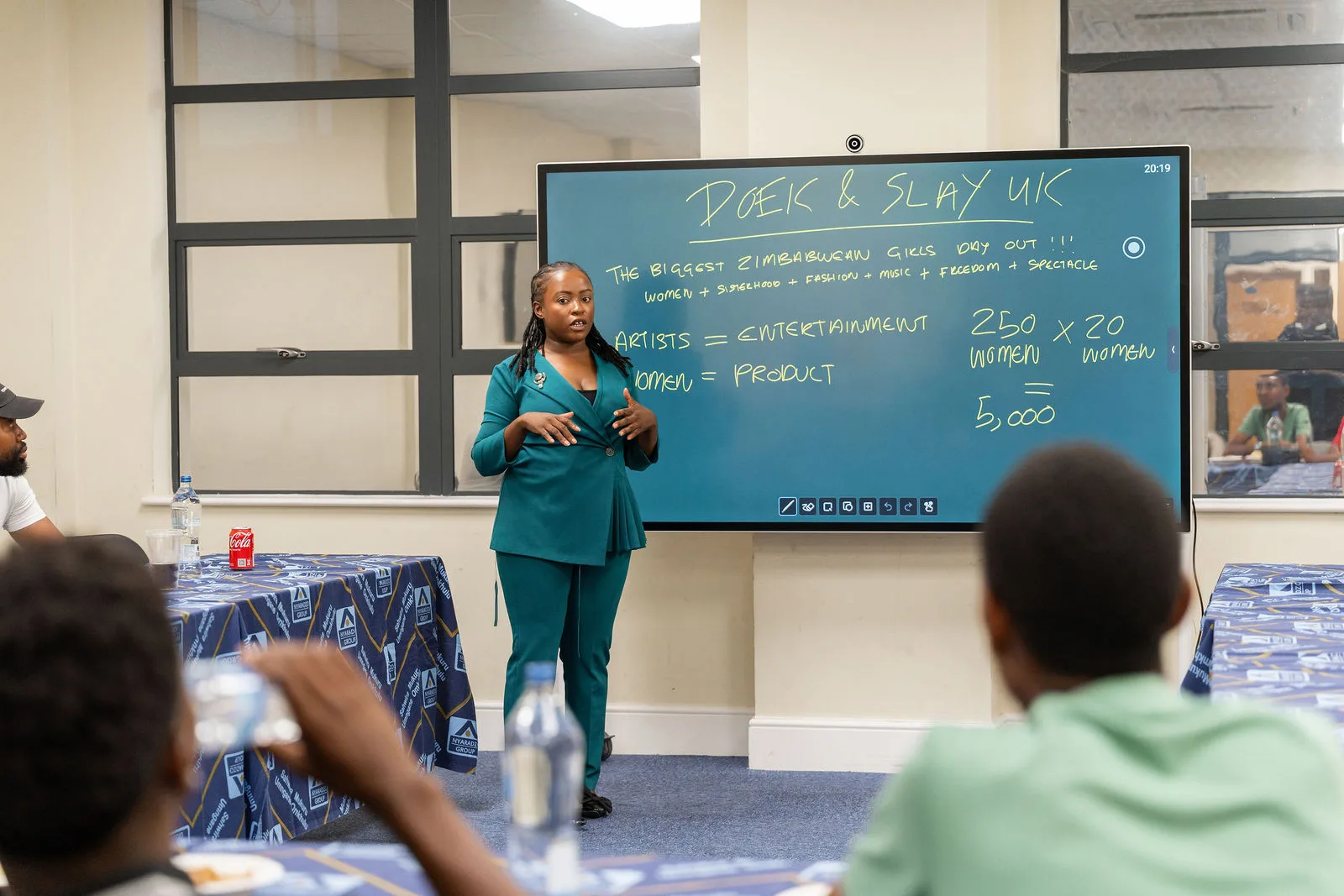
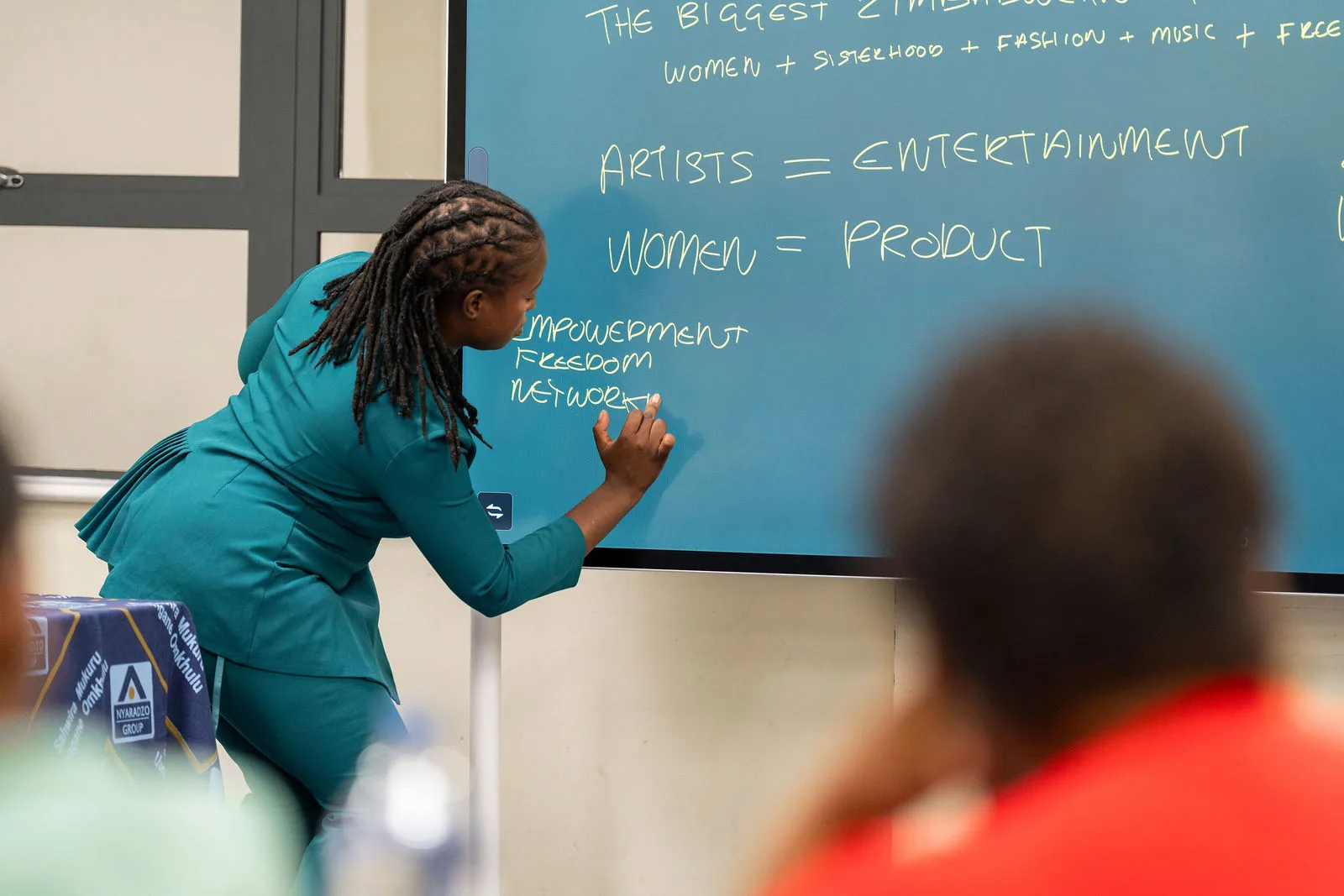
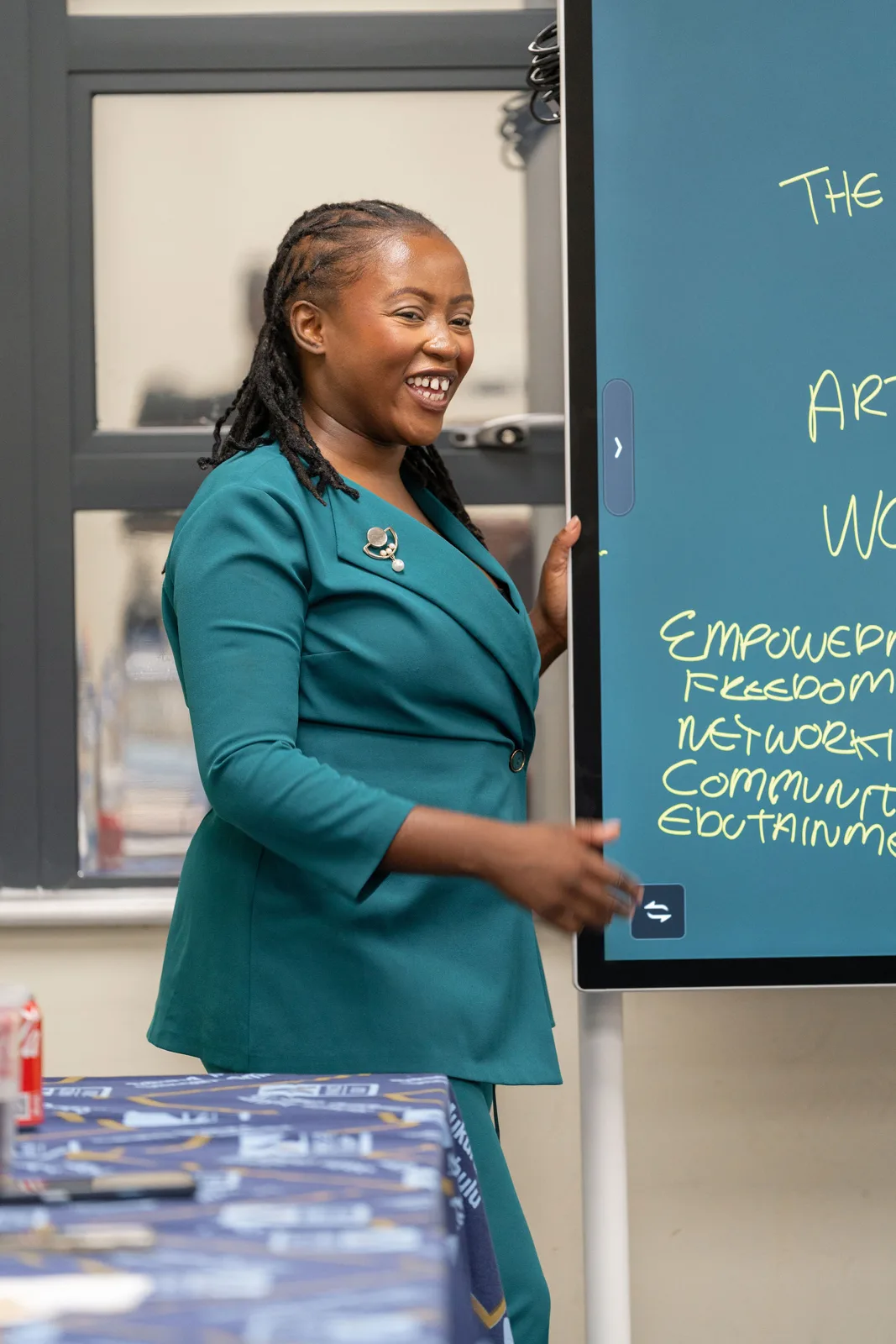
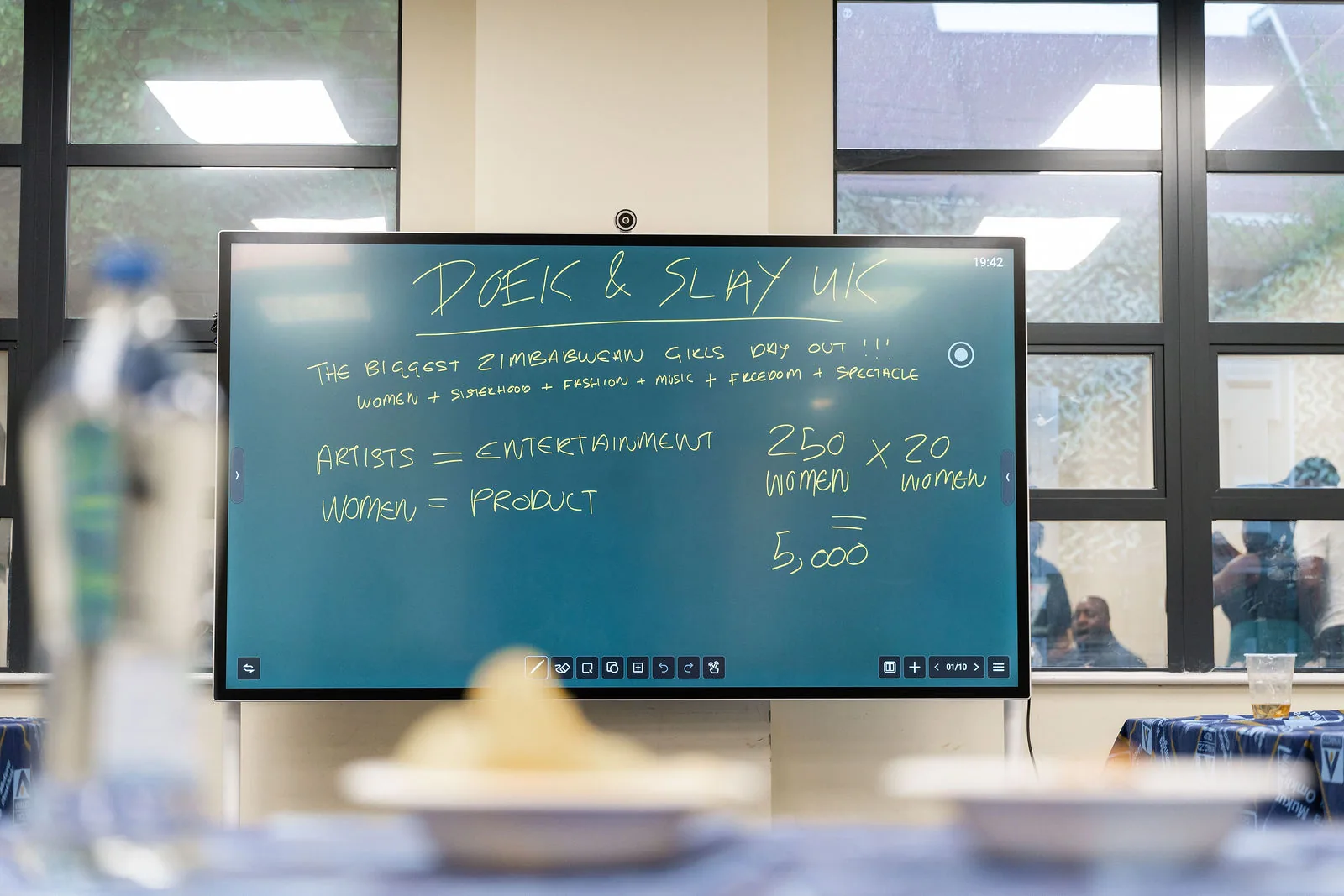
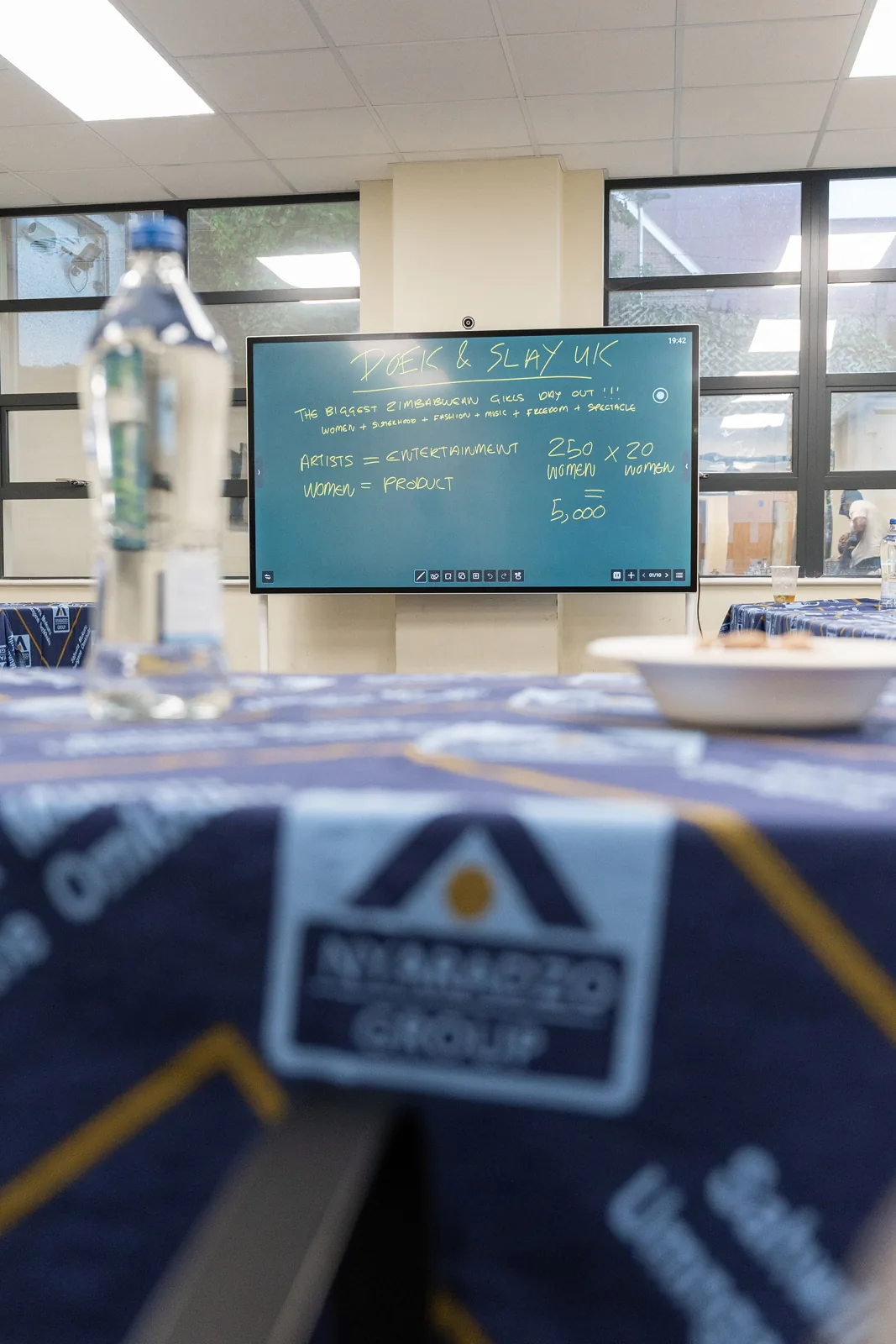
The artists are the entertainment. The women are the product.
The festival is not defined by whoever performs. The product is the woman attending: how she feels, who she comes with, what she wears, who she meets, the pictures she takes and the community she becomes part of.
So the marketing question stops being who is performing, and becomes why this woman needs to be in this room.
The growth question How do we turn 250 connected women into a movement?
Impact
- 250
- Connected women at the starting point
- Ongoing
- Cultural marketing and audience strategy
A defined cultural position, a segmented UK audience and a growth model built on community networks rather than paid reach alone.
I do not only speak about cultural strategy. I build it, then hand teams something they can execute.