The Rise of Rebellious Branding: From Counterculture to Corporate Strategy
Korrine Sky · March 2025 · 15 min read
Today, every brand claims to be disruptive - Nike, Diesel, Supreme, Ray-Ban.
Listen to this essay
Narrated version
Today, every brand claims to be disruptive - Nike, Diesel, Supreme, Ray-Ban.
But when corporations manufacture resistance, does rebellion still hold power? Or is it just another aesthetic, repackaged for profit?
Culture & Commerce is a reader-supported publication. To receive new posts and support my work, consider becoming a free or paid subscriber.
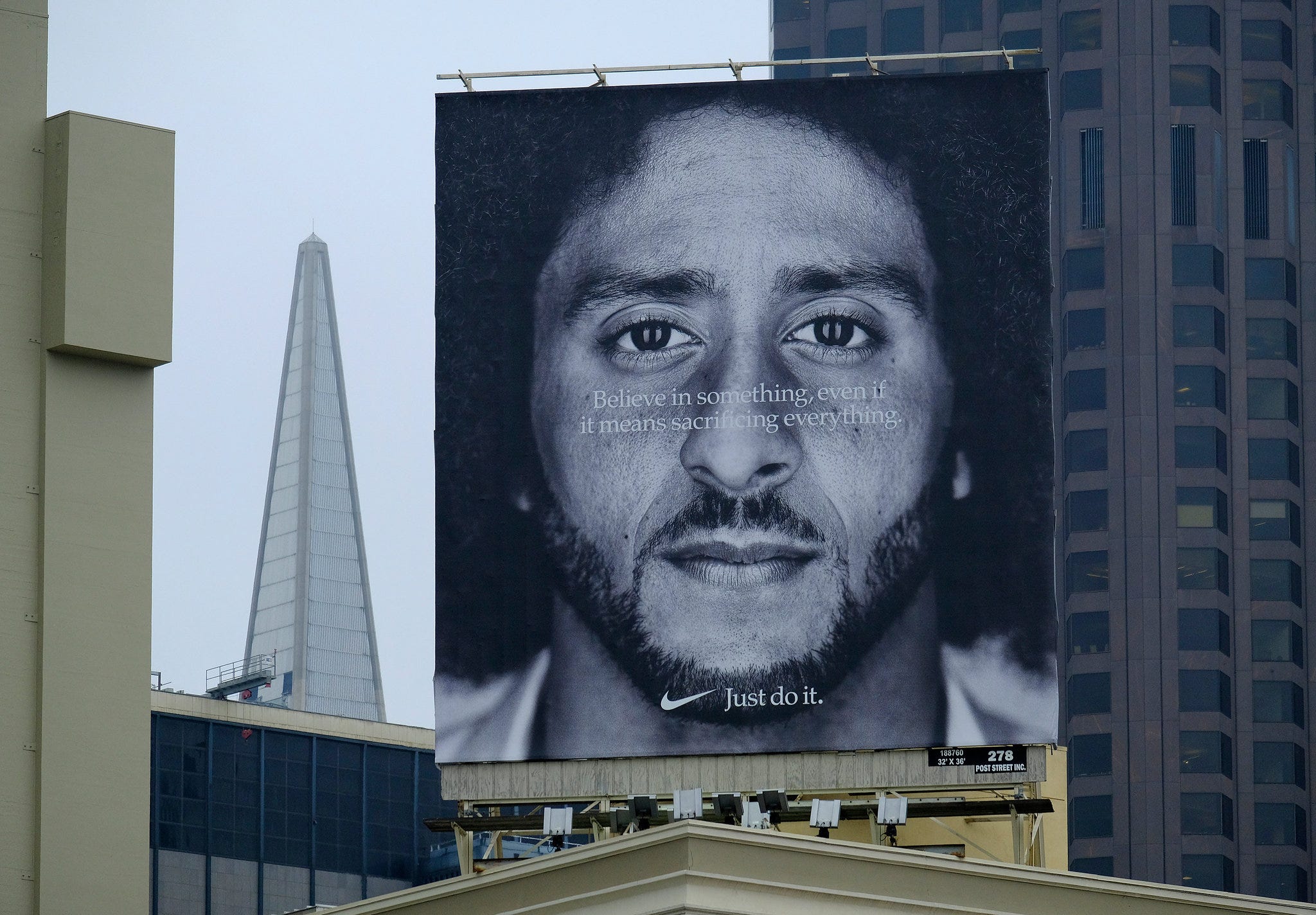
In 2018, Nike launched its controversial "Believe in Something" campaign featuring Colin Kaepernick. The tagline "Even if it means sacrificing everything" was designed to align Nike with rebellion, protest, and the anti-establishment ethos.
Nike’s stock surged by $6 billion following the campaign’s release, proving that rebellion, when packaged correctly, sells.
This raises an important question: When every brand positions itself as disruptive, does rebellion still hold cultural weight? Or has it become just another marketing formula?
The Rise of Rebellious Branding: From Counterculture to Corporate Strategy
Historical Context: The Commercialisation of Rebellion Across Eras
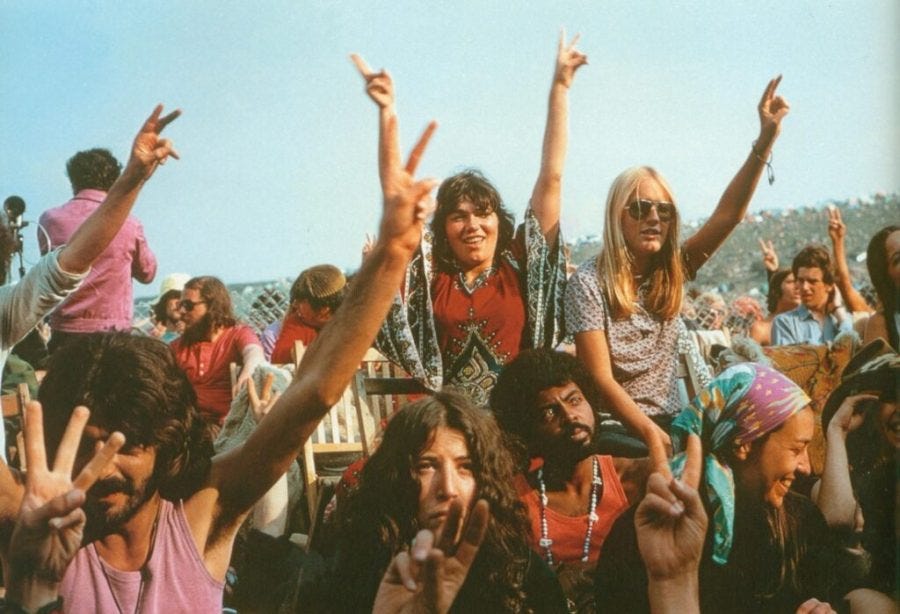
The co-opting of rebellion by corporations isn’t a new phenomenon. Throughout history, brands have exploited countercultural movements for profit while doing little to genuinely support the causes they claim to champion.
- The Bohemian Movement (19th century Europe): Originally an anti-bourgeois artistic and literary movement that rejected materialism, bohemian aesthetics have since been sanitised and repackaged by luxury fashion and interior design brands. What was once a countercultural rejection of wealth has become a high-end lifestyle trend marketed to the elite.
- The Beat Generation (1940s–50s): This movement, characterised by literary rebellion, jazz influence, and rejection of mainstream culture, has been commodified through books, films, and coffeehouse branding that sell the image of the “edgy intellectual” without addressing the movement’s deeper critiques of capitalism and conformity.
- The Hippie Movement (1960s–70s): Born out of anti-war protests, environmentalism, and communal living, hippie culture has been heavily commercialised. The peace-and-love aesthetic (tie-dye clothing, flower crowns, and psychedelic patterns) is used in everything from fast fashion to festival branding, often detached from the movement’s original political and anti-corporate ethos.
- The LGBTQ+ Rights Movement: While brands now market Pride-themed collections every June, many of these corporations have been criticised for performative allyship - failing to support LGBTQ+ rights outside of marketing campaigns and, in some cases, even funding politicians who oppose LGBTQ+ protections.
- The Black Lives Matter Movement: After the global protests of 2020, many brands rushed to align with the movement, posting black squares on Instagram and releasing diversity statements. However, few made structural changes within their own organisations, and some continued profiting from Black culture while underpaying or sidelining Black creators.
The Outlaw Brand Archetype: Rebellion as a Marketing Persona
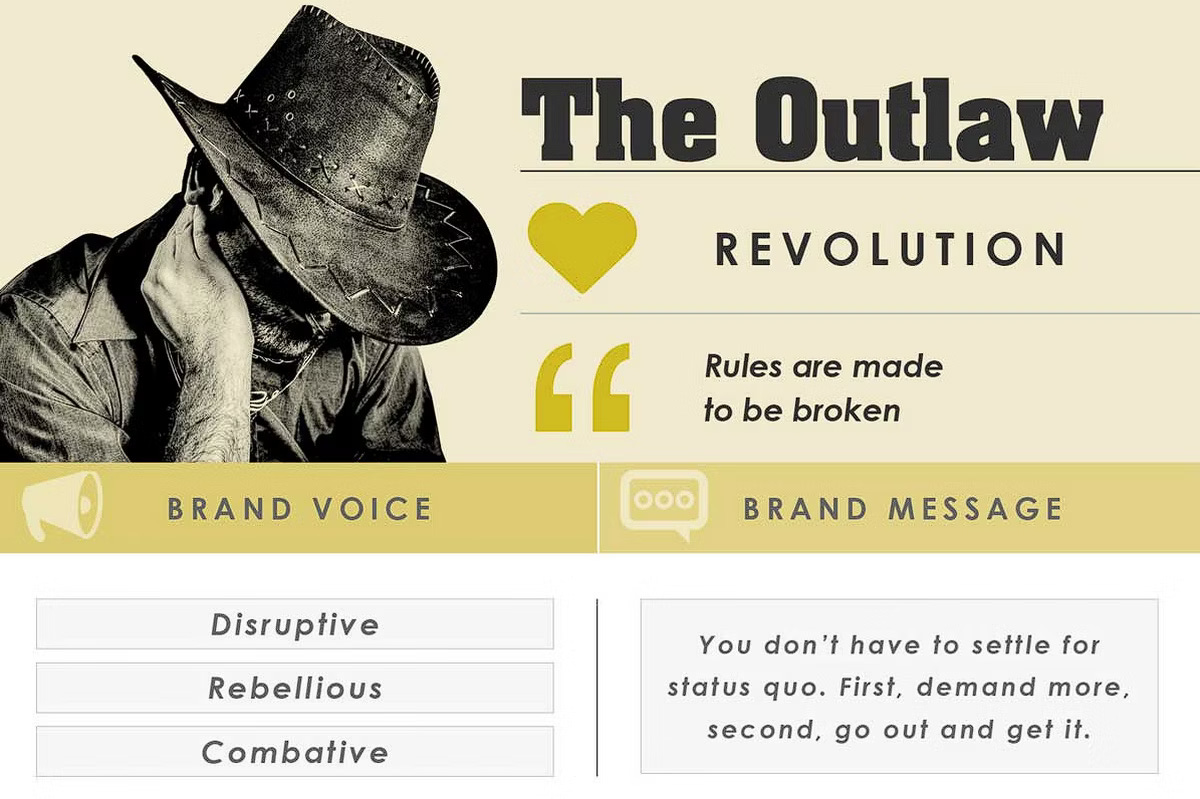
Branding is never accidental. The Outlaw archetype, one of the 12 classic brand archetypes, represents freedom, disruption, and breaking the status quo. Companies use this persona to position themselves as anti-establishment forces while maintaining corporate control.
Characteristics of Outlaw Brands:
- Challenge societal norms and authority.
- Promote self-expression and individuality.
- Embrace controversy to fuel cultural relevance.
Examples:
- Harley-Davidson → A brand built on the image of the rebellious biker.
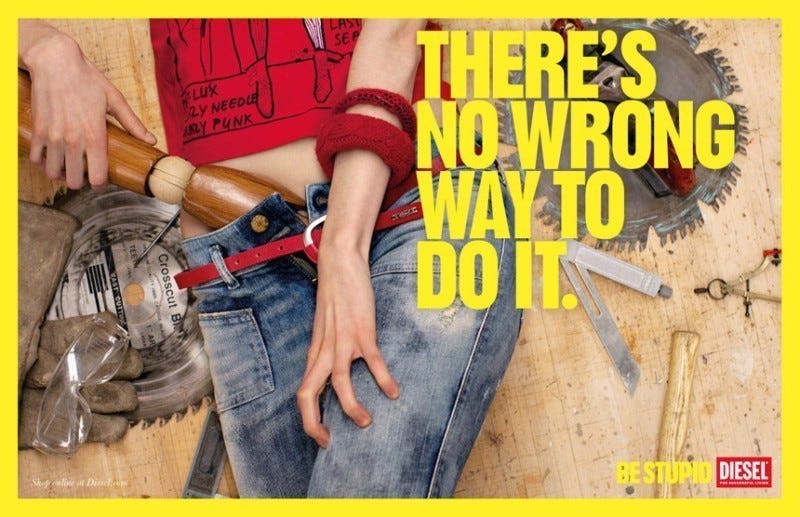
- Diesel → Embraces irreverence in advertising and brand identity.
- MTV (in its early years) → Defined youth rebellion through music and counterculture.
While these brands claim to challenge the system, they ultimately reinforce consumerism.
The question is: Can rebellion still be authentic when it's packaged as a product?
The Shift: When Brands Realised Rebellion Sells
As genuine counterculture movements gained traction, brands saw an opportunity. Companies that once shunned rebellion began to co-opt it for profit.
Examples:
- Diesel’s Be Stupid campaign positioned the brand as anti-establishment, despite being a global fashion empire.
- Supreme transformed from an underground skate brand into a billion-dollar status symbol by selling exclusivity disguised as rebellion.
- Kendrick Lamar’s Super Bowl Performance (2024): His halftime show was a powerful, politically charged statement against racism and inequality in America. Despite its radical themes and critique of the very system that platformed him, the performance took place within the NFL, an institution with a long history of racial controversies. While Lamar’s art made an undeniable impact, the NFL and Apple, as sponsors, ultimately benefited from its record-breaking viewership, showing how even the most subversive messages can be commodified.
- Ray-Ban & A$AP Rocky: In a calculated move, Ray-Ban wiped its entire Instagram account, leaving only one image of A$AP Rocky when announcing him as Creative Director. This carefully staged marketing stunt positioned Rocky as a rebellious cultural figure, reinforcing Ray-Ban’s legacy as a symbol of counterculture. But was this genuine creative leadership, or just another example of commodified rebellion?
The Anti-Hero Marketing Playbook: Why We’re Drawn to Rule-Breakers
The Psychology of Rebellion in Branding

Consumers are drawn to rule-breakers. From Scarface to Steve Jobs, pop culture elevates those who challenge the system. Brands understand this psychology and use it strategically.
Case Studies:
- Johnny Depp & Dior Sauvage — After legal battles, Dior doubled down on him instead of cutting ties. Result? Sauvage became the world’s best-selling cologne.
- YSL & A$AP Rocky — Instead of avoiding his legal troubles, YSL made his courtroom outfits a fashion moment.
- Google Search spikes for “trial loafers” — When corporate suspect Luigi Mangione wore designer shoes to court, searches spiked by 1,400%.
- El Chapo’s Paisley Shirt — Before his capture, Guzmán was photographed in a paisley shirt from Barabas Boutique. Sales skyrocketed.
Brands know that playing with controversy can create cultural currency—when done right.
The Celebrity Creative Director Illusion: Marketing or Genuine Influence?
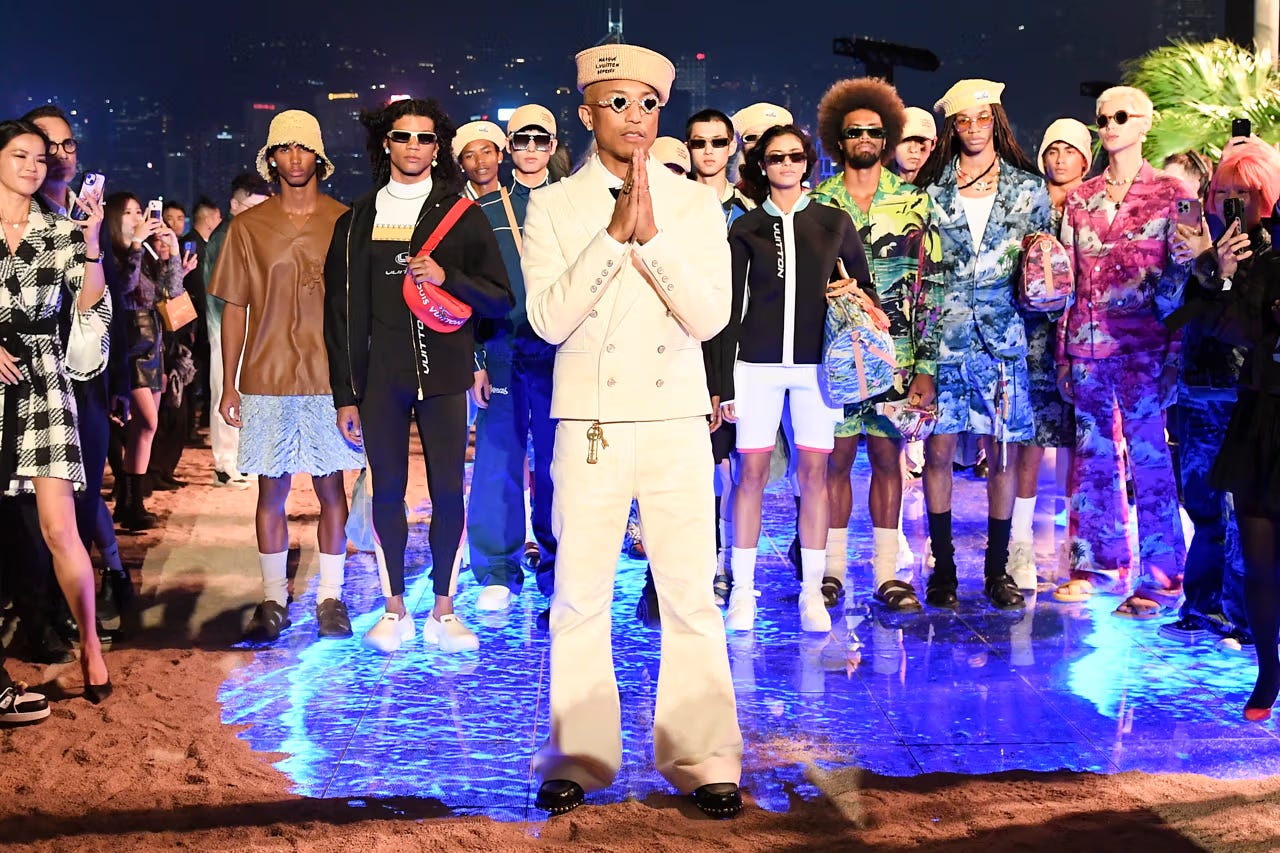
Not all celebrity creative director roles hold the same weight. Some are deeply involved in shaping brand identity, while others are more symbolic, serving as high-profile endorsements rather than actual leadership positions.
The Spectrum of Celebrity Creative Directors:
- Pharrell at Louis Vuitton → Real creative influence, shaping collections and setting design direction.
- Virgil Abloh at Off-White & Louis Vuitton → A designer who built a movement, redefining streetwear’s role in high fashion.
- Kanye West at Adidas (pre-controversy) → Genuine involvement in design and brand vision, reshaping sneaker culture.
- Molly-Mae at PLT → More of a brand ambassador than an actual decision-maker, with little creative authority.
While Ray-Ban’s marketing positioned him as a visionary leading the brand into a new era, there’s little evidence that he is involved in core product design or strategic decisions. Instead, his appointment appears to be another example of brands leveraging celebrity rebellion to sell a curated countercultural image.
Consumer Agency: How Audiences Push Back Against Inauthentic Branding
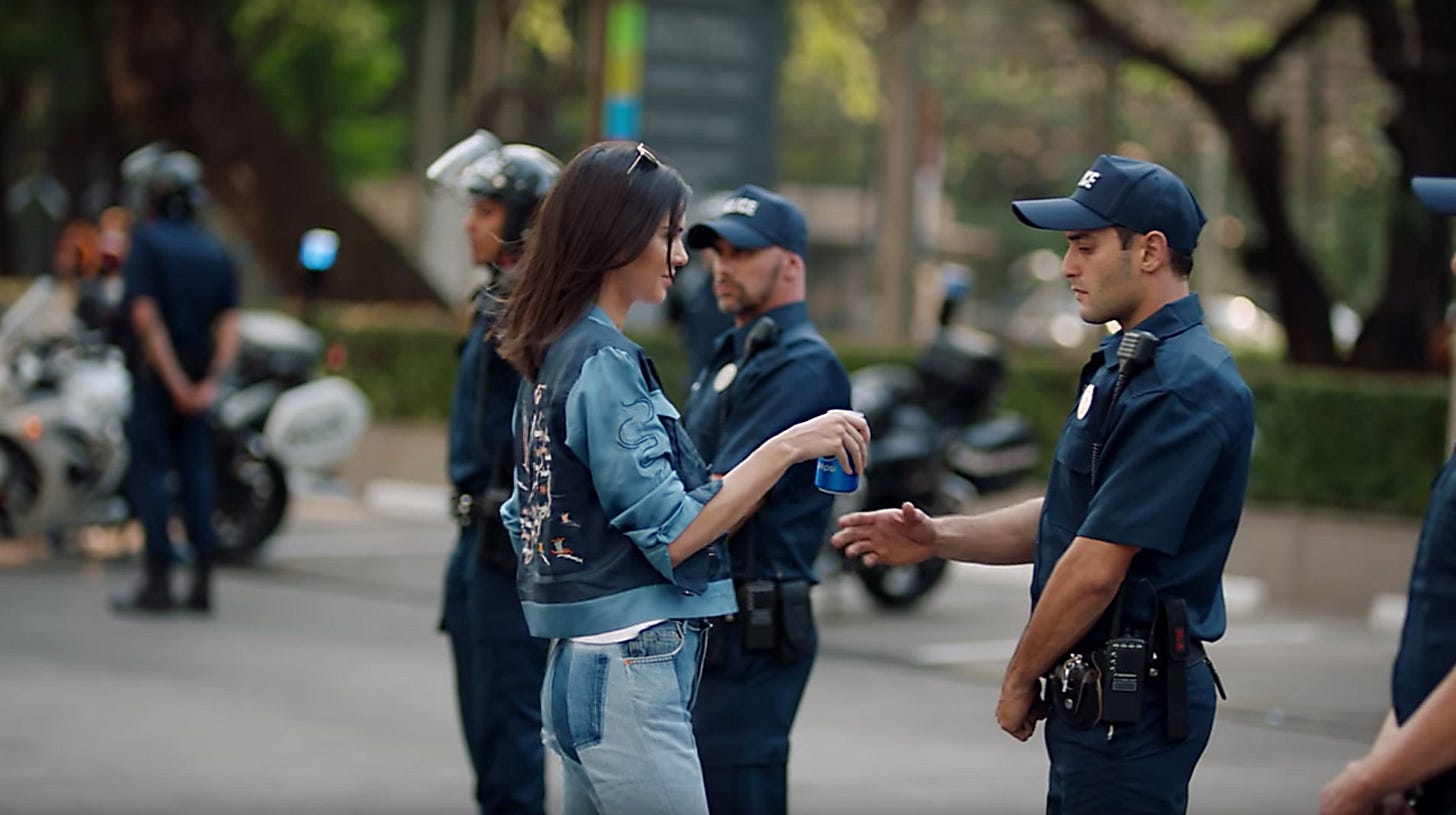
Today’s consumers are hyper-aware of performative branding and call out corporations when their activism feels hollow.
Case Study: When Pepsi released its infamous Kendall Jenner protest ad, where a can of pepsi supposedly bridged the gap between protesters and police, social media backlash forced Pepsi to pull the ad within 24 hours. Similarly, brands that co-opt rebellion without substance face skepticism, making it harder for them to sell rebellion without scrutiny.
Brand Responsibilities: Ethics in Counterculture Marketing
As brands tap into rebellion, they must ask themselves: Do they have ethical obligations when aligning with counterculture and social movements?
- Appropriation vs. Support → Are brands amplifying marginalised voices, or exploiting them for profit?
- Commitment Beyond Marketing → Do brands invest in communities they claim to support, or is it just PR?
- Sustainability of Activism → Are these campaigns part of a long-term vision, or merely capitalising on a trend?
A Deeper Look into Cultural Nuances & Global Perspectives
While Western brands often commercialise rebellion through individualism and anti-establishment narratives, rebellion looks drastically different in various global markets due to cultural, political, and economic constraints. In some regions, counterculture is not just an aesthetic but a direct challenge to state power, censorship, or social norms.
Rebellion in Authoritarian or Highly Censored Markets
In countries where freedom of speech is restricted, brands must carefully navigate rebellion without drawing government backlash. This leads to subversive branding tactics, where defiance is expressed through subtlety rather than overt activism.
- China → Open rebellion is nearly impossible under heavy censorship, so counterculture often appears through fashion, underground art, and internet subcultures. Brands like Li-Ning and AMBUSH adopt futuristic, rebellious aesthetics without making direct political statements. Foreign brands, like Nike, have had to walk a fine line - aligning with youth rebellion while complying with government policies.
- Russia → Open political rebellion is dangerous, so youth defiance often finds expression in fashion, music, and subversive art. Brands like Outlaw Moscow adopt anti-establishment aesthetics while subtly aligning with state-approved narratives—reflecting a paradox where rebellion must be tolerated by the very system it resists in order to survive. This echoes the career of Dmitri Shostakovich, whose music carried sharp critiques of Soviet repression but was carefully coded to avoid outright condemnation, allowing him to operate within an authoritarian structure while maintaining an undercurrent of defiance. Like Shostakovich’s compositions, rebellious branding in Russia must balance dissent with acceptability, ensuring it doesn’t cross a line that provokes direct state retaliation.
Rebellion in the Global South vs. Western Markets
In many parts of the Global South, rebellion is tied to social justice, economic inequality, and political activism rather than simply aesthetic defiance.
- Nigeria & the #EndSARS Movement → Brands faced pressure to align with youth activism against police brutality, but Nigerian consumers are highly critical of inauthentic corporate engagement. Companies that attempted to profit from the movement without actual contributions were swiftly called out.
- South Africa → Brands like Rich Mnisi integrate protest culture into high fashion, using design to tell stories of apartheid, economic struggles, and Black empowerment—creating a model for authentic, localised rebellion branding.
- Latin America → Rebellion is often rooted in protest art, music, and indigenous activism. Brands like Selva Beat (Brazil) use eco-activism as a branding tool, but larger Western corporations frequently co-opt these movements without acknowledging the region’s deep political struggles.
Commodifying Spiritual & Cultural Rebellion
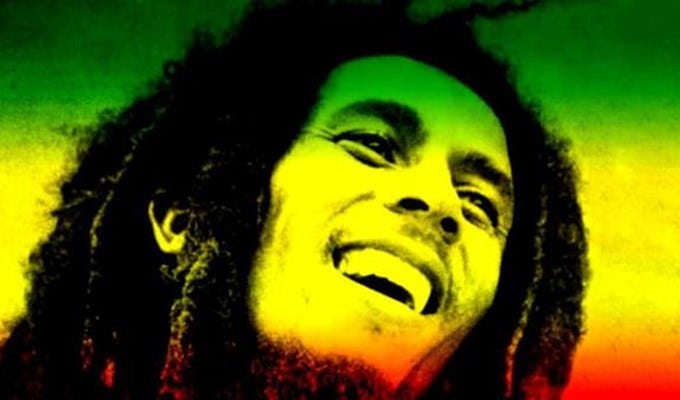
Certain cultural or spiritual movements that emerged as resistance have been commercialised beyond recognition:
- Rastafari Culture (Jamaica) → Originating as an anti-colonial, Pan-African movement, Rastafarian symbols have been commercialized by luxury fashion houses and fast fashion brands without honoring their revolutionary ethos. Bob Marley’s image, once a symbol of defiance, is now mass-marketed in corporate campaigns.
- Harajuku (Japan) → Originally a grassroots youth movement resisting social conformity, Harajuku fashion has been absorbed into global fast fashion, losing much of its initial meaning.
- Yoga & Buddhism → Once deeply spiritual practices, yoga and Buddhist principles have been commodified into wellness trends, often stripped of their philosophical depth. Luxury retreats, expensive mindfulness apps, and designer yoga apparel have transformed these traditions into profitable industries while overlooking their roots in anti-materialism and self-discipline.
- Pilates & The Wellness Industry → Originally a practice focused on rehabilitation and mindful movement, Pilates has been repackaged as a high-end fitness trend, often excluding its accessibility roots. Similarly, broader wellness movements - rooted in holistic healing - have been turned into premium, status-driven industries, where self-care is marketed as an expensive luxury rather than an inclusive, community-driven practice.
Can Rebellion Branding Ever Be Authentic Across Cultures?
In non-Western markets, rebellion branding is more complex than in the U.S. or Europe. The tension between maintaining authenticity vs. corporate survival is greater, as brands must carefully balance defiance, state control, and cultural expectations. While some brands successfully integrate resistance into their identity, others turn rebellion into an empty marketing tool.
How Consumers Can Evaluate Brand Authenticity
To navigate the landscape of rebellious branding, consumers can:
- Research Brand History → Does the brand have a consistent record of supporting the cause they are aligning with?
- Look for Action Beyond Ads → Are they investing in communities, funding initiatives, or making meaningful structural changes?
- Follow the Money → Are they profiting from rebellion while engaging in contradictory practices?
- Engage in Critical Conversations → Hold brands accountable on social media and through direct consumer choices.
Social Media: Enabling and Controlling Counterculture
Social media platforms like TikTok, Instagram, and Twitter have become double-edged swords in the evolution of rebellion. On one hand, they provide grassroots movements with a global stage, amplifying voices that might otherwise be silenced. Hashtags, viral content, and decentralised communities have allowed counterculture to thrive in ways never before possible.
However, these same platforms also commodify rebellion. Algorithms prioritise engagement, often pushing performative activism and brand-sponsored 'edgy' content over genuine grassroots organising. Once subversive trends can be monetised almost instantly, turning acts of resistance into aesthetic choices for mass consumption.
For example, TikTok’s rapid trend cycle has turned underground fashion movements like 'Gorpcore' or 'DIY Streetwear' into mainstream aesthetics, stripping them of their original rebellious intent. Instagram’s curated activism, from branded Pride posts to neatly packaged climate activism, allows brands to appear progressive while continuing exploitative practices behind the scenes.
The Role of Influencer Culture in Shaping Rebellion
While celebrity creative directors receive significant attention, micro-influencers and grassroots digital communities are now driving countercultural trends before brands catch on. Many of today’s most radical fashion, music, and political movements originate from online subcultures rather than corporate campaigns.
- The Rise of “Cores” → TikTok and Instagram have transformed underground aesthetics into easily consumable 'cores'—from Gorpcore to Weirdcore and Blocore. What starts as authentic grassroots expression often gets commodified at record speed.
- Influencers as Cultural Gatekeepers → Instead of brands setting trends, micro-influencers—especially those outside of mainstream celebrity culture—are dictating what is considered rebellious or alternative.
- Example: The De-Branding Movement → Some influencers are actively rejecting logos and mass-produced fashion in favour of DIY aesthetics, slow fashion, and unbranded clothing, marking a new form of digital-age rebellion against corporate influence.
The irony is that while these influencer-led movements challenge traditional branding, they too can be commercialised. As soon as an aesthetic gains traction, fast fashion brands, major corporations, and algorithm-driven content begin repackaging it for mass consumption.
The Role of AI in Synthetic Rebellion
AI is set to transform how brands manufacture rebellion. By analysing massive datasets, AI-driven marketing can hyper-personalise rebellious messaging, making corporate rebellion feel more authentic. But this raises key concerns:
- Synthetic Rebellion → AI-driven branding can predict, personalise, and replicate counterculture aesthetics at scale - meaning "rebellion" could become algorithmically optimised rather than genuine.
- AI-Generated Activism → The rise of synthetic influencers (e.g., Lil Miquela) and deepfake activist figures could create entirely artificial rebellions designed for brand marketing, making it harder for consumers to distinguish real movements from manufactured dissent.
- Surveillance & Rebellion → Brands using AI-driven sentiment analysis may target rebellious consumers without truly supporting their causes, shaping narratives to maintain power.
- Decentralised Digital Rebellion → Platforms like Mastodon and Bluesky offer alternatives to corporate-controlled social media, allowing grassroots counterculture movements to flourish outside of mainstream branding influence.
A Counterpoint: Can Corporate Rebellion Still Have Impact?
Of course, some argue that corporate rebellion, even when profit-driven can still lead to real change. Nike’s Kaepernick campaign, while strategic, undeniably pushed conversations about racial injustice into mainstream discourse.
However, the question remains: When brands profit from rebellion, does the cause itself get diluted in the process?
The Future of Brand Strategy: Can Authenticity Survive?
As consumers grow more skeptical of performative branding, brands must rethink how they engage with cultural movements while maintaining authenticity. Simply aligning with rebellion is no longer enough - brands must prove commitment through action, transparency, and sustained investment.
What Comes Next for Branding?
- Longevity Over Trend-Hopping: Consumers see through short-lived, reactionary campaigns. Brands that truly invest in causes, beyond a single ad or collection will maintain trust.
- Cultural Ownership & Equity: Instead of appropriating rebellion, brands can build direct relationships with the communities they claim to support. Hiring from within movements and funding grassroots initiatives fosters legitimacy.
- Decentralised Branding & Community-Led Strategy: Brands like Corteiz and Telfar thrive by rejecting traditional marketing models. By fostering scarcity, direct engagement, and anti-corporate sentiment, they have built cult followings without diluting their rebellious identities.
- Web3 & Consumer-Owned Branding: Blockchain-based governance models could redefine brand ownership, allowing consumers to have a direct stake in the companies they support. Decentralized Autonomous Organizations (DAOs) could enable consumer-led branding decisions, ensuring true alignment with movement values.
Who’s Doing It Right?
- Telfar: Instead of traditional exclusivity, Telfar’s “Bag Security Program” ensures accessibility while preventing reseller culture. The brand remains deeply tied to its original ethos of inclusivity.
- Corteiz: By refusing to be stocked in mainstream retailers and controlling product drops, Corteiz sustains its underground appeal while growing its cultural influence.
- Patagonia: With its commitment to environmental activism and donating profits to climate initiatives, Patagonia shows how brands can back their messaging with real action.
As rebellion continues to be a marketing tool, the brands that endure will be those that move beyond aesthetics and into sustained, meaningful impact.
What Happens When Rebellion Becomes a Saturated Market?
Every brand is now "disruptive." When every company claims to challenge the status quo, rebellion itself risks becoming just another corporate strategy—losing its power to provoke or inspire.
The Next Wave of Counterculture: What Hasn’t Been Commercialised Yet?
As rebellion fatigue sets in, the next phase of counterculture may be something brands haven’t yet figured out how to commercialise.
- Radical Digital Anonymity → With increasing surveillance and data commodification, online rebellion may shift toward privacy, encrypted spaces, and decentralised networks that resist corporate control.Example: Platforms like Signal, which prioritise encrypted messaging and decentralised communication, represent digital rebellion against corporate surveillance.
- Offline Movements & De-Branding → A rejection of hyper-commercialised aesthetics in favour of DIY, unbranded, and hyper-local communities that corporations struggle to monetise.
- Example: Mutual aid networks, independent bookshops like The Silver Room (Chicago), and community-run spaces that prioritise grassroots support over profit.
- Example: Slow fashion brands like Veja, which focus on ethical production without relying on hype or artificial scarcity.
AI-Free Zones & Human-Centered Creativity → As digital culture becomes increasingly algorithm-driven, a counter-movement is emerging, one that prioritises authenticity, craftsmanship, and the human touch over mass-produced, AI-generated content.
- The Resurgence of Analog Art & Photography → Many artists are rejecting digital perfection in favour of imperfect, tactile mediums. Photographer Tyler Mitchell, for example, exclusively shoots on film, embracing the depth, texture, and unpredictability of analog imagery as a reaction to the over-processed digital aesthetic.
- The DIY Print Renaissance → Independent creators are turning back to zines, letterpress printing, and hand-bound books, resisting algorithmic content curation in favour of tangible, slow-made storytelling. Even newspaper-style announcements, once considered obsolete, are making a comeback as a reaction to the ephemeral nature of social media posts.
- The Rise of Crafting & Slow Creativity → A growing number of people are rejecting mass production in favour of knitting, crochet, pottery, and painting, celebrating patience, skill, and individuality over algorithm-driven trends. Platforms like TikTok have fuelled this movement, turning traditional crafts into symbols of resistance against disposable culture.
- The Anti-Algorithm Movement → Musicians and writers are intentionally avoiding AI-generated recommendations and digital platforms, choosing instead to distribute their work via offline meetups, word-of-mouth, and limited-run physical formats - reminiscent of underground punk scenes and samizdat literature.
As corporations race to automate and optimise creativity, the most radical artistic rebellion may simply be to remain human
Final Thought:
True rebellion may lie in a return to grassroots movements, independent creators, and digital culture shaping authenticity in new ways.
Will corporations evolve, or can rebellion and commerce co-exist?
Share
Culture & Commerce is a reader-supported publication. To receive new posts and support my work, consider becoming a free or paid subscriber.
Culture & Commerce
Get the next essay first.
Culture, brand power and influence, read straight from my desk. No spam, unsubscribe anytime.
Prefer Substack? Follow Culture & Commerce there.
Originally published in Culture & Commerce. Read the original post.