I Thought You Guys Said Ginger People Were Black?
Ed Sheeran, Macklemore, Gaza and what happens when being the good guy is no longer enough.
Listen to this essay
Narrated version
A ginger joke and an application to the cookout
There was a running joke on the internet for years that ginger people were basically Black. You know the kind of unserious internet anthropology I mean. Gingers know struggle. They get roasted. They have no souls. Welcome to the cookout.
And if there was ever going to be an honorary member, Ed Sheeran had a decent application. He came up through SBTV. Jamal Edwards championed him. He moved comfortably through grime and Black British music, later worked with African artists including Fuse ODG and Mugeez, spent time making music in Ghana and got a Ghana flag tattoo for his trouble. Ed wasn't standing outside these cultures looking in. He was invited in, collaborated with, celebrated and embraced.
So watching the Macklemore situation unfold, I found myself thinking something incredibly unserious about something incredibly serious: wait, I thought you guys said ginger people were Black? Because apparently we invited everyone to the cookout and forgot to mention that eventually somebody at the cookout might talk about oppression. That's the part people always seem surprised by.
Everyone loves culture until the culture comes with a conscience.
And right now, while we're discussing tour dates, promoters, reputational damage and celebrity statements, Palestinians in Gaza are living through something the UN's Independent International Commission of Inquiry has concluded amounts to genocide, a conclusion Amnesty International has reached as well and Israel firmly rejects. Whatever readers land on with that terminology, the underlying reality isn't theoretical. People have been killed, starved and repeatedly displaced. Children have died. Homes, hospitals and entire neighbourhoods have been destroyed.
That has to be where this conversation begins. Not with Ed Sheeran. Not with Macklemore. Not with Robert Kraft. With Palestinians.
Because one of the strangest things about celebrity discourse is how quickly actual people disappear from stories that supposedly exist because of their suffering. Within days, the conversation became about whether Ed had been put in an impossible position, whether Macklemore had gone too far, whether stadium owners felt comfortable, and whether the tour could continue. The people in Gaza became the backdrop.
Macklemore seemed to notice this happening in real time. After being removed from the tour, he made the point that he, Ed and Pink weren't the victims here. They have careers, money, homes and audiences to return to. Palestinians are the people living the catastrophe. That was probably the clearest thing anybody involved said.
Ed's statement bothered me more than the decision
I can understand Ed being placed in a genuinely difficult commercial position. Messina Touring Group said venues had indicated they wouldn't host the concerts with Macklemore still on the bill. Ed later said the removal was the promoter's call, not his, that he'd tried to mediate, and that cancelling shows would hurt fans, musicians, crew and everyone else whose income depended on the tour continuing.
I work in entertainment. I know a stadium tour isn't one rich man walking onto a stage with a guitar. There are technicians, drivers, local crew, security, caterers, hotels, production companies and hundreds of people whose livelihood is tied to the machine moving from one city to the next. I understand why somebody might conclude that collapsing the whole operation isn't the answer.
What I found harder to understand was the statement that came after. Ed described the suffering as a tragedy, referenced pain “on both sides,” talked about keeping conversations open, and said he wanted his platform to remain a place of safety and diplomacy. He said not speaking publicly didn't mean he lacked private views or didn't care.
It was careful, almost impressively so, careful enough that by the end of it I genuinely wasn't sure what he believed. And that's where it lost me. Who was it actually for? Palestinians? Macklemore? The venues? His own audience?
It read like a statement written for everybody, and therefore, somehow, for nobody.
We all know this kind of person in real life. The good guy. The peacekeeper. Somebody genuinely kind, who hates conflict and prides themselves on understanding everyone, who wants the whole group chat to be okay. Those are lovely qualities for most of life. Then something happens where keeping everybody happy simply isn't possible, and that's the moment being nice and having principles stop being the same thing.
The good-guy trap doesn't require cowardice
The interesting thing about this trap is that it doesn't require cowardice. It often starts with real empathy. You can genuinely understand several sides of a disagreement and still arrive at a point where moral clarity is required. The problem is when being perceived as fair matters more than saying what you actually believe.
If your identity depends on nobody thinking badly of you, you'll eventually hit a situation where protecting that image requires someone else to absorb the discomfort instead. Sometimes “I don't want conflict” just means the person being harmed is expected to carry it quietly so everyone else stays comfortable, and that isn't neutrality so much as a redistribution of discomfort, one that rarely lands equally.
This is also why “Ed seems like a nice person” doesn't do much for me as either a defence or a criticism. He probably is nice.
Most systems that reproduce injustice are full of perfectly pleasant people, which is exactly what makes them hard to confront.
Nobody has to wake up intending to be evil. The venue protects its interests, the promoter protects the tour, the artist protects the crew, the sponsor protects the brand, and everybody points elsewhere and goes home believing they behaved reasonably. Eventually something terrible happens without anybody having to think of themselves as the villain.
Stop calling human rights “politics”
Another thing bothering me is the constant description of Macklemore as having “brought politics into the show.” What exactly counts as politics here? A debate about corporation tax? He talked about Palestinians being killed, displaced and starved.
There are legitimate disagreements worth taking seriously: about the language used to describe what's happening, about state responsibility, and about where criticism of Israeli policy ends and antisemitism begins. Robert Kraft has said he believes Macklemore used rhetoric and imagery harmful to Jewish people; Macklemore has argued that criticism of the Israeli state shouldn't be conflated with hostility toward Jewish people. Those disagreements deserve real scrutiny.
But calling the whole thing “politics” does something else. It creates distance. Politics is what respectable people disagree about over dinner.
Human suffering asks something more uncomfortable of you, which might be exactly why the label gets reached for so often.
Racism becomes political, immigration becomes political, Palestinian rights become political, police violence becomes political, workers asking for fair pay become political, and somehow the commercial decision to pull somebody from a tour is simply business. One side gets treated as ideology. Money gets to pretend it's neutral.
You cannot invite everyone to the cookout and then be shocked by the conversation
This is where Ed's relationship to Black British and African culture matters to me, not because working with Fuse ODG means he owes every Black person political loyalty for life. That would be absurd. The bigger issue is how Western entertainment relates to marginalised cultures more broadly.
The industry loves what struggle produces: the music, the language, the clothes, the humour, the credibility. Grime. Hip-hop. Reggae. Dancehall. Afrobeats. Amapiano. All of it travels beautifully once it's commercially legible. What's harder to remember is that none of it was made in a lab. It comes from people, and those people carry histories of migration, colonialism, racism, resistance and exclusion.
Global pop has become extremely good at separating the profitable parts from the uncomfortable ones.
Reggae becomes a vibe while Rastafari disappears. Hip-hop becomes an advertising language while its protest tradition becomes inconvenient. Fela becomes an icon while the radicalism that made him Fela gets reduced to trivia. Malcolm X ends up on the moodboards of people who'd panic if somebody who actually behaved like Malcolm X walked into the boardroom. I've written about this before: capitalism is remarkably good at stripping rebellion of its threat and selling it back as aesthetic. This story is what happens when somebody forgets the rebellion was only ever supposed to stay inside the merchandise.
The industry doesn't hate activism. It hates losing control of it.
Young artists get warned constantly about becoming a “brand risk”: don't talk about controversial subjects, don't be too angry, don't say anything that might spook advertisers. I work in cultural strategy and I've heard versions of this advice more times than I can count, and I no longer believe the premise.
The industry loves activism when it's useful. Brands love Pride Month, Black History Month, breaking barriers, purpose, “using your voice.” They love conviction because conviction makes people culturally interesting. What becomes dangerous is when the conviction stops behaving.
The real boundary was never political versus apolitical. It's managed versus unmanaged.
An artist can be as rebellious as they like, provided the rebellion can still sit next to the sponsor logo. That's why I don't really believe in “brand safety” as a moral category anymore. It's mostly leverage. I wrote about this during the Kanye/Wireless controversy: smaller creators get trained into near-perfect behaviour on the promise that one wrong move makes them radioactive, while bigger artists get an entirely different rulebook because bigger artists make more money. Run the numbers, then discover your principles. The rules were never equal because the leverage was never equal, which is why smaller artists get told: don't say this, don't post that, don't mention Gaza, don't talk about race too aggressively. Be Black, but digestible. Be African, but internationally palatable. Be queer, but advertiser-friendly. Have values, absolutely, preferably values that fit inside a campaign deck.
There's another reason I think Ed's statement landed badly. The old celebrity-management logic says the safest response to controversy is to minimise specificity. I'm not convinced that still works the way it used to. Audiences are watching events unfold on their phones in something close to real time, and then a celebrity arrives with language that sounds like it survived three lawyers and a stakeholder meeting. People aren't stupid. They can tell the difference between someone trying to say something difficult and someone trying hard to avoid saying anything that might cost them.
Standing for something has a cost. So does standing for nothing.
Then the remaining support acts started withdrawing. Finneas left. Aaron Rowe left. Beoga left. Lukas Graham left. The significance isn't that any of them became morally superior overnight. It's that their decisions exposed something real: there was a choice, and a costly one. Touring with Ed Sheeran is a major opportunity, and walking away from it isn't nothing. This is usually where conviction becomes visible. When it costs something.
Macklemore then did something that made the story even more revealing. He said he'd donate the roughly $1 million he expected to earn from the tour to organisations supporting Palestinians and publicly challenged Robert Kraft to match it. Kraft later pledged $2 million in humanitarian donations after Sheeran himself encouraged him to contribute.
That sequence changes the shape of the story. What started as a dispute about speech and access turned directly into a conversation about money. Macklemore lost the commercial opportunity and redirected its value toward the people at the centre of his protest. The fee became part of the political language, which cuts straight through the mythology of brand risk.
Standing for something has a cost. Standing for nothing has one too.
Brands tend to understand the first far better than the second. Much of the entertainment industry still behaves as though audiences primarily want stars who offend nobody. But a lot of audiences, especially younger ones, have grown suspicious of people who appear to stand for nothing, having come up inside a media environment where every brand claims values and every celebrity calls themselves authentic. The old rule was that having opinions made you risky. The emerging one may be that obvious fence-sitting is a risk of its own, not because audiences demand perfection, but because they demand coherence.
What I left thinking
There's a danger in writing an essay like this. Culture and commerce can make almost anything intellectually interesting: ownership, stadium economics, cultural appropriation, philanthrocapitalism, corporate communications, until the whole situation turns into a fascinating slide deck. I don't want to do that here.
The facts about what's happening in Gaza aren't seriously in dispute, whatever disagreements remain about the legal term for it. Parents have buried children. Families have been displaced repeatedly. People are trying to survive another day. And somehow, within days, that reality had been reframed into a conversation about whether Ed Sheeran had been put in an awkward position.
Black people have been having versions of this conversation forever. Who gets invited into the culture. Who gets the collaborations, the language, the credibility, the proximity. Who gets to enter spaces other people had to fight to build. And what that relationship actually means once things get uncomfortable.
I don't think enjoying Black culture creates an obligation to agree with every Black person, and I don't think collaborating with Africans creates a lifetime ideological contract. The question is simpler than that: was there ever a relationship, or just consumption? Because communities aren't playlists. You can't keep selecting the parts you enjoy indefinitely without eventually meeting the people who made them, and people come with history, pain, memory and demands. Sometimes they'll ask something of you. Sometimes what they ask will cost you.
I thought you guys said ginger people were Black? Obviously they're not. That was always the joke. But maybe the internet accidentally found the right way into this. Pop culture has spent two decades congratulating itself for becoming more multicultural and interconnected, and that's largely a good thing. Come in, eat, dance, collaborate, make the Afrobeats record, go to Ghana, learn something. All of that is real and worth having.
But culture isn't an all-inclusive resort. Eventually the music stops and somebody tells you something hurts, and “I love everyone” stops being a sufficient answer. Because sometimes being a good person isn't about making sure everybody in the room still likes you.
Sometimes it's about noticing that the people experiencing the greatest harm are barely in the room at all.
And asking why everybody else has found it so easy to keep talking.
Culture & Commerce
If this is how you think about culture, you'll want the letter.
One letter. Culture, audience and commercial strategy. No pitch attached to this one, just the newsletter.
Sources
- 01UN Independent International Commission of Inquiry finds Israel has committed genocide in Gaza (United Nations)
- 02Macklemore dropped from Ed Sheeran tour after 'free Palestine' speech (BBC News, 14 September 2026)
- 03Messina Touring Group statement and the venues' position (Variety, 14 September 2026)
- 04Robert Kraft on barring Macklemore from Gillette Stadium (Al Jazeera, 14 September 2026)
- 05Ed Sheeran's statement, and support acts and band withdrawing (Reuters via Al-Monitor, 17 September 2026)
- 06Macklemore's $1m pledge to six Palestinian aid organisations (NBC News, 16 September 2026)
- 07Kraft says Sheeran asked him to match a $2m donation (BBC News, 17 September 2026)
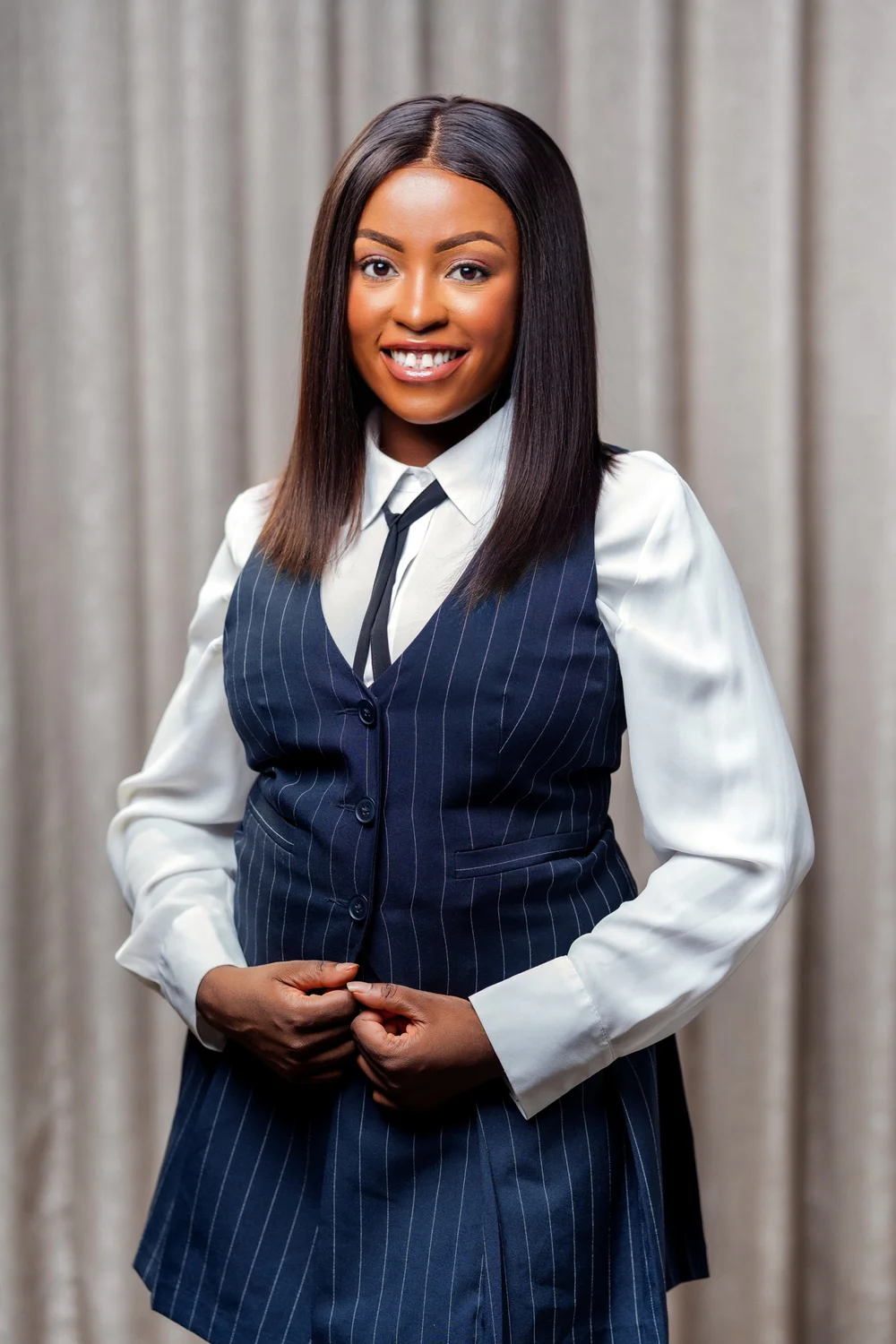
About the author
Korrine Sky
Cultural strategist, entertainment executive and writer examining the relationship between culture, audience, identity and commercial strategy.