The Burden of Black Wealth: Visibility, Power, and the Price of Success
Korrine Sky · March 2025 · 17 min read
Black success in luxury spaces both challenges and upholds existing hierarchies. While it disrupts racialised barriers, it does not inherently dismantle them.
Listen to this essay
Narrated version
Black success in luxury spaces both challenges and upholds existing hierarchies. While it disrupts racialised barriers, it does not inherently dismantle them.
Culture & Commerce is a reader-supported publication. To receive new posts and support my work, consider becoming a free or paid subscriber.
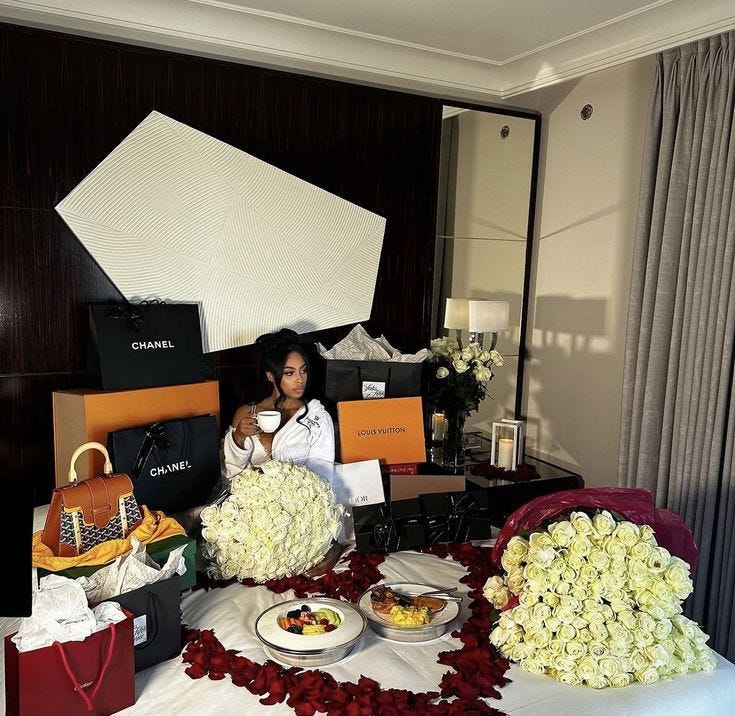
Black women like Beyonce, Meghan the Dutchess of Sussex, Patricia Bright and Jackie Aina unsettle society precisely because their unapologetic embrace of wealth, luxury, and influence challenges deeply ingrained beliefs about who deserves success and how that success should be expressed.
Their visibility in elite spaces provokes unease, not just because they occupy them, but because they do so without apology, without assimilation, and without centering struggle.
Yet, their success is not simply met with admiration; it is scrutinised, questioned, and often weaponised against them. The tension surrounding their visibility is deeply tied to Black exceptionalism, the notion that Black individuals must achieve extraordinary feats merely to be considered worthy of recognition. As Frantz Fanon argues in Black Skin, White Masks, Black individuals navigating white-dominated spaces often find that their value is contingent upon proximity to whiteness, whether through exceptional achievement, assimilation, or the performance of palatable success.
This demand for validation through excellence creates an impossible standard: Black women must be exceptional to be accepted, yet even when they succeed, they are met with suspicion, resentment, or demands for humility.
Their participation in elite spaces does not shield them from hyper-surveillance; rather, it amplifies the scrutiny they face. They are expected to justify their presence through activism, relatability, or humility in ways that white counterparts are not.
This paradox raises a crucial question: Does their entry into elite spaces signal progress, or does it merely uphold the hierarchies that have long marginalised them?
While individual success stories challenge the notion that Blackness is synonymous with struggle, they do not necessarily dismantle the systems that have historically excluded Black communities from wealth, luxury, and influence.
By interrogating Black exceptionalism, Black capitalism, and the rise of Black Girl Luxury, this analysis critically examines whether success within existing structures truly liberates or whether it simply grants a select few permission to participate in the very systems that have long been designed to exclude.
Black Exceptionalism & The Myth of Black Excellence: The Impossible Standards of Success
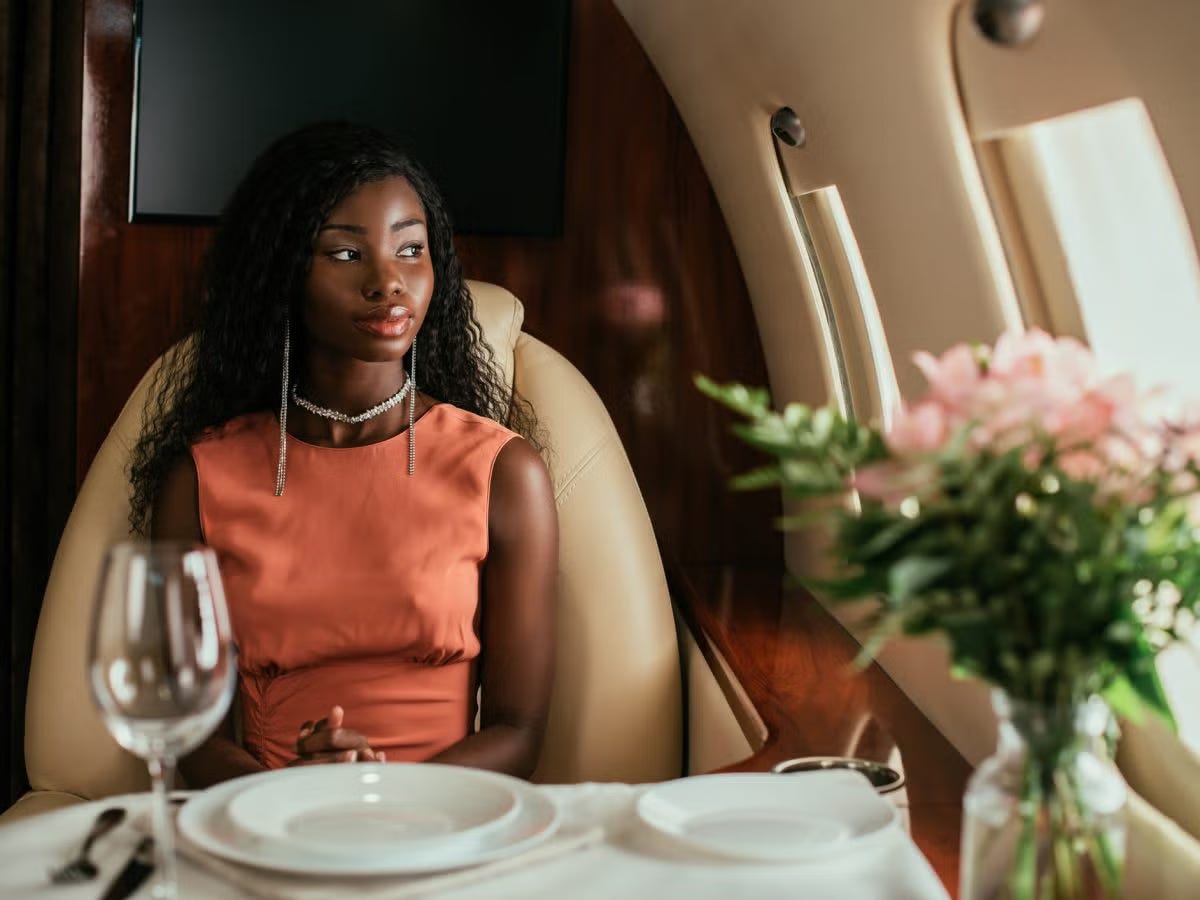
At the heart of society’s discomfort with successful Black women lies Black exceptionalism the idea that Black individuals must achieve extraordinary feats simply to be considered worthy of dignity, respect, or even visibility. Unlike their white counterparts, who can thrive in mediocrity or ordinariness, Black individuals are expected to overperform just to be accepted.
This standard reinforces a false meritocracy; the illusion that individual success is proof that systemic barriers no longer exist. Yet, as bell hooks argues in Where We Stand: Class Matters, class complicates racial identity, particularly in how Black success is perceived. While cultural tredns like Black Girl Luxury celebrate visible affluence, they often remain trapped within capitalist structures that do not challenge systemic exclusion but rather allow a select few to participate within it.
Similarly, Angela Davis critiques the limitations of Black capitalism, emphasising that individual Black wealth does not equate to racial progress. While high-profile Black figures may challenge stereotypes, their success does not dismantle the broader economic structures that maintain racial inequality. Instead, Black exceptionalism rewards only the most extraordinary cases, suggesting that racial barriers can be overcome by personal effort alone, while ignoring the vast majority who remain excluded from these spaces.
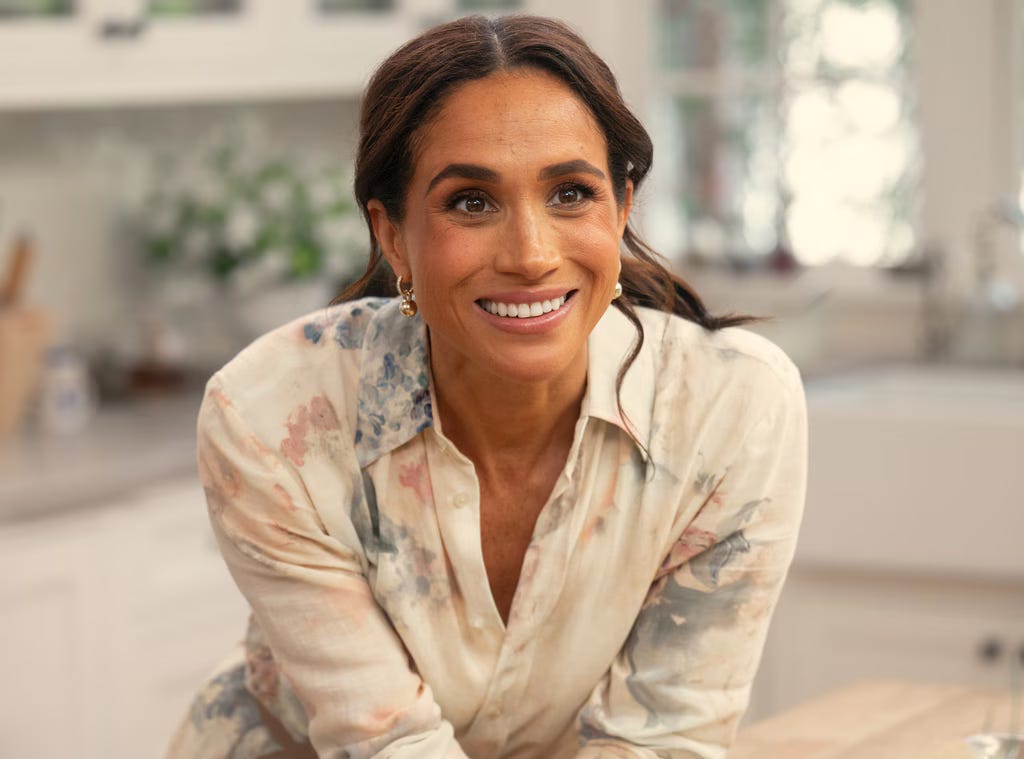
Nowhere is this contradiction clearer than in the relentless scrutiny faced by successful Black women. Meghan Markle, for example, has been vilified not for scandal or wrongdoing, but simply for existing as a biracial woman within the British royal family. When she spoke about the racism she endured, she was dismissed as a victim playing the race card. Yet, when she attempted to redefine herself beyond struggle in With Love, Meghan, she was criticised for being “boring” and “out of touch.”
Her choice to showcase leisure, homemaking, and privilege; things white women in elite spaces do without scrutiny, was met with backlash because she failed to perform exceptionalism.
Black women, unlike their white counterparts, are expected to continuously justify their visibility through labour, activism, or struggle. If they exist in luxury without performing humility, they are deemed undeserving of their platform.
This same double standard extends to Black influencers like Jackie Aina and Patricia Bright, who have built successful brands but still face scrutiny for embracing luxury. Meanwhile, white influencers like Charli D'Amelio and Alix Earle accumulate wealth with ease, without constant demands to prove their worthiness. This reveals the core function of Black exceptionalism: Black people must be either extraordinary or invisible, while white mediocrity is embraced as aspirational and relatable.
The Myth of Black Excellence: Representation vs. Structural Change
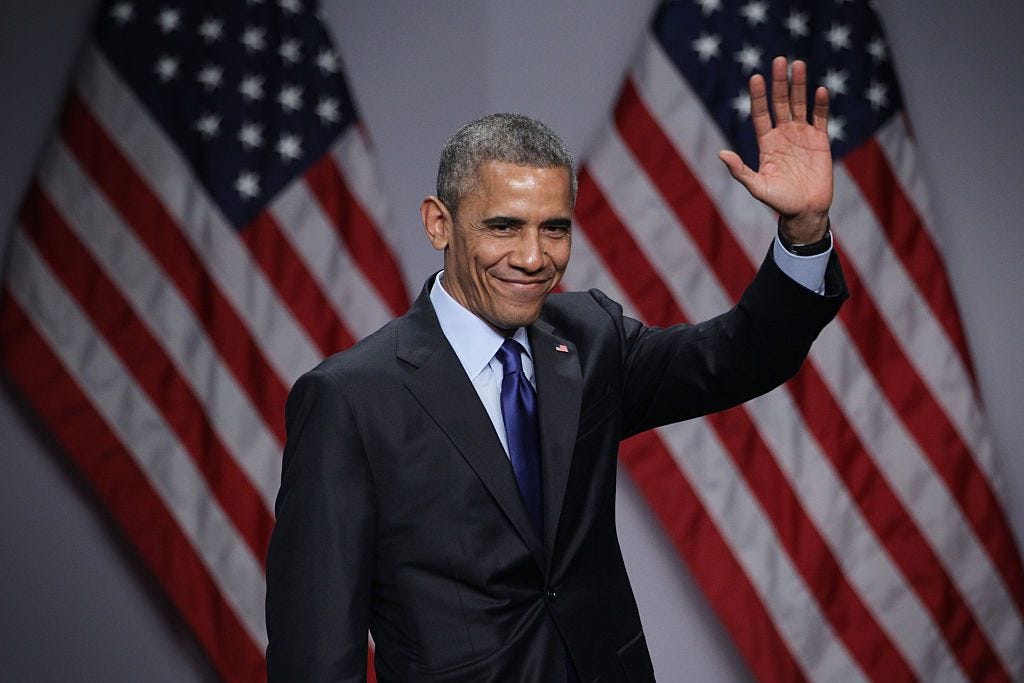
Black excellence has long been celebrated as a source of pride and aspiration, with figures like Barack Obama, Oprah Winfrey, and Lewis Hamilton positioned as proof that racial barriers can be broken. These "first Black" milestones serve as powerful representations of possibility but they also create a false sense of progress.
Obama’s presidency did not end racism in America.
Meghan Markle marrying into royalty did not challenge the monarchy’s colonial legacy.
Lewis Hamilton remains the only Black driver in Formula 1 history, despite being the sport’s most decorated champion.
Their achievements highlight individual talent and resilience, but they do not change the fact that the institutions they excel in remain largely unchanged.
The problem with Black excellence as a framework is that it reinforces the myth of meritocracy suggesting that racism can be overcome through sheer determination rather than through structural change. It also perpetuates the "good Negro" trope, where Black people are deemed worthy only when they outperform their white counterparts or conform to dominant cultural expectations.
This emphasis on individual triumphs ultimately distracts from collective liberation. It shifts attention away from systemic barriers, making it seem as though racial inequality is a personal failure rather than an institutional reality.
The real question we must ask is this:
Does celebrating Black excellence truly bring progress, or does it pacify demands for systemic change by highlighting isolated success stories?
Black Girl Luxury: Success, Scrutiny & The Demand for Humility
Luxury consumption in marginalised communities has always been politically charged both a statement of self-worth and a site of critique. Sociologist Thorstein Veblen’s theory of "conspicuous consumption" explains how wealth is often publicly displayed to signal privilege and status.
However, for Black communities, historically excluded from generational wealth, luxury has taken on a different meaning; one of defiance, reclamation, and survival.
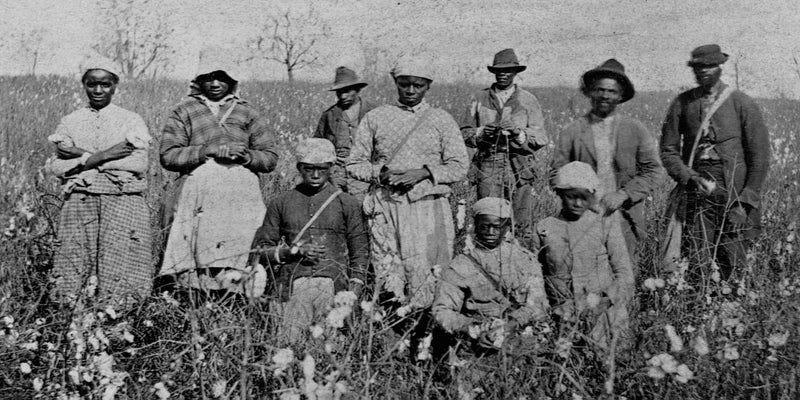
From the prohibition of Black landownership during slavery to the redlining policies of the 20th century, Black people have been systematically denied access to wealth-building opportunities. As a result, participating in high-status consumption has historically been seen as both an act of resistance and a challenge to racial hierarchies that have long associated affluence with whiteness.
Today, Black women embracing designer brands, luxury travel, and financial success disrupt entrenched ideas about who belongs in elite spaces. Movements like Black Girl Luxury promote the idea that wealth and leisure are not just for white elites but for Black women, too.
However, this visibility comes with contradictions, as it often reinforces capitalist structures that exploit Black and brown people globally while exposing Black women to relentless scrutiny and moral policing.
The Ethical Dilemma: Can Wealth & Exploitation Coexist?
Despite its empowering narrative, Black Girl Luxury is deeply entangled in the same economic systems that have historically excluded Black communities. The luxury industry is built on exploitative labour, colonial histories, and class exclusion, contradictions that complicate the idea of luxury as liberation.
For example:- Diamond and gold mining in Africa often involves child labor and hazardous conditions.- Cobalt mining in the Congo, which fuels luxury electronics, relies on underpaid, dangerous labor.- High-end fashion brands profit from sweatshop conditions in the Global South while maintaining exclusivity through artificial scarcity.
Black women embracing luxury, whether through designer fashion, high-end beauty brands, or five-star experiences raises a difficult question:
Can personal empowerment be revolutionary if it exists within the same capitalist systems that exploit other Black and brown communities globally?
This is where Angela Davis’s critique of Black capitalism becomes relevant.
Individual success within a capitalist framework does not equate to collective liberation it merely grants access to a few while leaving the broader economic structures intact.
When black women like Jackie Aina and Patricia Bright showcase their wealth, they inadvertently reinforce capitalist ideals of success not because their success is undeserved, but because it remains individualistic rather than structurally transformative.
If wealth remains concentrated in the hands of a select few, does it truly serve Black liberation?
The Scrutiny of Black Affluence: Why Black Women Can't Just "Be"
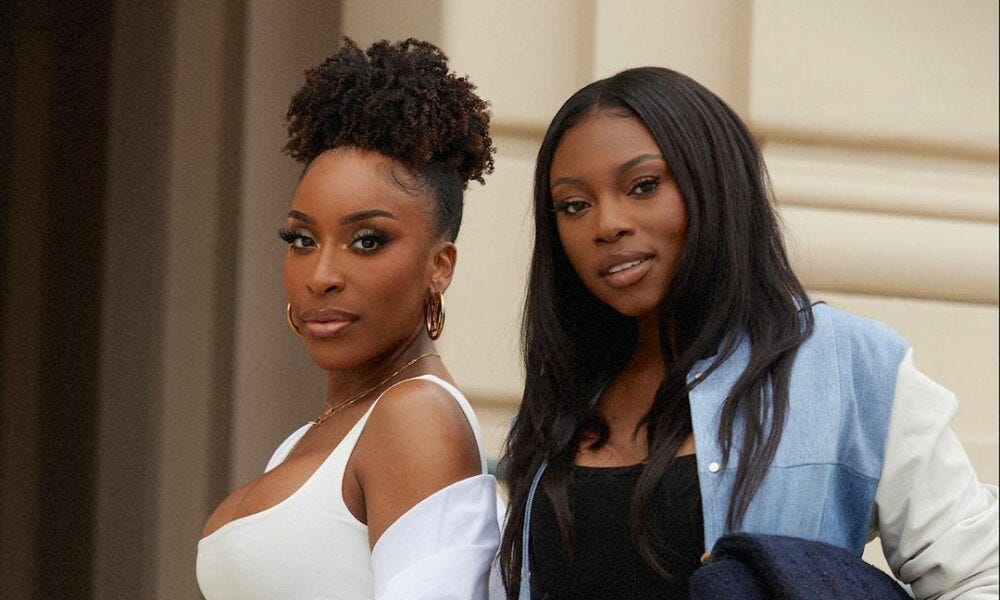
For Black women in the public eye, success is never just personal, it is always political. White influencers can flaunt wealth without question, but Black women engaging in luxury must constantly justify their affluence. The same success that is aspirational for white women becomes a betrayal when embraced by Black women.
Jackie Aina, who built her platform advocating for inclusivity in beauty, was celebrated until she pivoted to luxury. She was suddenly accused of being “out of touch” and abandoning her audience.Patricia Bright, who gained popularity by sharing relatable financial advice and family life, faced backlash when she transitioned into high-end fashion and visible affluence.Meanwhile, white influencers like Lydia Millen, Mrs. Hinch, and Molly-Mae Hague transition into luxury-driven branding without equivalent backlash. Their success is simply accepted as part of their journey.
At the heart of this scrutiny is a racialised and gendered expectation of service and sacrifice one that Audre Lorde critiques in her work on Black feminism and individualism.
Society expects Black women to prioritise collective uplift over personal gain. The moment they prioritise leisure, rest, and self-indulgence, they are accused of forgetting where they came from.
This creates impossible standards:Be wealthy, but don’t act wealthy.Be successful, but don’t become unrelatable.Work hard, but don’t enjoy your success too much.
Luxury as Rest & Healing: Why Participation Isn’t the Problem
Despite these contradictions, critiquing Black Girl Luxury does not mean Black women should not engage with luxury. For many, luxury is not just about consumerism, it is about healing, safety, and joy.
For Black women who have faced financial hardship, intergenerational poverty, or systemic exclusion, luxury can represent:
- Rest - the ability to exist without urgency or exhaustion.
- Security - financial stability, access to high-quality experiences, and generational wealth-building.
- Reclamation - challenging narratives that associate Blackness with struggle and limitation.
As bell hooks highlights in All About Love, prioritising joy, care, and well-being in a world designed to exploit Black people is itself a radical act. A designer handbag may not be revolutionary, but the ability to enjoy abundance without guilt is.
However, for true economic liberation, Black wealth must move beyond individual luxury consumption and into community reinvestment, sustainable wealth-building, and economic justice. Instead of mirroring Eurocentric models of exclusivity, Black luxury can be redefined through frameworks like cooperative economics, collective ownership, and reparative redistribution.
Movements such as group economics in Black Wall Street, cooperative housing projects, and investment funds that prioritise Black businesses offer an alternative vision one where wealth circulates within the community rather than remaining concentrated among a privileged few. This means supporting Black-owned businesses, funding communal resources, and investing in infrastructures that create long-term financial security for marginalised groups.
If luxury is to be a tool of liberation rather than exclusion, it must move beyond the individual and toward shared prosperity where access to rest, security, and abundance is not a privilege for the few, but a fundamental right for the many.
Hyper-Surveillance and the Policing of Black Success
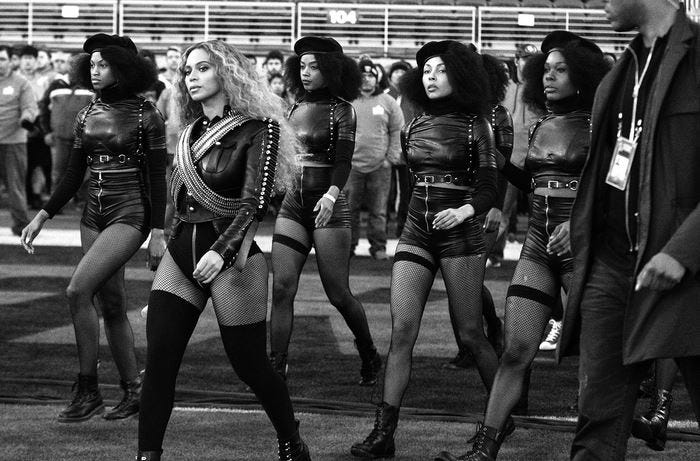
This hyper-surveillance goes beyond influencer culture, it is a systemic pattern that bell hooks critiques in Ain’t I a Woman? and Where We Stand: Class Matters. Hooks emphasises how Black women’s visibility often becomes a trap, where they are not allowed the same freedom to simply exist in their success. Instead, they are expected to act as racial ambassadors, carrying the burden of representation for an entire community.
This scrutiny is magnified in digital spaces, where Black women face digital misogynoir a specific form of racialised and gendered abuse online. A report by the online abuse charity Glitch found that Black women receive a disproportionate amount of toxic and dehumanising comments on social media, often tied to harmful stereotypes like the ‘angry Black woman’ trope. Algorithmic bias further exacerbates this issue, making Black women more visible to harassment, dogpiling, and platform-based abuse, while tech companies fail to intervene effectively.
Beyoncé’s career illustrates this burden perfectly. Despite being one of the most accomplished artists of all time, she is constantly expected to “do more”, whether it’s addressing racial issues, critiquing capitalism, or staying politically engaged on society’s terms. When she released Lemonade, it was interpreted as a political statement rather than just an artistic expression. Yet, when she embraced opulence in Renaissance, she was criticised for being too detached, too wealthy, too indulgent revealing a deep discomfort with Black women enjoying luxury without struggle, justification, or activism attached.
Similarly, Natalee B Fitness, a Black gym owner and influencer, has faced relentless public scrutiny and harassment. After crowdfunding her women’s-only gym, delays in its completion led to accusations of scamming, despite the fact that funding setbacks are common in business. More recently, when she announced that her gym would be single-sex and not open to trans women, the backlash escalated dramatically leading to doxxing, online harassment, and widespread media criticism.
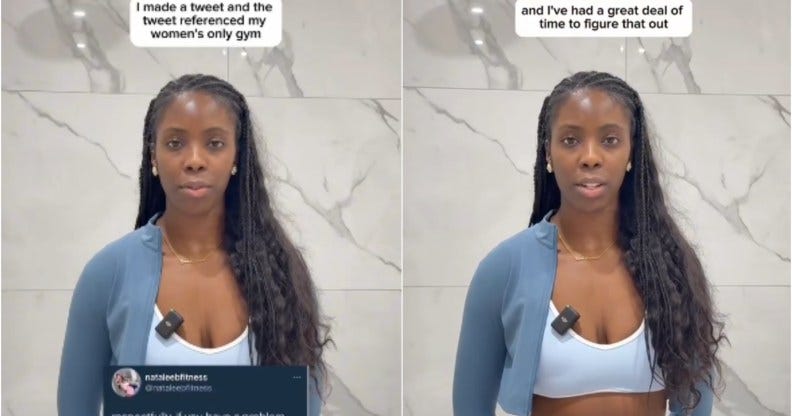
While debates around gender inclusivity in fitness spaces are complex and deeply charged, the severity of the response toward Natalee B compared to similar controversies involving white influencers highlights a broader racialised double standard. Many public figures and brands have been accused of discriminatory policies or even financial mismanagement, yet few have faced the same degree of relentless scrutiny. The level of vitriol Natalee B has endured underscores how Black women, especially those who attain success and visibility, are often afforded less grace, fewer opportunities to clarify their positions, and little room for redemption.
As bell hooks and Audre Lorde emphasise, true liberation means allowing Black women the full complexity of human existence, not just as activists or symbols, but as individuals. The burden of representation and hyper-surveillance must be dismantled, so that Black women can thrive without their every move being politicised or weaponised against them.
Black success should not always have to be framed as a performance of resilience or exceptionality. Sometimes, existing, enjoying life, and evolving should be enough.
The Role of Brands: Beyond Performative Allyship to Structural Change
Brands have long profited from Black culture while offering little in return. From the exploitation of Black aesthetics in fashion and music to the underpayment of Black influencers in digital spaces, corporations have mastered the art of co-opting Blackness for profit without redistributing power or wealth.
Black influencers are often brought into campaigns as diversity optics rather than true partners. During moments of racial reckoning, such as the 2020 Black Lives Matter protests, many brands rushed to align themselves with Black creators and social justice messaging. However, these collaborations were often short-lived, performative gestures rather than commitments to long-term equity.
For true structural change, brands must go beyond visibility and inclusion. They must actively work to dismantle the disparities that keep Black creators underpaid, undervalued, and excluded from decision-making roles.
Key Structural Changes Brands Must Implement
- Pay Parity for Black InfluencersStudies consistently show that Black influencers are paid less than their white counterparts, even when they have similar or larger followings. Brands must conduct internal audits to ensure pay transparency and eliminate racial pay gaps. Compensation should reflect influence, engagement, and reach, not outdated biases about which audiences hold more value.
- Long-Term Collaborations Instead of One-Off CampaignsMany brands tap Black creators for a single campaign to appear diverse but fail to sustain long-term partnerships. This leaves Black influencers constantly having to prove themselves anew while white influencers enjoy ongoing brand relationships. Companies should prioritise multi-year collaborations, ambassador programs, and equity-based partnerships that foster sustained economic empowerment.
- Ownership and Equity OpportunitiesTrue empowerment means giving Black creators a seat at the table, not just as talent but as decision-makers. This includes offering licensing deals, profit-sharing models, and equity stakes in the businesses they help promote. If brands are profiting from Black creativity, Black creators must have a share in that wealth.
- Investment in Black-Owned BusinessesBeyond influencer partnerships, brands must commit to supporting Black entrepreneurship in meaningful ways. This includes:Allocating funding for Black-led startups and businesses.
- Stocking Black-owned brands in retail spaces.
- Providing mentorship, resources, and access to industry networks that have historically excluded Black founders.
- Resisting Trend-Based EngagementBlack influencers should not be sacrificial lambs for a brand’s temporary interest in diversity. Too often, brands embrace Black aesthetics and language when it is profitable but quickly pivot when the social climate changes. A commitment to Black creators must be woven into the brand’s core values, not just leveraged when convenient.
Moving Beyond Representation Toward Redistribution
Representation alone is not enough if the power structures remain unchanged. Black influencers should not have to constantly advocate for their worth while their white peers receive automatic access to brand deals, high-paying partnerships, and industry recognition.
The future of equitable brand partnerships requires more than inclusion, it requires redistribution of resources, power, and ownership. Brands that truly want to engage with Black culture must invest in long-term financial and structural commitments that empower Black creators beyond visibility alone.
Beyond the Individual: Building Collective Liberation
Engaging with luxury should not mean abandoning the fight for equity. There must be a balance between celebrating Black joy and acknowledging the work that still needs to be done. The goal is not to shame Black participation in wealth, but to push for a system where luxury is not limited to a select few.
Luxury, in its redefined form, should be about equity, access, and sustainability. It should not exist as a marker of who “made it” and who didn’t, but as a blueprint for a world where financial security, well-being, and rest are not luxuries at all, but fundamental rights.
Ultimately, engaging with Black exceptionalism, Black capitalism, and the Black Girl Luxury movement through a critical lens does not mean rejecting them entirely, it means asking better questions:
- How can we expand access to luxury, rather than reinforcing exclusivity?
- How can brands support Black influencers without exploiting or discarding them when the trend fades?
- How can Black prosperity be reimagined beyond wealth accumulation, toward collective security and well-being?
The answers to these questions will determine whether Black luxury remains a tool of capitalist validation or becomes a transformative force for true liberation.
Conclusion: Beyond Inclusion—Toward a Radical Redefinition of Luxury and Success
Black women like Meghan Markle, Patricia Bright, Jackie Aina, and Beyoncé challenge long-held beliefs about who deserves success, how it should look, and what it means to occupy spaces historically reserved for whiteness. Their presence unsettles not just because of their wealth but because it disrupts deeply ingrained narratives that equate Blackness with struggle and servitude. Yet, their visibility does not simply invite celebration, it invites scrutiny, resentment, and an impossible set of expectations.
At the heart of this discomfort lies the paradox of Black exceptionalism, the idea that Black people must be extraordinary to be deemed worthy, yet are still punished when they step beyond the confines of relatability. This double standard is evident in the way Black women’s wealth and luxury are policed, while white influencers and celebrities are allowed to embrace opulence without interrogation. Luxury, when enjoyed by Black women, is seen as an act that must be justified. If they are not performing struggle, activism, or servitude, their success is reframed as a betrayal.
But here’s the truth: Black people should not have to prove their worthiness to participate in luxury. They should be free to rest, enjoy, and experience abundance without it becoming a political act. At the same time, it is fair to acknowledge that luxury, as it currently exists, is deeply embedded in capitalism, exploitation, and exclusionary structures that must be dismantled for true equity to exist.
Two things can be true:
- Black people engaging in luxury is not inherently problematic; for many, it is a form of healing, joy, and reclamation after generations of systemic exclusion.
- Yet, luxury that remains rooted in Eurocentric, exploitative models will never be truly liberating.
This is why reimagining luxury is not just important; it is necessary. Luxury must shift beyond over-consumption and hyper-individualism toward sustainability, access, and collective well-being. True luxury should not be about exclusion, but about security, rest, and the ability to live without constant struggle.
For brands engaging with Black influencers, this means moving beyond performative allyship that uses Black creators for short-term diversity campaigns, only to discard them once the trend fades. Black influencers should be compensated equitably, offered long-term partnerships, and given ownership opportunities not just visibility.
And for Black communities, the challenge is to expand access to wealth and influence without reinforcing the same exclusionary systems that have historically shut them out. The goal should not be to replicate white elite structures but to build new frameworks where prosperity is widespread, sustainable, and ethical.
At its core, the Black Girl Luxury movement, Black exceptionalism, and Black capitalism all raise one fundamental question:
Does success within oppressive structures truly shift power, or does it simply allow a select few to participate?
The future of Black success must be defined not just by participation, but by redefinition. The challenge ahead is not merely securing seats at the table but building a new table entirely, one where luxury is no longer a measure of exclusion, but a tool for collective freedom.
References
Bailey, M. (2010). Misogynoir: The unique ways Black women experience race and gender oppression online.
Bailey, M. (2021). Misogynoir Transformed: Black Women's Digital Resistance. New York University Press. Available at: https://www.amazon.co.uk/Misogynoir-Transformed-Black-Digital-Resistance/dp/1479865101
Black Feminist Collective. (2024, May 4). The Black Bourgeoisie, Black Capitalism, and the Myth of Black Excellence. Available at: https://blackfeministcollective.com/2024/05/04/the-black-bourgeoisie-black-capitalism-and-the-myth-of-black-excellence/
Black Feminist Collective. (2024, March 16). Black Girl Luxury is Exclusionary, Not Revolutionary. Available at: https://blackfeministcollective.com/2024/03/16/black-girl-luxury-is-exclusionary-not-revolutionary/#:~:text=In%20the%20Essence%20article%2C%20Black,majority%20of%20the%20African%20diaspora
Davis, A. (1983). Women, Race, & Class. Random House.
Davis, A. (2000). Black capitalism and the myth of racial progress.
Fanon, F. (1952). Black Skin, White Masks. Grove Press.
Glitch. (2021). Digital Misogynoir Report: The Online Abuse of Black Women and Girls. Glitch UK.
hooks, b. (1981). Ain't I a Woman? Black Women and Feminism. South End Press.
hooks, b. (2000). Where We Stand: Class Matters. Routledge.
hooks, b. (2001). All About Love: New Visions. Harper Perennial.
Lorde, A. (1984). Sister Outsider: Essays and Speeches. Crossing Press.
Veblen, T. (1899). The Theory of the Leisure Class. Macmillan.
Culture & Commerce is a reader-supported publication. To receive new posts and support my work, consider becoming a free or paid subscriber.
Culture & Commerce
Get the next essay first.
Culture, brand power and influence, read straight from my desk. No spam, unsubscribe anytime.
Prefer Substack? Follow Culture & Commerce there.
Originally published in Culture & Commerce. Read the original post.