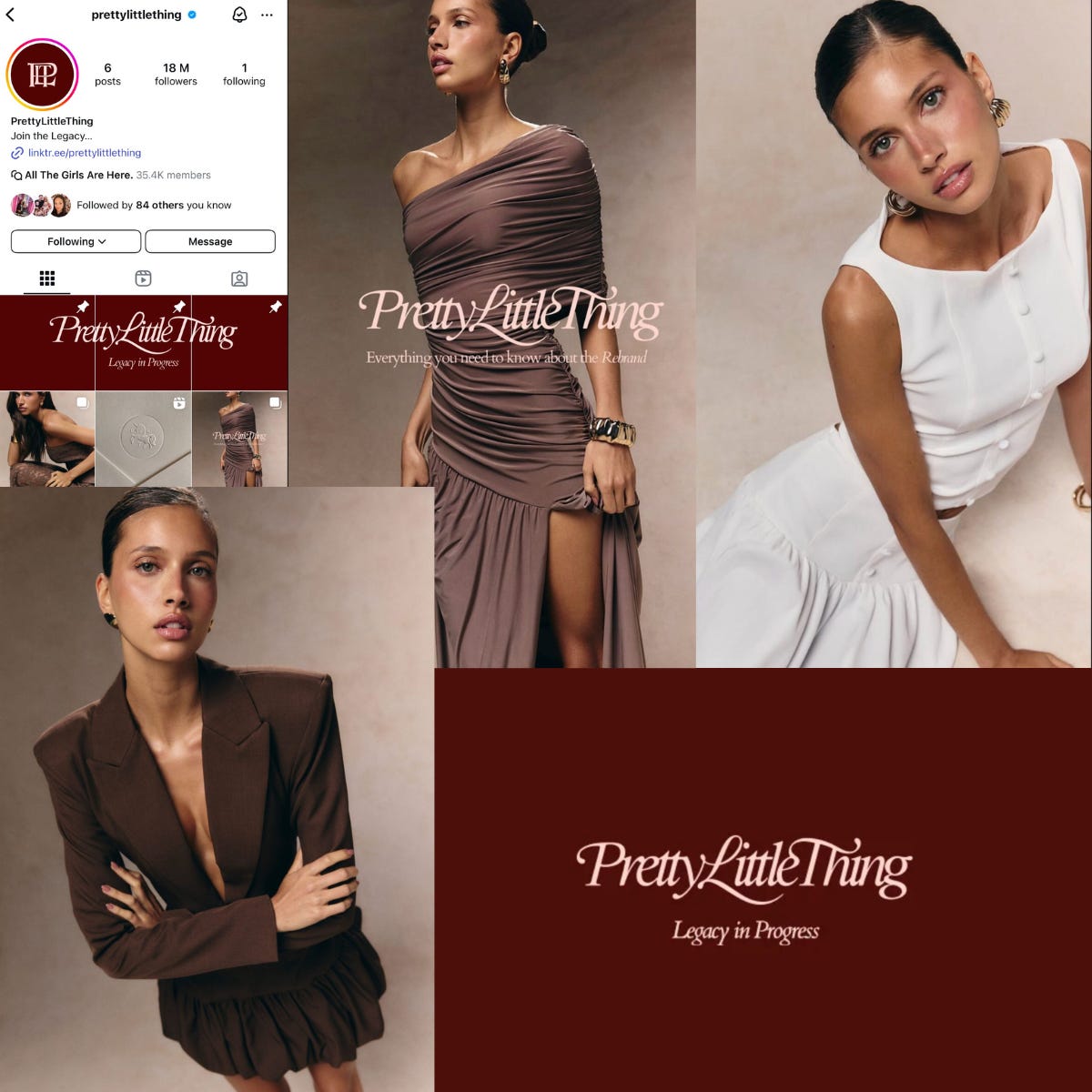
The PLT Rebrand: Aesthetic Upgrade or Strategic Facelift?
Korrine Sky · March 2025 · 21 min read
PLT’s rebrand is a bold attempt to modernise, but without operational improvements, it risks being more performative than transformative. The shift to ‘quiet luxury’ aligns with rising demand for timeless fashion, yet wi
Listen to this essay
Narrated version
PLT’s rebrand is a bold attempt to modernise, but without operational improvements, it risks being more performative than transformative. The shift to ‘quiet luxury’ aligns with rising demand for timeless fashion, yet without upgrades in quality, sustainability, or inclusivity, this pivot may be another short-lived aesthetic cycle rather than a meaningful evolution.
Beyond aesthetics, PLT is facing financial strain, making this rebrand more than just a marketing refresh—it’s a survival strategy. Recent financial reports highlight the brand’s struggles:
Culture & Commerce is a reader-supported publication. To receive new posts and support my work, consider becoming a free or paid subscriber.
- 2023-2024 Revenue: Dropped from £634.1m to £475.8m, resulting in a £6.5m pre-tax loss.
- Global Sales Decline: Down 21.3% year-over-year, with European sales plummeting 13.8%.
- UK & US Growth Slowing: UK revenue grew 6.4%, while the US saw a marginal 0.1% increase.
Rising inflation and shifting consumer habits have forced PLT to rethink its mass-market fast fashion model. In response, the brand is repositioning itself between broad accessibility and aspirational exclusivity, attempting to retain budget-conscious shoppers while appealing to a more refined aesthetic.
Yet, PLT’s core dilemma remains: Can the brand successfully transition to “timeless” fashion while still operating within an ultra-fast, trend-chasing model? If this is just another surface-level refresh, PLT risks alienating both its loyal audience and premium-conscious consumers who demand more than just a new aesthetic.
This raises the central question: Is PLT’s rebrand a genuine transformation, or is it simply a strategic facelift that fails to address deeper issues in authenticity, ethics, and consumer trust?
Pivoting Aesthetics Without Promising Ethics
The Aesthetic Shift
In a recent Drapers interview, co-founder Umar Kamani explained that PLT’s new website, logo, and refined colour palette (from bubblegum pink to dusty pink, garnet, and blush sand) are designed to “clean everything up” and reengage customers. Kamani admitted, “We stopped listening, and that’s when the brand lost its identity. Now, we’re redefining ourselves.”
This rebrand is an effort to evolve alongside its audience, who now demand higher quality, consistent sizing, and a move away from fast fashion’s disposable nature. By revamping its visual identity, PLT aims to position itself as a revitalised, customer-focused brand ready for today’s market.
Building on this refined identity, it’s clear that PLT’s new look not only targets a maturing audience but also mirrors broader industry trends toward more curated, timeless aesthetics.
A Trend in Itself
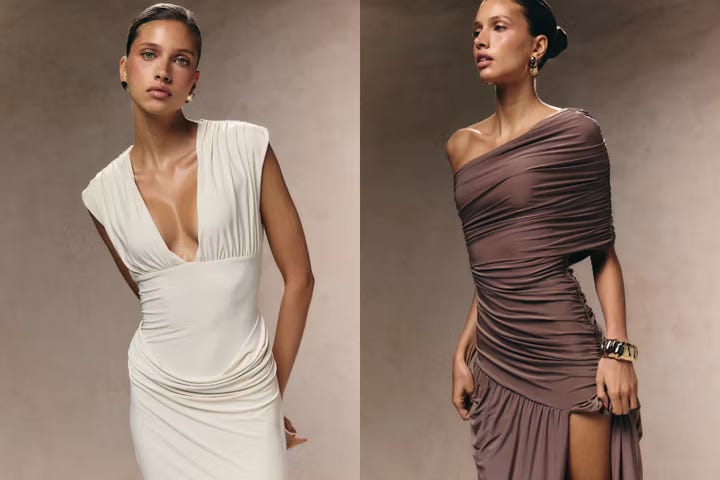
Rather than pioneering a new identity, PLT borrows heavily from existing aesthetics, drawing inspiration from style icons like Aimee Smale, Molly Mae, and Sophia Richie. Adding to the exclusivity, Umar Kamani’s wife, Nada, appears to be a muse for PLT’s new image. This aligns with a broader trend where fast-fashion brands rebrand with a refined, upscale veneer to maintain relevance.
Similar rebrands include:
- H&M – Prioritising sustainability and transparency, contrasting with PLT’s shift toward aspirational luxury.
- House of CB – Transitioning from edgy, bandage dresses to soft, milkmaid-inspired silhouettes, successfully carving out a niche that PLT hopes to emulate.
- OhPolly – A similar move toward curated luxury, though PLT must also contend with Boohoo Group’s labour controversies.
While aspirational, some may find the rebrand derivative rather than transformative.
Critics argue that this is a superficial pivot to distance PLT from Shein and Fashion Nova, risking alienation of its core audience. Yet, after 12 years in fast fashion, many original customers, once in their early 20s, are now in their 30s and seeking timeless capsule wardrobes over bargain buys. Kamani describes the rebrand as “a legacy in progress,” suggesting a matured brand evolution rather than just a trend-driven refresh.
PLT’s Trend-Hopping
PLT wants to be seen as an aspirational fashion brand, yet it still operates like a fast-fashion giant. Its rebrand suggests a shift toward Zara-style premium fashion, but in reality, its business model mirrors Shein’s - hyper-fast production, trend-chasing, and affordability-first strategies.
This creates a fundamental dilemma:
- Can PLT successfully position itself as a premium, ‘quiet luxury’ brand while still relying on ultra-fast production?
- If it doesn’t improve quality and supply chain ethics, will consumers see through the rebrand and lose trust?
Unlike PLT, Zara has mastered the balance between trend responsiveness and quality, maintaining a consistent brand identity. Shein, on the other hand, thrives on hyper-reactivity and mass-market appeal, cycling through aesthetics at lightning speed. PLT risks getting stuck between the two - unable to fully commit to premium fashion, yet reluctant to abandon its fast-fashion roots.
If PLT truly wants to distance itself from ultra-fast fashion, it needs to prove that this rebrand is more than just an aesthetic refresh. Otherwise, it risks falling into an identity crisis; caught between Zara’s elevated image and Shein’s trend-churning machine.
The stakes are high:✔ If PLT commits to a premium identity, it must improve materials, quality control, and supply chain transparency.✖ If it fails to follow through, the rebrand will feel like a temporary marketing pivot, damaging trust and keeping PLT stuck in Shein’s shadow.
At its core, PLT must decide: Is this a true transformation, or just another trend cycle that will fade with the next aesthetic shift?
What If Quiet Luxury Fades?
Fashion is cyclical, and if maximalism or streetwear resurfaces, PLT will face a pivotal choice: stay committed to its refined image, adapt by blending ‘quiet luxury’ with contemporary trends, or revert to the ultra-fast, hyper-trendy model that built its success.
The true test of this rebrand isn’t just how well PLT executes it today, but whether it can resist the urge to pivot again when the next aesthetic shift arrives. If quiet luxury fades, will PLT stand by its new identity, or will this transformation prove to be just another moment in its ongoing cycle of reinvention?
Leadership, Authenticity, and Strategic Risks
At the heart of PLT’s rebrand is Umar Kamani, re-emerging in 2024 to reconnect with loyal customers. In a heartfelt message, he admitted the brand had lost touch with its audience and vowed to refocus on their needs - introducing measures like reintroducing free returns.
In a candid sit-down with Stephen Bartlett, Umar revealed he spent six months gathering feedback and curating ideas to steer the brand in a new direction, emphasising transparency and genuine engagement.
PLT is not only updating its visual identity; it is shedding its image as a faceless corporate giant (despite a $3.8 billion valuation) and reinventing itself as a dynamic, founder-led “startup” (kinda?). In an era where consumers favour authentic storytelling over superficial influencer campaigns, this shift aims to rebuild trust.
The shift aligns with a broader consumer trend favouring authenticity over superficial influencer marketing, reflecting a desire for real leadership and values-driven storytelling.
Fashion founders like Aimee Smale (Odd Muse) and Fisayo Longe (Kai Collective) have demonstrated that community-focused branding resonates deeply, proving that consumers engage more with brands that embody clear values, history, and a well-defined customer identity. PLT appears to be leaning into this approach, positioning itself less as a trend factory and more as a brand with a lasting cultural imprint.
Nonetheless, key questions persist:
Has PLT genuinely improved its material quality and ethical production, or is the rebrand merely a strategy to justify higher prices while core issues remain unaddressed?
The answer will determine whether PLT’s evolution is a true transformation or simply cosmetic, especially in light of broader sustainability challenges in fast fashion.
The Promise and Peril of Sustainability
PLT’s shift toward ‘timeless’ fashion may suggest a move toward sustainability, but there’s little evidence to support this. Despite a polished new aesthetic, the brand has made no concrete commitments to improving ethical sourcing, reducing waste, or increasing transparency.
This raises a critical concern: Is PLT misleading consumers into associating ‘quiet luxury’ with responsible fashion, without actually making meaningful changes?
The reality is that PLT’s rebrand does not include any sustainability-driven initiatives. There is no evidence of material upgrades, improved labour conditions, or supply chain transparency, key elements that would make a true impact. Instead, the brand is banking on an image overhaul to shift consumer perception, while continuing to operate within the same ultra-fast, trend-chasing model.
A Historical Context of Fast Fashion
Fast fashion thrives on overconsumption. The industry’s rapid production cycles, fuelled by globalisation and digital marketing, have created an insatiable demand for low-cost, high-turnover fashion. Social media platforms like TikTok and Instagram have further amplified this, driving trends at breakneck speed and making fashion hauls (where creators showcase massive clothing purchases) both aspirational and normalised.
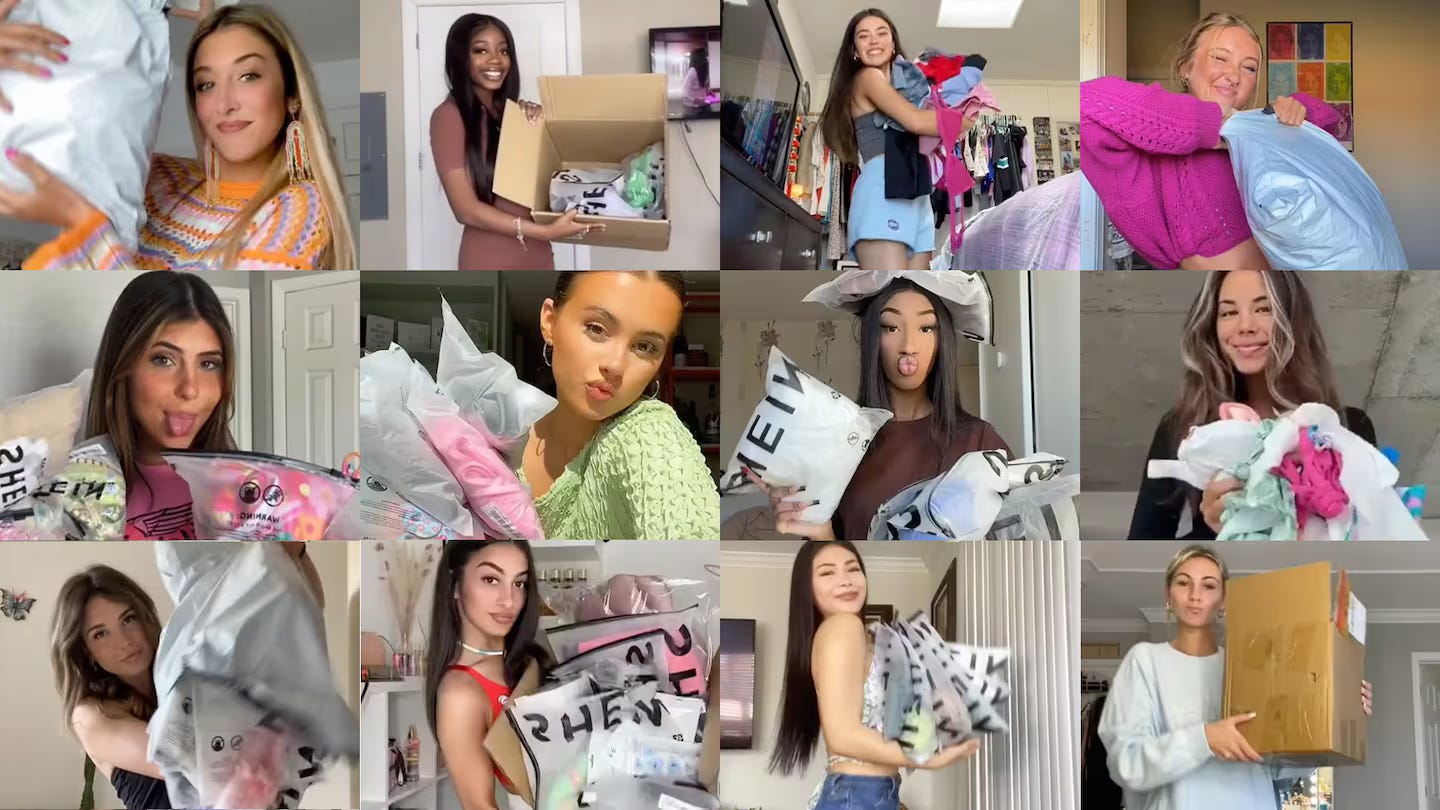
Within 24 hours of PLT’s rebrand launch, TikTok was flooded with new PLT haul videos, some creators spending over £400 on bulk orders. This highlights a key contradiction: If PLT was truly moving toward a more sustainable model, wouldn’t it be discouraging overconsumption rather than fuelling it?
Meanwhile, the demand for ethical fashion is growing. 67% of consumers now consider sustainable materials a key purchasing factor, and 63% say they value a brand’s commitment to sustainability.
PLT’s challenge is clear: Can it reconcile its fast-fashion DNA with a consumer base increasingly aware of fashion’s environmental impact?
The Hidden Cost of Fast Fashion: PLT, Boohoo Group, and Exploited Labour
While PLT is attempting to reposition itself as an elevated brand, it remains tied to Boohoo Group’s well-documented labour abuses.
Investigations into Boohoo’s Leicester-based factories in 2020 revealed garment workers being paid as little as £3.50 per hour far below the UK minimum wage, while working in unsafe conditions. In response to public backlash, Boohoo cut ties with certain suppliers, but reports suggest little has changed in terms of ethical oversight.
PLT’s Fashion Transparency Index score sits between 21-30%, and its Good Shopping Guide rating is 37/100. There is no evidence that PLT has taken steps to ensure fair wages, safe working conditions, or diversity within its supply chain. Its new brand identity may feel premium, but its business model remains exploitative.
The risk here is not just brand perception but consumer trust. A growing number of shoppers are holding brands accountable for misleading sustainability claims. If PLT continues to use aesthetics to disguise ethical shortcomings, it could face the same backlash that has damaged other fast fashion giants.
Sustainability’s Double-Edged Sword
The rising demand for sustainable fashion presents an economic challenge for brands like PLT, which have long relied on affordability and mass production. Moving toward ethical materials and responsible sourcing often increases costs, limiting access for budget-conscious consumers.
This raises a difficult question: Is PLT deliberately avoiding sustainability efforts because it fears losing its core audience?
While competitors like Zara and H&M have introduced conscious collections and circular fashion initiatives, PLT has not made any public commitments to reducing textile waste, improving supply chain ethics, or integrating sustainable fabrics. The brand’s strategy appears to be aesthetic sustainability - creating the illusion of durability through ‘timeless’ fashion, without the operational changes to match.
PLT’s Legacy Inventory Problem
One of the biggest contradictions in PLT’s rebrand is its excessive stockpile of past-season fast fashion pieces. PLT has over 30,000 styles in circulation, reflecting its long-standing practice of mass-producing disposable fashion.
If PLT were serious about sustainability, it would be addressing this issue through:✔ Responsible inventory management - reducing overproduction and avoiding landfilled stock.✔ Recycling or resale programs - offering take-back schemes or secondhand sales to minimise waste.✔ Transparent disposal policies - showing how it handles unsold stock to avoid unethical dumping.
Instead, there is no public plan for how PLT will handle its legacy inventory. This further suggests that the rebrand is more about optics than real progress.
The Bottom Line: Is PLT Greenwashing?
At its core, PLT’s rebrand feels like an attempt to distance itself from fast fashion’s negative reputation without actually changing its practices. There is no sustainability strategy, no ethical commitments, and no transparency improvements only a curated new aesthetic that encourages higher price points without addressing deeper concerns.
For consumers increasingly aware of greenwashing tactics, the question is: Will PLT be held accountable, or will its image overhaul be enough to keep shoppers engaged?
True sustainability requires more than a ‘timeless’ aesthetic it demands systemic change. Until PLT proves otherwise, this rebrand remains a polished façade masking the same old fast-fashion machine.
The Rise of Conservatism in Fashion and PLT’s Rebrand

PLT’s rebrand aligns with a broader fashion movement embracing traditional femininity one that elevates refinement, heritage aesthetics, and structured silhouettes over bold, hyper-trendy expression. This shift reflects the growing appeal of ‘quiet luxury’, but also echoes a cultural return to old money aesthetics, ‘tradwife’ ideals, and modest, structured dressing.
While this transformation isn’t overtly ideological, it subtly reinforces a more restrained vision of femininity, moving away from the body-conscious, hyper-sexualised styles that once defined PLT. This raises a fundamental question: Is this just an aesthetic refresh, or does it signal a deeper shift in the way fashion brands define aspiration, class, and femininity?
A Shift Away from Hyper-Sexualised Fashion
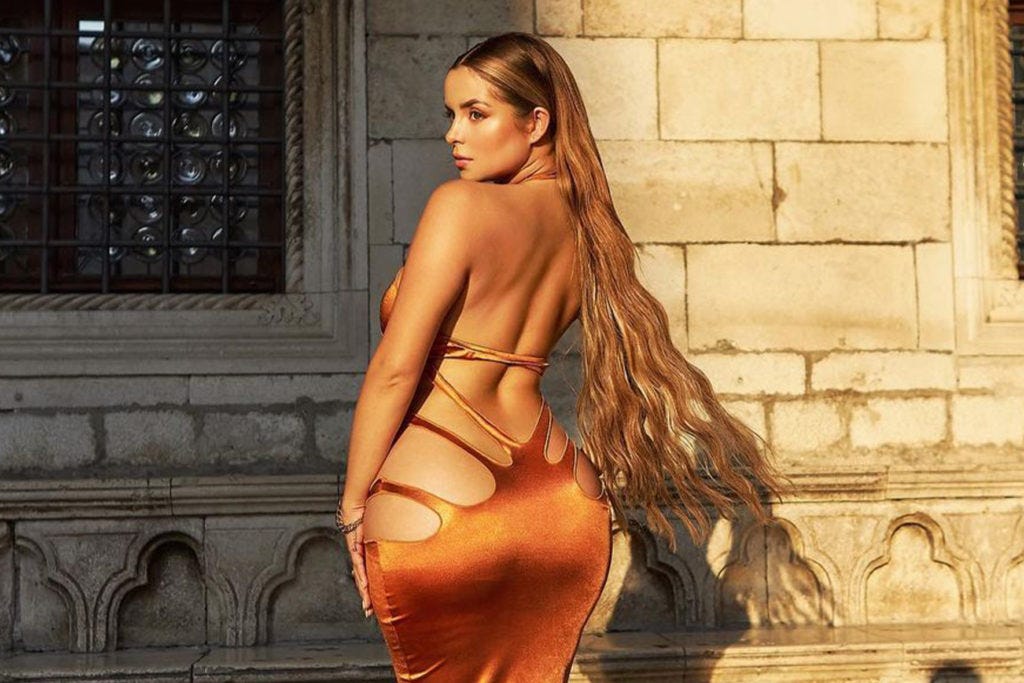
PLT built its brand on the bold, curve-enhancing silhouettes of the Kardashian-Jenner era, skin-tight dresses, dramatic cutouts, and statement pieces designed for social media visibility. But as cultural tastes shift toward subtle elegance and ‘clean girl’ minimalism, PLT is pivoting accordingly.
As one user, @rorygil12, puts it:
“prettylittlething just rebranded their website and clothes… they have removed the BBL fashion and is more clean girl aesthetic now… wow the BBL aesthetic is really out.”
This move is part of a larger industry trend replacing maximalist, overtly sexy aesthetics with a more polished, subdued image, one that prioritises heritage appeal, wealth signalling, and understated luxury.
But is this purely aesthetic, or does it hint at deeper ideological shifts in consumer culture?
The ‘Tradwife’ & Stepford Influence
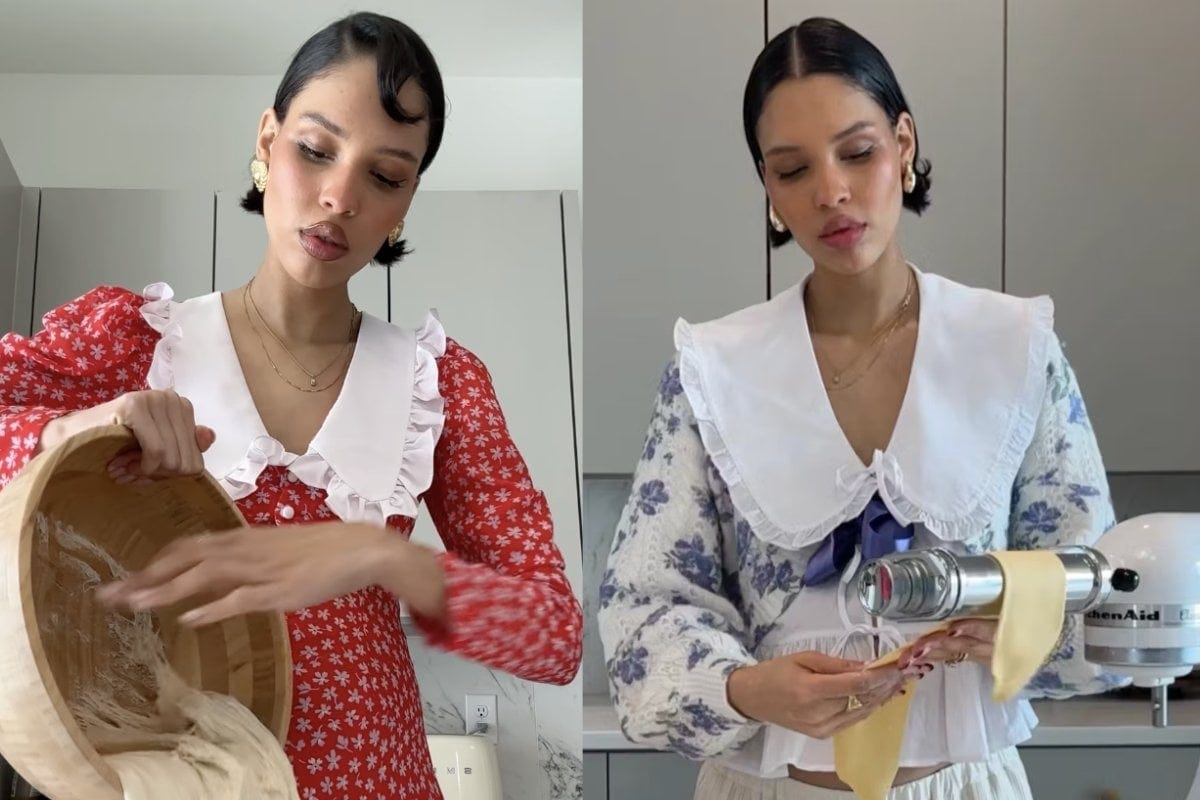
PLT’s new aesthetic shares visual similarities with the rising ‘tradwife’ and ‘Stepford wife’ trends, which romanticise hyper-feminine, domestic ideals. Influencers like Nara Smith and Hannah Neeleman (Ballerina Farm) have propelled this narrative, presenting a carefully curated, vintage-inspired vision of womanhood centered on homemaking, family life, and traditional gender roles.
While not inherently regressive, these trends raise critical questions:
- Is PLT’s rebrand reinforcing an older ideal of femininity, or is it simply borrowing the look to align with shifting consumer preferences?
- Does the emphasis on soft tailoring, neutral palettes, and curated elegance subtly exclude diverse representations of beauty?
- Is this a rejection of fast fashion’s excess, or does it create new barriers—associating ‘quiet luxury’ with privilege and exclusivity?
While these aesthetics appeal to Gen Z’s growing love for curated, intentional style, they also intersect with broader cultural shifts, including the resurgence of conservative values in public discourse.
Is PLT Reinforcing Conservatism or Just Adopting the Aesthetic?
PLT’s rebrand may be tapping into this trend without fully endorsing its ideology, but the risk lies in what it implicitly signals. By aligning itself with an aesthetic linked to exclusivity, Eurocentric beauty standards, and traditional gender norms, the brand risks alienating the diverse, expressive consumers who once saw it as an accessible, trend-driven retailer.
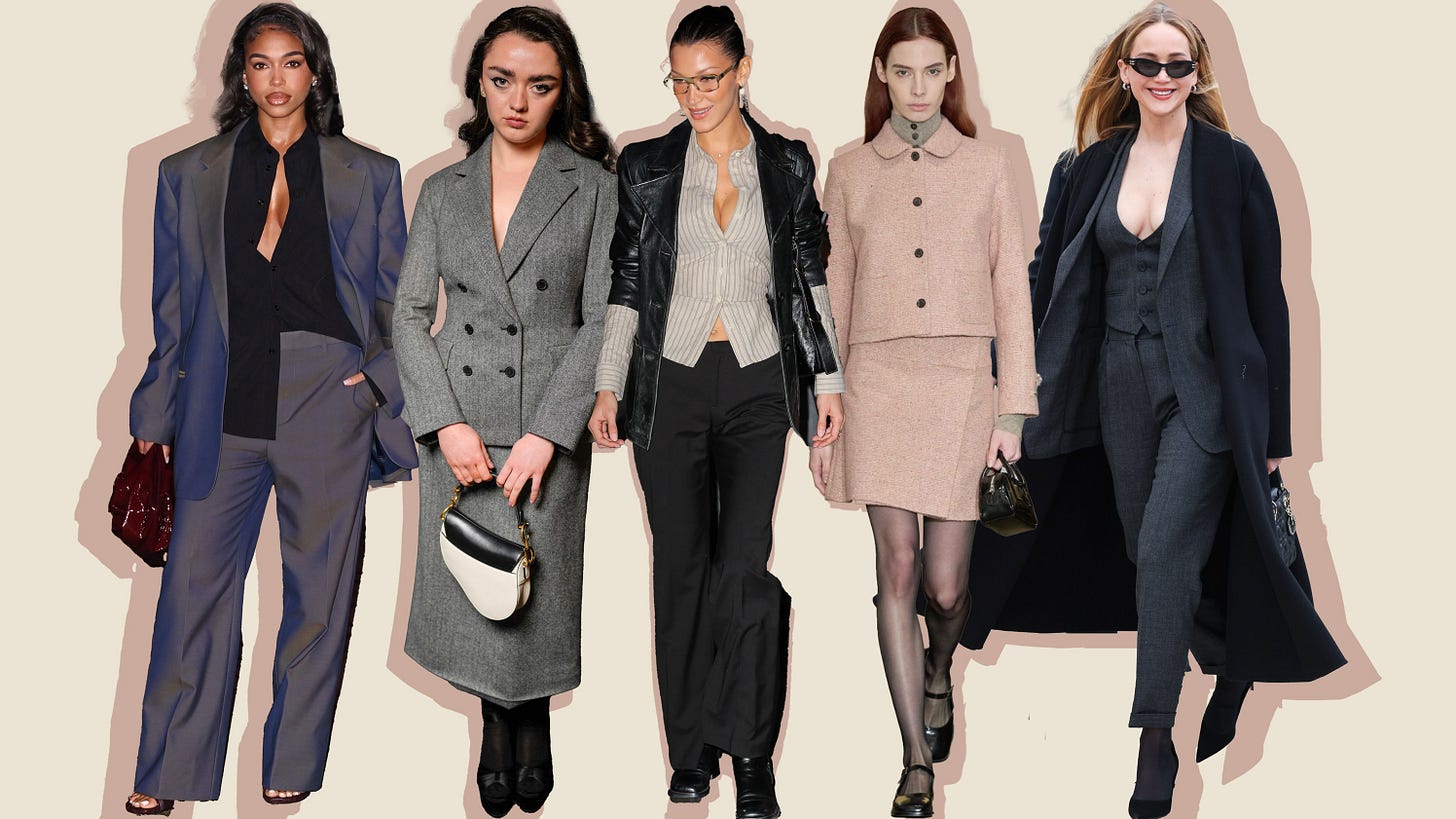
Gen Z, however, is embracing this refined aesthetic at an accelerating rate, choosing structured, age-transcending looks over hyper-trendy styles. Some see this as a sustainability-driven rejection of fast fashion’s disposable culture. Others argue it marks a return to restrictive beauty ideals that prioritise conformity over individuality.
The Bigger Picture
In essence, PLT’s rebrand raises a critical question:
- Is this a step toward a more intentional, quality-driven fashion industry?
- Or is it a subtle reinforcement of traditional femininity, wrapped in the language of modern luxury?
As more brands embrace heritage-inspired aesthetics, their impact will extend beyond fashion trends - shaping cultural narratives on femininity, class, and self-expression. Whether this shift leads to a positive transformation or a quiet return to more rigid ideals remains to be seen.
The Absence of Colour: A Monochromatic World
PLT’s rebrand embraces a muted, minimalist aesthetic - one that prioritises neutral tones, structured tailoring, and understated luxury. While this shift aligns with the industry’s broader embrace of ‘quiet luxury,’ it also raises critical questions about who is included in this vision of refinement, and who is being left out.
For a brand that once thrived on bold, trend-driven styles; offering vibrant colours, striking prints, and statement pieces, this pivot signals a narrowing of what is considered aspirational. The transition from hyper-trendy, expressive fashion to a subdued, Eurocentric, monochromatic aesthetic risks alienating a diverse consumer base that once saw PLT as an affordable gateway to playful, high-energy style.
As @_lexikayy puts it:
“This PLT rebrand is upsetting me—WHERE IS THE COLOUR?”
By centering neutral tones like beige, taupe, and off-white, PLT aligns itself with a luxury aesthetic long associated with whiteness, wealth, and exclusivity. Historically, high fashion has positioned pale, monochromatic palettes as symbols of sophistication, often sidelining the rich, expressive use of colour found in Black, Brown, and global fashion traditions.
This shift isn’t just about personal preference, it reinforces a deeper message:
If ‘quiet luxury’ is the new standard of aspiration, does that mean bold colours and expressive styles are no longer considered refined?
From Inclusive to Exclusive?
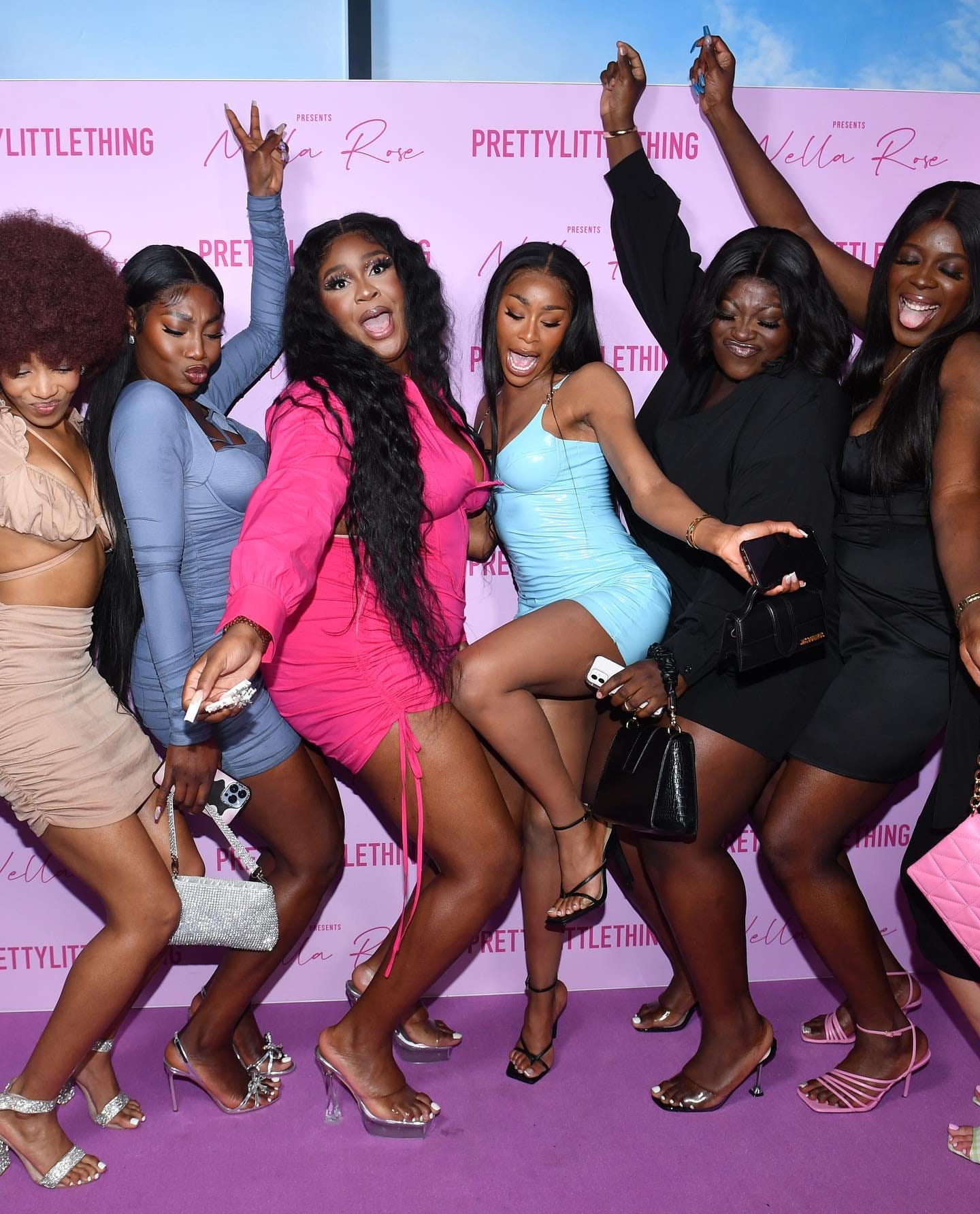
Ultra-neutral schemes, popularised by brands like Yeezy and Skims, have often been critiqued for promoting a homogenised aesthetic, one that caters primarily to white, slim, and conventionally attractive beauty ideals. This concern is especially relevant for PLT, a brand that built its reputation on accessibility and inclusivity, catering to a wide range of body types, ethnic backgrounds, and personal styles.
By stripping away bold prints, vibrant hues, and statement silhouettes, PLT’s rebrand sends a subtle but powerful message, one that suggests these elements no longer fit within its new aspirational identity.
As @aiojames humorously notes:
“I’m crying at this PLT rebrand. They just brought their basics to the front and removed all the items with prints. Colour palette is black, grey, white, and brown. They’ve turned into H&M’s step sister 🤣🤣.”
While many consumers appreciate PLT’s shift toward a more polished, ‘grown-up’ aesthetic, others feel it has abandoned the vibrancy, accessibility, and global appeal that once set it apart. In doing so, PLT is entering an already saturated market, one where established brands are executing the ‘quiet luxury’ aesthetic more convincingly.
At its core, the question remains:
- Is PLT evolving toward a more refined identity, or is it adopting an aesthetic that subtly excludes the diverse and expressive consumers who once made it successful?
- Is this shift a response to market trends, or does it reflect a deeper cultural alignment with exclusivity and Eurocentric beauty standards?
In repositioning itself within the ‘quiet luxury’ space, PLT risks losing the essence of what made it relevant in the first place - a brand that embraced trends across cultures, body types, and styles. If this new identity leans too far into exclusivity, PLT’s original consumers may no longer see themselves reflected in its vision of aspiration.
PLT’s Pricing Shift: Justified Upgrade or Strategic Markup?
As PLT transitions toward an aspirational luxury aesthetic, its pricing structure is also shifting, but without clear evidence of corresponding improvements in quality or ethical sourcing. Historically, higher price points in fashion have been justified by superior craftsmanship, better materials, and sustainability efforts. However, PLT’s rebrand appears to focus primarily on visual refinement rather than tangible upgrades.
For years, PLT was the go-to for affordable, trend-driven pieces, but its new price points are making consumers question whether they’re paying for quality or just a brand refresh.
“PLT is rebranding so they can sell people thin polyester blazer dresses for £50.” — @koezi_ on Twitter
Competitive pressures also complicate this shift:
- Shein remains dominant in the budget-fast fashion space, offering similar styles at lower prices.
- Boohoo (PLT’s parent company) retains a low-cost, high-volume model, meaning shoppers unwilling to embrace PLT’s price jump may migrate to Boohoo for cheaper alternatives.
- Zara & Mango justify higher price points with improved fabric quality, tailored fits, and an elevated shopping experience.
To maintain credibility with its audience, PLT must ensure that rising costs reflect improved quality. Otherwise, it risks alienating budget-conscious shoppers without securing trust from premium shoppers.
Unlike PLT, these competitors have distinct value propositions that support their pricing models, whether it's Shein’s affordability, Boohoo’s trend churn, or Zara’s balance of style and perceived quality. If PLT doesn’t demonstrate clear advancements in craftsmanship or responsible sourcing, its pricing shift risks alienating its core audience without attracting new premium shoppers.
@jamillatijani_ shares, “I go to Zara/Mango/ASOS for my classy, corporate clothes. PLT, ego and Boohoo is where I go for the fun outfits, like I’m so upset 💔,”
What PLT Needs to Do to Justify Higher Prices
For this transition to succeed, PLT must deliver real, tangible improvements that justify its premium pricing. Key actions include:
✔ Material Upgrades: Move beyond thin polyester fabrics to offer structured, durable materials that feel premium to the touch.✔ Better Fit & Consistency: Address long-standing consumer complaints about inconsistent sizing to compete with brands known for their reliable fits.✔ Ethical & Transparent Sourcing: Provide clear evidence of improved factory conditions, responsible labour practices, and sustainability commitments.
Without these improvements, higher prices could lead to consumer backlash rather than brand loyalty. PLT is now at a critical turning point - if it fails to justify its new positioning, it risks losing affordable fashion shoppers without gaining credibility among premium buyers. The next year will determine whether PLT can successfully redefine its value proposition or if this shift will be seen as yet another fast-fashion marketing gimmick.
Future Outlook: Can PLT Sustain This Evolution?
PLT’s rebrand could reshape its long-term trajectory in several ways. If executed successfully, this transformation may allow the brand to reposition itself as a leader in aspirational, “quiet luxury”-inspired fast fashion, appealing to consumers looking for affordability without the stigma of disposability. A well-implemented strategy - one that improves quality, prioritises transparency, and effectively communicates its new direction, could help PLT reclaim market confidence, especially among customers disillusioned with Shein-style ultra-fast fashion.
However, significant risks remain:
- If pricing rises without a corresponding increase in material quality, PLT may alienate its price-sensitive core audience, pushing them toward competitors like Fashion Nova, Missguided, and Shein.
- If the old money aesthetic loses relevance, will PLT adapt again, or will it be caught in an identity crisis, struggling to maintain a distinct market position?
- If sustainability claims remain superficial, consumers may perceive the rebrand as nothing more than marketing spin - damaging trust rather than rebuilding it.
Another critical challenge is whether PLT’s new aesthetic has enough global appeal. The UK and US markets are showing a preference for refined, classic staples, but Europe and other international regions (where sales are declining) may not align with this aesthetic shift. If the brand overcommits to a monochrome, minimalist look that excludes cultural diversity, it risks losing relevance in an increasingly globalised fashion space.
The Broader Debate: Ethics, Accessibility, and Industry Transformation
PLT’s rebrand encapsulates a larger ethical debate within the fashion industry. Transitioning from fast fashion’s disposable model to a more premium, ethically produced market is a commendable goal, but only if it doesn’t give rise to new forms of exclusion. For instance:
- Economic Exclusivity: Higher price points associated with ethical and sustainable fashion risk deepening socio-economic divides, making quality, responsibly produced garments accessible only to those with greater disposable income.
- Limited Inclusivity: A narrowly defined aesthetic—often centered on conventional beauty standards, can marginalise consumers who fall outside these norms, reinforcing biases related to body types, skin tones, and cultural identities.
Consumer Behaviour and Industry Impact
In an era where ethical consumption is both a rising trend and an urgent necessity, consumers face a paradox. They are increasingly encouraged to support sustainable practices, yet must contend with higher costs and designs that may not fully embrace the diversity of beauty. PLT’s bold experiment thus serves as a litmus test for the broader fashion industry:
Can brands reconcile ethical imperatives with market realities without inadvertently creating new barriers?
Given these multifaceted challenges, the next step is to explore practical recommendations that could help PLT, and the industry as a whole, navigate this complex transition.
PLT’s Potential Future Scenarios
To predict PLT’s trajectory, it’s helpful to examine where similar brands have succeeded or failed. Based on past industry trends, three possible outcomes emerge:
1️⃣ Sustained Growth (Zara Model) – PLT refines its aesthetic while improving quality, supply chain ethics, and brand positioning. To succeed, it must enhance materials, ensure consistent quality, and improve transparency—steps Zara has mastered.
2️⃣ Trend-Chasing (Shein Model) – If ‘quiet luxury’ fades, PLT may pivot again, diluting its brand and eroding consumer trust. Rapid reinvention could expose it to scrutiny over sustainability and authenticity.
3️⃣ Premium Niche (House of CB Model) – PLT transitions into a more curated, high-end brand with fewer but higher-quality collections, targeting affluent Gen Z and millennial shoppers. This move could sacrifice its mass-market appeal.
Which path PLT takes will determine whether this rebrand is a true evolution or just another fleeting marketing pivot.Which Path Will PLT Take?
PLT’s next steps will be critical in determining whether it becomes a modern, aspirational fashion brand or remains in the cycle of fast fashion trend-chasing. While the rebrand is bold, success will depend on consumer reception, economic feasibility, and the brand’s ability to authentically evolve beyond aesthetics. If PLT cannot balance affordable pricing with improved quality, it risks alienating both its original audience and the aspirational customers it hopes to attract.
Key Takeaways: How PLT Can Succeed in This Transition
For this rebrand to have lasting success, PLT must go beyond surface-level changes and implement substantive improvements. Key areas of focus should include:
✅ Material Upgrades – Transition away from thin polyester fabrics to structured, durable materials that align with the brand’s new aesthetic.
✅ Better Fit & Consistency – Address longstanding complaints about inconsistent sizing and quality to enhance customer trust.
✅ Ethical & Transparent Sourcing – Demonstrate concrete progress in factory oversight, labor conditions, and sustainability commitments.
✅ Clear Value Proposition – Ensure that higher price points reflect tangible quality improvements, not just a refined brand image.
By committing to these principles, PLT can transform itself from a hyper-trend-driven retailer into a credible fashion brand with longevity. However, without deeper operational changes, its rebrand risks being perceived as another short-term marketing play rather than a meaningful evolution.
Final Thoughts
PLT’s pivot is a high-risk, high-reward experiment. To truly establish itself as a leader in affordable aspirational fashion, the brand must prove that this is more than just an aesthetic shift. Consumers will demand real improvements - stronger materials, ethical commitments, and a pricing model that makes sense. Without these, the rebrand may feel like just another short-term aesthetic refresh, and PLT could find itself pivoting yet again when the next trend cycle arrives.
The next 12-18 months will be a defining moment: Will PLT cement itself as a more refined fast fashion brand, or will it slip back into the cycle of trend-hopping with no clear identity?
A rebrand is only as strong as the substance behind it. Without real, lasting improvements, PLT risks becoming just another fast-fashion giant draped in luxury’s clothing, polished on the surface, but hollow at its core. In an industry where trends shift overnight, aesthetic reinvention alone won’t buy longevity.
If PLT wants to escape the cycle of trend-hopping, it must stop treating fashion as disposable - even when the aesthetic is ‘quiet luxury.’ Otherwise, this rebrand remains an illusion; sleek, marketable, and momentarily convincing, but destined to fade like every other fast-fashion trend. And when it does, consumers will move on… just as quickly as PLT has before.
Reference This Article : Sky, K. (2025) ‘The PLT Rebrand: Aesthetic Upgrade or Strategic Facelift?’, Culture and Commerce.
Culture & Commerce is a reader-supported publication. To receive new posts and support my work, consider becoming a free or paid subscriber.
Culture & Commerce
Get the next essay first.
Culture, brand power and influence, read straight from my desk. No spam, unsubscribe anytime.
Prefer Substack? Follow Culture & Commerce there.
Originally published in Culture & Commerce. Read the original post.