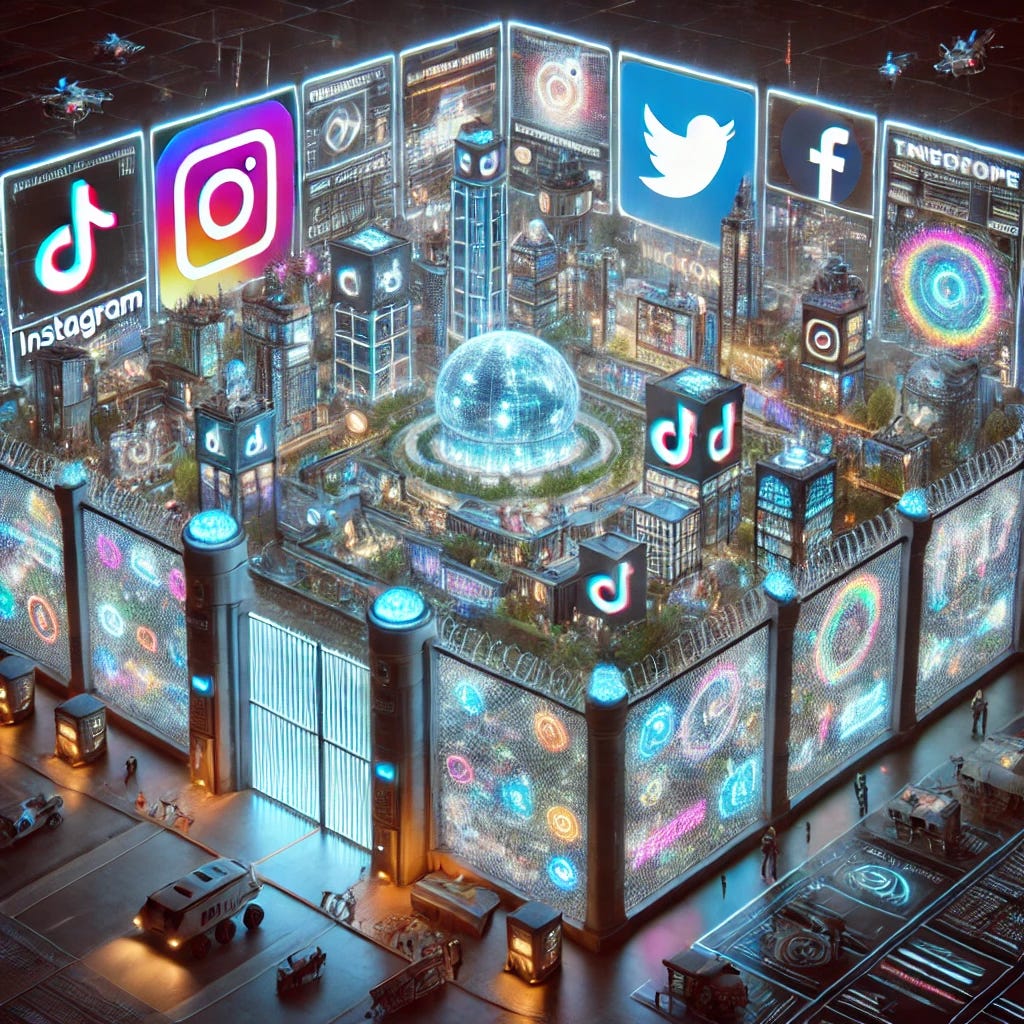
Imagine a neighbourhood not shaped by chance encounters or shared passions, but meticulously curated by digital platforms and corporate interests.
Listen to this essay
Narrated version
Imagine a neighbourhood not shaped by chance encounters or shared passions, but meticulously curated by digital platforms and corporate interests.
In today’s hyper-connected world, the communities we once formed naturally are now increasingly commodified, transformed into marketable assets to be bought and sold.
Subcultures, once symbols of rebellion and resistance, have gradually been repackaged into manufactured aesthetics and fleeting micro-trends. What began as bold statements of individuality are now redefined by brands and influencers to align with market demands.
For decades, society has celebrated personal branding and the pursuit of uniqueness as the ultimate ideals. Yet beneath this celebration of the “one-of-a-kind self” lies a more complex reality: our sense of community, once a spontaneous outgrowth of genuine human connection, is now being moulded for commercial gain.
This article will explore how the commodification of our communities, from subcultures to fandoms, has both empowered individuals and posed significant ethical challenges. We will examine how digital identities and communities are shaped by market forces, which tap into our collective desire for connection, while limiting the authenticity of those bonds.
As brands, social media platforms, and influencers increasingly profit from our need to belong, important questions arise:
How do our choices change when the very fabric of community is manipulated for profit?
Are we truly building genuine relationships, or are we merely part of a market that profits from our need to connect?
What ethical dilemmas come with reducing our deepest social bonds to economic assets?
In the following sections, we will explore the historical evolution of community, examine the digital transformation of our social landscapes, and delve into the ethical challenges posed by the commodification of belonging.
Historical and Psychological Foundations of Community

Our identities are not created in isolation; they emerge from deep, collective forces that have shaped human connection for thousands of years. In ancient times, religious communities, cultural rituals, and established social hierarchies defined who we were.
For example, medieval guilds and religious orders not only provided a way to earn a living but also built a shared sense of purpose that held communities together. Indigenous ceremonies and traditional festivals further reinforced these bonds, passing on shared values across generations. These natural, community-driven connections formed a blueprint for human interaction, a blueprint that still holds true today.
Modern science supports what history has long shown: humans are naturally wired to belong. Psychology and neuroscience reveal that our well-being depends greatly on connection, sometimes even more than on achieving personal success.
Social Identity Theory explains how we often take on the traits and values of the groups we join. Think about sneaker culture: beyond the shoes; it represents a lifestyle defined by shared values, exclusive events, and rituals similar to those of traditional communities.
Likewise, online platforms like Reddit and Mumsnet have become modern gathering places where niche interests and mutual support recreate the sense of belonging once found in face-to-face settings.
Our goals and desires are also influenced by the people around us, a concept known as Mimetic Desire. This idea is clear in today’s social media trends, where influencers and peer groups shape fashion, lifestyle, and even career choices.
Every post, like, and share contributes to a constantly evolving picture of who we are, often blurring the line between our true selves and our idealised images, which makes the search for authenticity more complex.
In short, although the ways we connect have changed, from in-person rituals to digital interactions, the basic human need to belong remains the same.
Modern market forces, however, have dramatically altered how this need is met.
Overall, our deep-rooted need for community, built over centuries and supported by psychological research, now faces the challenge of being commodified in the digital age. This tension between authentic connection and profit-driven models sets the stage for understanding how market forces continue to shape our identities and communities today.
Modern science confirms what history has long shown: humans are wired to seek connection. While our social identities were once shaped through communal rituals and physical gatherings, the deep-rooted psychological need to belong is now increasingly met through digital platforms. This shift has led to the rise of new forms of community, where subcultures, once born out of rebellion and resistance, are now often shaped by online spaces.
Subcultures: From Counterculture Movements to Manufactured Trends
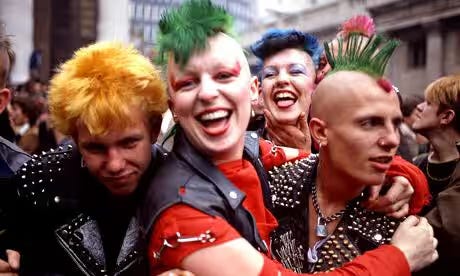
As society has evolved, so have the ways we express our identities. In the 20th century, subcultures emerged as powerful responses to mainstream norms; spaces where people could rebel, express themselves, and form alternative communities.
Many of these subcultures were born out of a deep criticism of capitalism and the way it shaped society—challenging consumerism, class structures, and the status quo.
Movements like the Beat Generation, punk, goth, and hip-hop were bold statements of defiance against the dominant capitalist-driven culture. They offered marginalised groups a chance to create their own cultural spaces, free from the constraints of mass consumerism and commercialised identity. These subcultures were about rejecting the commodification of human experience, and instead, celebrating individualism and authenticity.
The punk movement, for example, arose in the 1970s as a critique of capitalism’s influence on culture and society, rejecting the corporate-driven music industry and the consumerist lifestyle that dominated Western societies.

Similarly, hip-hop, emerging from the Bronx in the 1970s, was not only an expression of cultural pride but also a critique of systemic inequality and capitalist structures that disproportionately affected Black and Latino communities.
During this time, other vibrant movements also flourished. The LGBTQ movement used the power of identity to challenge mainstream expectations, while ballroom culture provided a safe haven for Black and Latino LGBTQ individuals through elaborate competitions that celebrated nonconformity and redefined beauty.

In the Caribbean, dancehall culture emerged as a strong outlet for self-expression, blending music, dance, and social commentary into a dynamic force that questioned dominant narratives. When dancehall crossed over to the United Kingdom with the Windrush generation, it found new life at events like the Notting Hill Carnival, where Caribbean rhythms mixed with British influences to celebrate heritage and resistance.
In America, hip-hop grew out of marginalised communities, using raw lyrical expression and creative art forms to challenge social inequalities and redefine what it meant to be oneself.
Originally, these subcultures were genuine responses to social pressures, creating spaces where uniqueness was celebrated and critique of capitalist structures was embedded in the cultural fabric. However, as their rebellious spirit caught the public eye, corporate interests began to see these movements not just as cultural expressions but as profitable assets.
In recent years, platforms like TikTok have played a crucial role in amplifying micro-trends, quickly turning niche subcultures into viral phenomena. What was once a carefully nurtured space for self-expression and rebellion is now subject to rapid commodification, as brands seize on trending aesthetics and styles to create marketable products. Subcultures that once thrived on their distinctiveness and criticism of capitalism are now repackaged by influencers and fashion brands, often stripped of their original context and sold to the masses as the latest “in” thing.
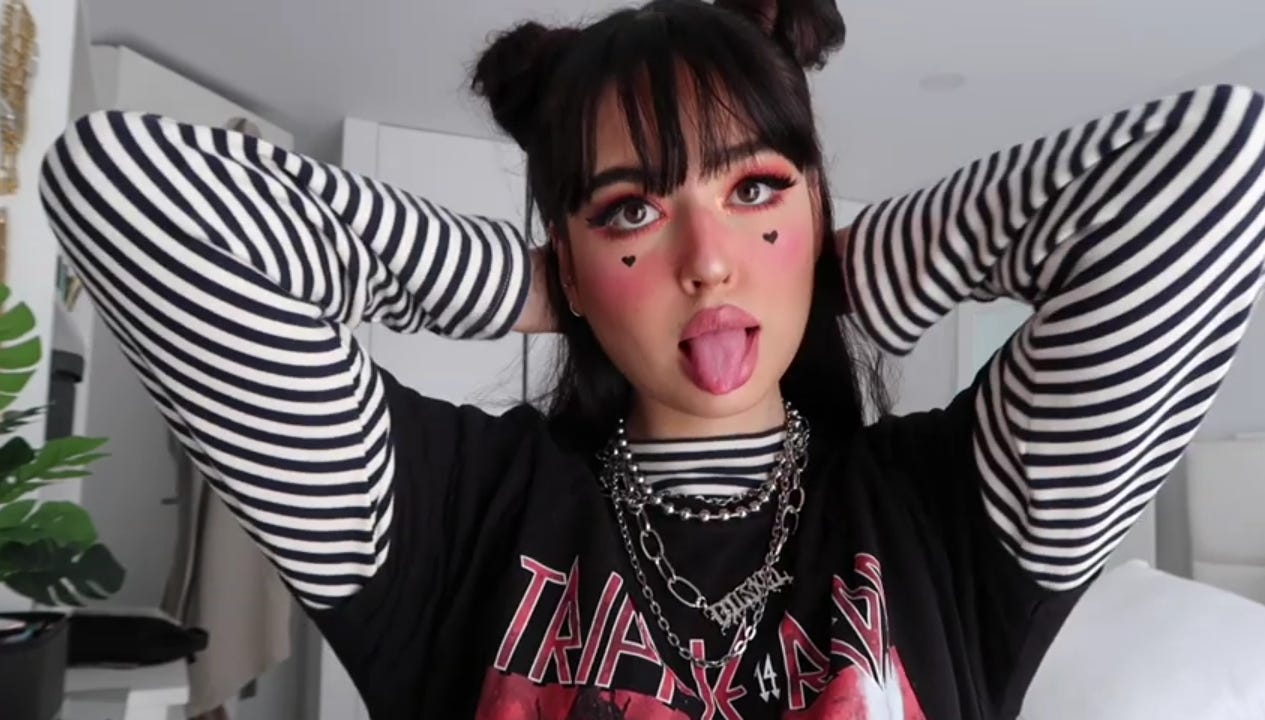
Take the rise of E-girl and E-boy aesthetics, which initially emerged as a combination of goth, anime, and skater styles on niche corners of the internet. Today, these aesthetics are plastered across high-fashion campaigns and beauty brands’ marketing materials, morphing into a mainstream look that some may find less authentic and more commercial. Similarly, the VSCO girl trend, which began as a laid-back beach aesthetic, was quickly co-opted by companies selling everything from Hydro Flasks to oversized T-shirts, transforming a personal style into a mass-marketable product.
This rapid shift raises important questions about the authenticity of these trends. When the rebellious energy of these movements, which were originally a critique of capitalism, is transformed for mass consumption, do we lose the very qualities that made them empowering in the first place? The rise of TikTok and its ability to make trends go viral within days demonstrates how quickly these subcultures can be commodified, leading to a tension between self-expression and commercialisation. What began as a niche community rejecting capitalist ideals can become a profit-driven spectacle in the blink of an eye.
Digital Commodification of Connection: How Market Forces Shape Our Sense of Belonging
Modern society increasingly turns our digital identities and communities into marketable products, treating our natural need for connection like a transaction.
This transformation touches nearly every part of our online lives.
For example, in what some call the "loneliness economy," capitalism pushes us to see ourselves as independent consumers rather than members of a community. Traditional support networks have been replaced by fleeting, market-driven interactions.
Social media platforms, originally designed to connect us, now use algorithms to create highly personalised echo chambers that turn genuine relationships into opportunities for targeted advertising.
This process raises an important question:
Are we really choosing our identities, or are they being engineered for us?
Consider real-world examples:
- In the United States, the rise of the gig economy through platforms like Uber and TaskRabbit has replaced stable, long-term employment with short-term tasks, fragmenting social ties.
- In the United Kingdom, growing loneliness has become a public health crisis, prompting government and community efforts to counteract a system that treats social interactions like commodities.
- Meanwhile, in Japan, the phenomenon of hikikomori (where young people withdraw from society) is compounded by a culture that values conformity and productivity over genuine community bonds.
- Additionally, in various online spaces, the “redpill” community exemplifies how isolation can be fuelled by loneliness, online radicalisation, and the allure of unconventional, sometimes hostile, digital communities.
These examples show that while the methods of capitalist exploitation are similar worldwide, their effects can vary greatly across different cultures.
This dynamic becomes even clearer when we compare centralised and decentralised social media. Early online spaces like Tumblr, Blackberry Messenger, or niche communities on Hi5 offered intimate settings for authentic self-expression.
Social media has developed into a structured hierarchy where genuine human connection is often replaced by the spectacle of performance. Early platforms promised intimate connections, but as giants like Facebook, Instagram, and YouTube emerged, the focus shifted toward mass appeal and audience engagement. In this environment, influencers serve as digital performers, carefully curating their personas to captivate vast audiences, while everyday users are increasingly reduced to spectators. The pressure to perform online means that authentic interactions are frequently sacrificed in the relentless pursuit of likes, shares, and viral moments, turning connection into a staged event rather than a genuine exchange.
In response to this trend, many users now seek refuge in decentralised platforms like Reddit and Discord. These spaces offer a more grassroots feel and encourage community-driven exchanges, although they too are not immune to the pressures exerted by overarching market dynamics. Ultimately, this shift highlights a paradox where social media, intended to bring people together, increasingly isolates them, turning connection into a performance rather than a genuine exchange.
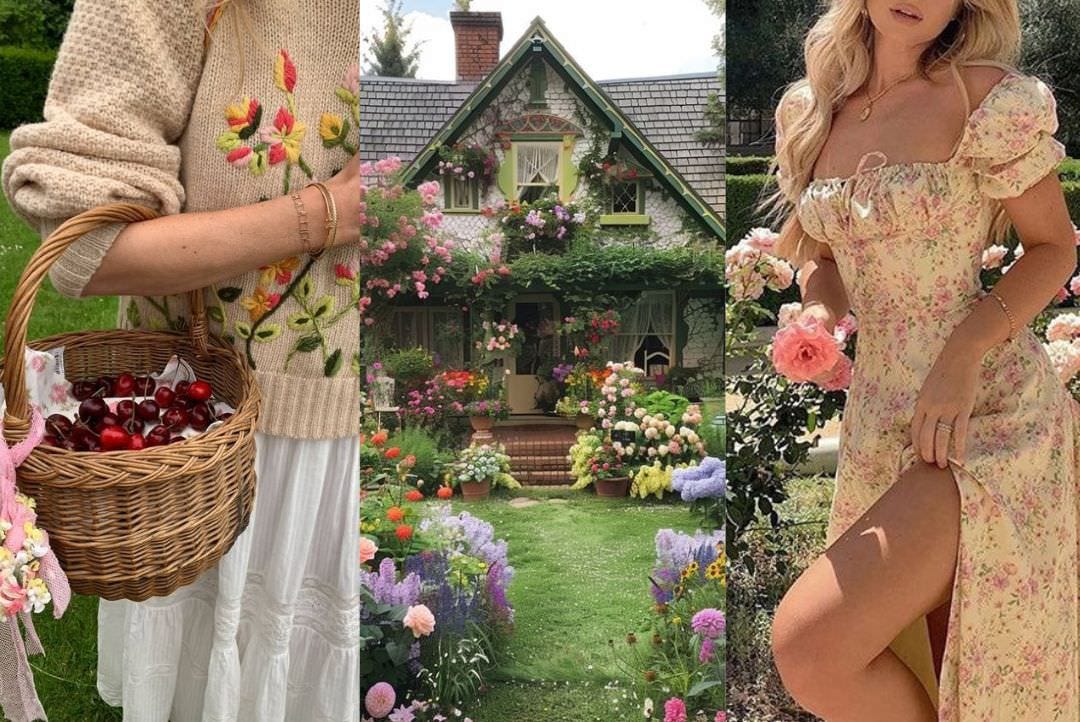
Similarly, even our aesthetic trends have not escaped commodification. Aesthetic trends like Cottagecore, Dark Academia, and Goblincore once carried elements of counterculture. However, these trends are quickly adopted and discarded by algorithm-driven marketing strategies. While they may offer a way to experiment with identity, they often end up as fleeting commodities designed merely to capture attention and drive sales.
This phenomenon extends into the world of fandoms and para-social relationships. Digital tribes (from passionate K-pop fandoms to dedicated sports supporters) create vibrant communities that celebrate shared identities. However, these communities are increasingly harnessed by brands, turning genuine passion into a marketable lifestyle. As fans engage in coordinated activities, the line between authentic admiration and engineered consumer behaviour becomes blurred.
Recent advances, such as AI-driven content and the explosive growth of short-form video platforms like TikTok, have only intensified these trends. They enable even more precise targeting and rapid trend cycles, leaving little room for sustained, authentic engagement.
Brands and the Business of Belonging
The self-help and health and wellness industry has evolved dramatically, offering everything from coaching sessions, wellness retreats, to life optimisation courses that promise personal transformation.

For many, these programs provide genuine support, creating safe spaces, such as group meditation sessions and online wellness communities, where people feel understood and empowered to overcome challenges.
However, the promise of transformation comes with a trade-off.
The same inspiring messages that encourage self-improvement are also used to turn personal growth into a marketable product. Catchy (and sometimes downright false) health claims and carefully curated success stories can simplify the rich, complex journey of self-improvement into something that is easily sold. This often puts subtle pressure on individuals to conform to an idealised version of well-being, turning personal challenges into another opportunity for profit.
Today’s brands go beyond selling products, they build entire communities that turn consumers into devoted, emotionally invested fans. This strategy not only boosts sales but also creates deep connections, encouraging people to invest their time, loyalty, and even parts of their identity in a brand.

Take, for example, Red Bull.
Red Bull markets itself as a lifestyle brand by sponsoring extreme sports events, music festivals, and adventure expeditions. These events immerse consumers in a world of adrenaline, camaraderie, and bold risk-taking. Fans who attend or follow these events online feel part of an exclusive tribe that values daring and adventure.
Some argue that these immersive experiences empower people by opening doors to opportunities and communities that might otherwise be out of reach, fostering both personal growth and social connection.
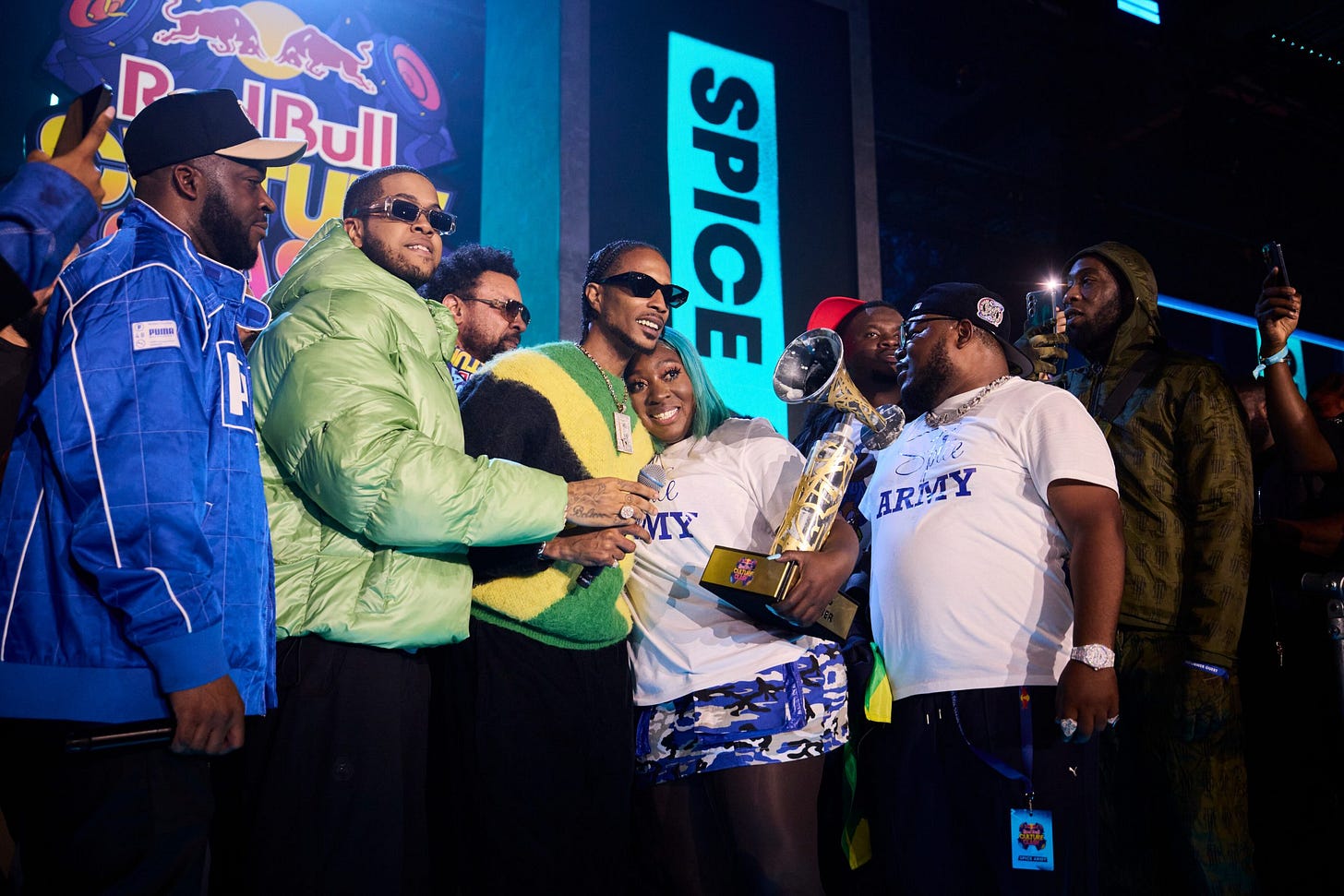
For instance, events like the Red Bull Culture Clash show how the brand creates a vibrant cultural space that goes beyond traditional marketing. Culture Clash not only highlights raw talent and innovative musical fusion but also has strong ties to Black culture, particularly Jamaican sound system traditions.
This mix of competition, cultural respect, and creative collaboration offers a unique chance for people to connect over shared passions, reinforcing the idea that identity and community can be shaped through carefully designed, experience-driven events.
In contrast, Disney leverages its storied past to cultivate magical, nostalgic communities. Through its theme parks, films, and merchandise, the company taps into cherished childhood memories and dreams, transporting audiences to realms of fantasy and family values. Shared traditions—from Disneyland outings to Comic Con gatherings—further unite communities around a common cultural language. While some critics argue that the commercialisation of nostalgia undermines authenticity, supporters contend that Disney’s ability to evoke fond memories provides comfort and continuity in today’s fragmented world, bridging generations through a shared cultural experience.
Similarly, Harley-Davidson has become more than a motorcycle company; it now stands as a symbol of freedom, rebellion, and rugged American spirit. By promoting an image of authenticity and non-conformity, Harley-Davidson has built a close community of riders who celebrate individuality. While some critics wonder if this exclusive community hides its commercial motives and limits wider access, many fans appreciate the empowerment and sense of belonging that comes from being part of a storied legacy of rebellion.
However, the modern digital landscape has brought forth new types of brands that create a sense of belonging, particularly in the influencer-driven space.
Take Glossier, for example. What started as a beauty brand has become a community-driven movement where fans identify as part of the "Glossier Girl" culture—a group defined not just by the products they buy, but by their shared values of inclusivity, individuality, and self-expression.
Glossier's marketing taps into the power of social media to create a sense of belonging, with users actively engaging in conversations and spreading the brand’s ethos online. Yet, beneath this authentic connection lies a significant business model that profits from the brand’s ability to turn personal identity into a product.
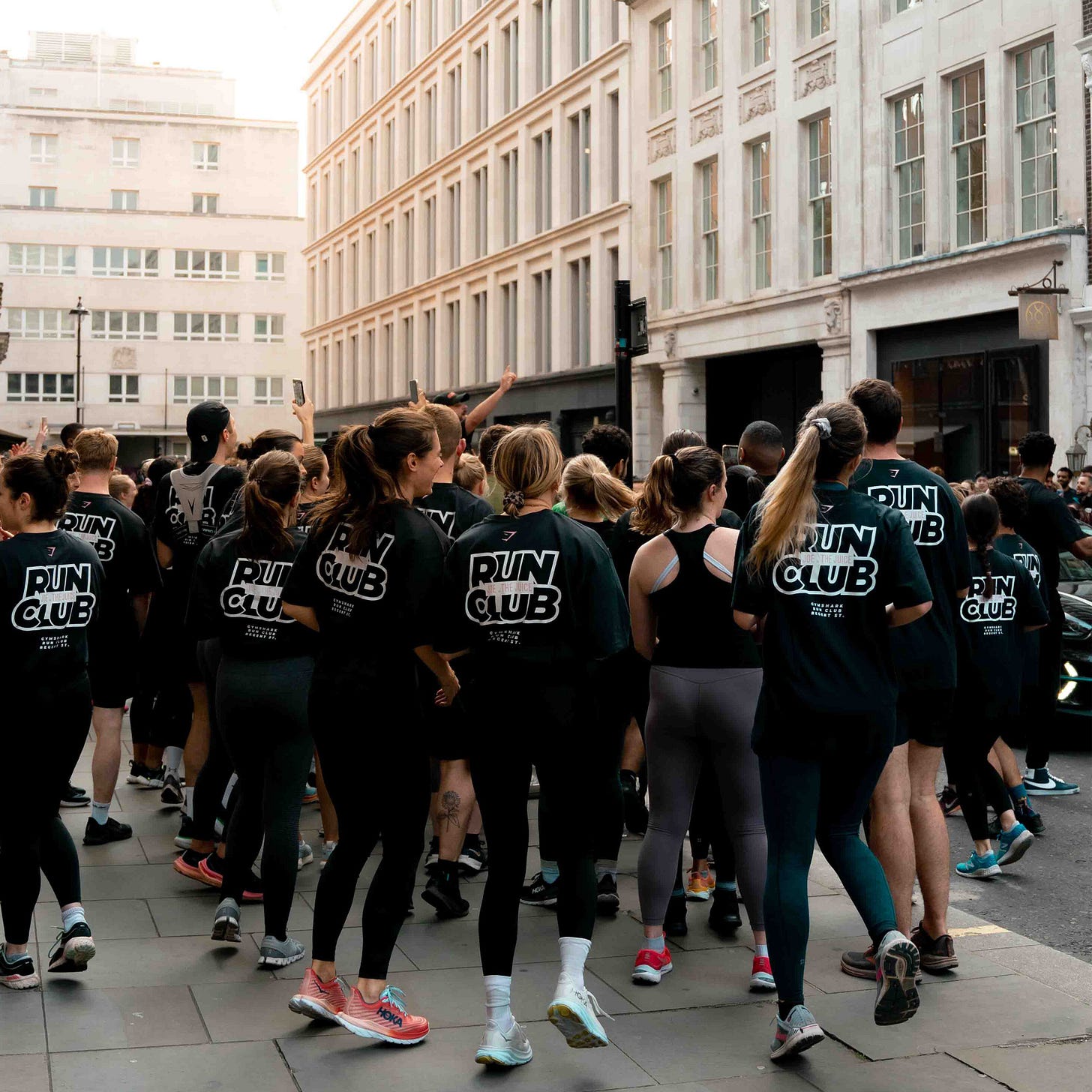
Gymshark, a fitness brand that started on social media, has cultivated a community of fitness enthusiasts who embrace both the brand and the lifestyle it represents. Gymshark's rise is powered by influencer partnerships and social media engagement, with consumers feeling a sense of camaraderie and motivation through the brand’s online presence.
The brand’s focus on building a loyal community, complete with brand ambassadors, hashtag campaigns, and fitness challenges, fosters a strong emotional investment.
Reflecting on these examples, it becomes clear that while brands successfully tap into core human needs—whether for adventure, nostalgia, rebellion, self-expression, or fitness—they also risk turning complex personal identities into simple, marketable products.
On one hand, curated experiences and personalised recommendations can empower people, help niche communities flourish, and drive innovation in self-expression. On the other hand, when commercial forces take over the intimate process of building community, the challenge lies in balancing the promise of genuine connection with the realities of profit-driven strategies.
Ultimately, we must ask: Are we sacrificing authentic self-expression and the rich diversity of our communities for the convenience of curated lifestyles?
And if so, what is the long-term cost to our cultural and personal identities?
Ethics in the Commodification of Digital Community

This process of community building is largely driven by data-based personalisation. Companies use user data to create echo chambers where our choices are constantly reinforced by algorithms. For example, a wellness app might suggest lifestyle changes based on your past behaviour, gently nudging you toward a specific image of well-being.
While this personalised approach can empower users by offering tailored support and nurturing niche communities, it can also limit personal freedom by turning our identity into a market asset where every decision is optimised for profit.
The ethical stakes grow when community trust is manipulated for profit or control. Consider multi-level marketing schemes, which take advantage of close-knit networks by preying on vulnerable individuals with promises of financial freedom, blurring the line between genuine support and exploitation. Similarly, when brands appropriate cultural symbols in marketing, they strip these symbols of their original meanings and repackage them as trendy products, often reinforcing stereotypes and deepening social divides.
In more extreme cases, toxic online communities, such as certain redpill or incel groups, exploit isolation to spread harmful ideas, while opportunistic movements that mix spiritual guidance with commercial interests prey on those searching for purpose. Grooming and radicalisation efforts further highlight how predatory practices can destabilise communities and cause long-lasting psychological harm.
However, this tension is not one-sided. Although market forces can distort authentic connection, curated identity products and personalised experiences can also empower marginalised voices by giving them a platform for real expression.
Ethical safeguards—like transparent data practices, community-led oversight (moderation), and clear regulatory guidelines, can help ensure that profit-driven models support, rather than exploit, our basic human need for belonging.
On one hand, market forces can create tailored, empowering experiences. On the other, they risk reducing genuine self-expression to profitable, predefined roles.
This section shows that as digital communities and identities become products in a profit-driven system, the ethical challenge remains: how can we balance the empowerment of personalised connection with the risks of exploitation while preserving the authenticity of our need to belong?
Conclusion
In our digital age, the way we build and share our identities has transformed dramatically. In the past, communities grew from face-to-face interactions, creative subcultures, and shared passions. Today, digital platforms and corporate interests increasingly shape our connections, turning our natural need to belong into something that can be bought and sold.
We’ve seen how grassroots movements once offered genuine spaces for self-expression. Yet, as social media evolved into a stage for carefully curated performances, even these authentic subcultures have been repackaged and sold. This shift has created an environment where loneliness is exploited by algorithms, and every aspect of our identity can be influenced by commercial interests.
The ethical challenges in this landscape are significant. From multi-level marketing schemes that take advantage of our trust to online groups that spread harmful ideas, the misuse of our need to belong raises serious concerns. When cultural symbols are co-opted and personal identities are turned into marketable products, we must ask:
Can genuine connection still survive in a profit-driven world?
Call to Action:
- For Users:Take an active role in shaping your digital experiences by improving your digital literacy. Learn how to critically analyse the media you consume, understand how data privacy works, and regularly review your privacy settings on social platforms. Seek out brands and communities that prioritise transparency, authenticity, and open dialogue, and consciously engage with platforms that are committed to genuine connection over profit-driven strategies. Additionally, consider diversifying your online presence by exploring decentralised platforms or those known for ethical practices.
- For Brands:Embrace a culture of transparency in how you use customer data and engage with your community. Go beyond transactional relationships by creating spaces where consumers can share feedback, feel heard, and interact authentically. Invest in long-term community-building initiatives that align with your brand values, whether it’s hosting local events or creating interactive online spaces that encourage real connection. Shift from exploiting your audience’s need to belong towards genuinely empowering them and adding value to their lives.
- For Policymakers:Enforce regulations that protect individual autonomy and privacy in the digital space. Develop policies that promote transparency in algorithmic processes, similar to the EU’s GDPR, and ensure companies disclose how they use personal data. Advocate for ethical standards that prioritise user well-being, and consider creating frameworks that safeguard against the exploitation of online communities, ensuring that digital environments support freedom of expression and protect users from manipulation.
By strengthening digital literacy, promoting transparency, and enforcing fair regulations, we can help counteract the commodification of identity.
Ultimately, it is up to all of us—users, brands, and regulators—to shape a digital future where genuine connection and diversity are celebrated, and community remains a source of strength rather than a commodity. Together, we can create spaces that truly foster belonging and authentic self-expression, ensuring that our evolving identities continue to empower us rather than being exploited for profit.
Subscribe now
Culture & Commerce
Get the next essay first.
Culture, brand power and influence, read straight from my desk. No spam, unsubscribe anytime.
Prefer Substack? Follow Culture & Commerce there.
Originally published in Culture & Commerce. Read the original post.