Jay-Z Is Selling Us Music We Already Own
Thirty years after Reasonable Doubt, Jay-Z has no new album to promote, yet his old music is generating stadium shows, physical products, exhibitions, documentaries and new commercial partnerships. JAŸ-Z30 is less interesting as a nostalgia campaign than as a demonstration of what happens when a catalogue spends decades accumulating meaning around it.
Listen to this essay
Narrated version
Jay-Z has not released a solo studio album since 4:44 in 2017, which should make what has happened this year particularly interesting to an industry increasingly organised around the assumption that relevance requires constant output.
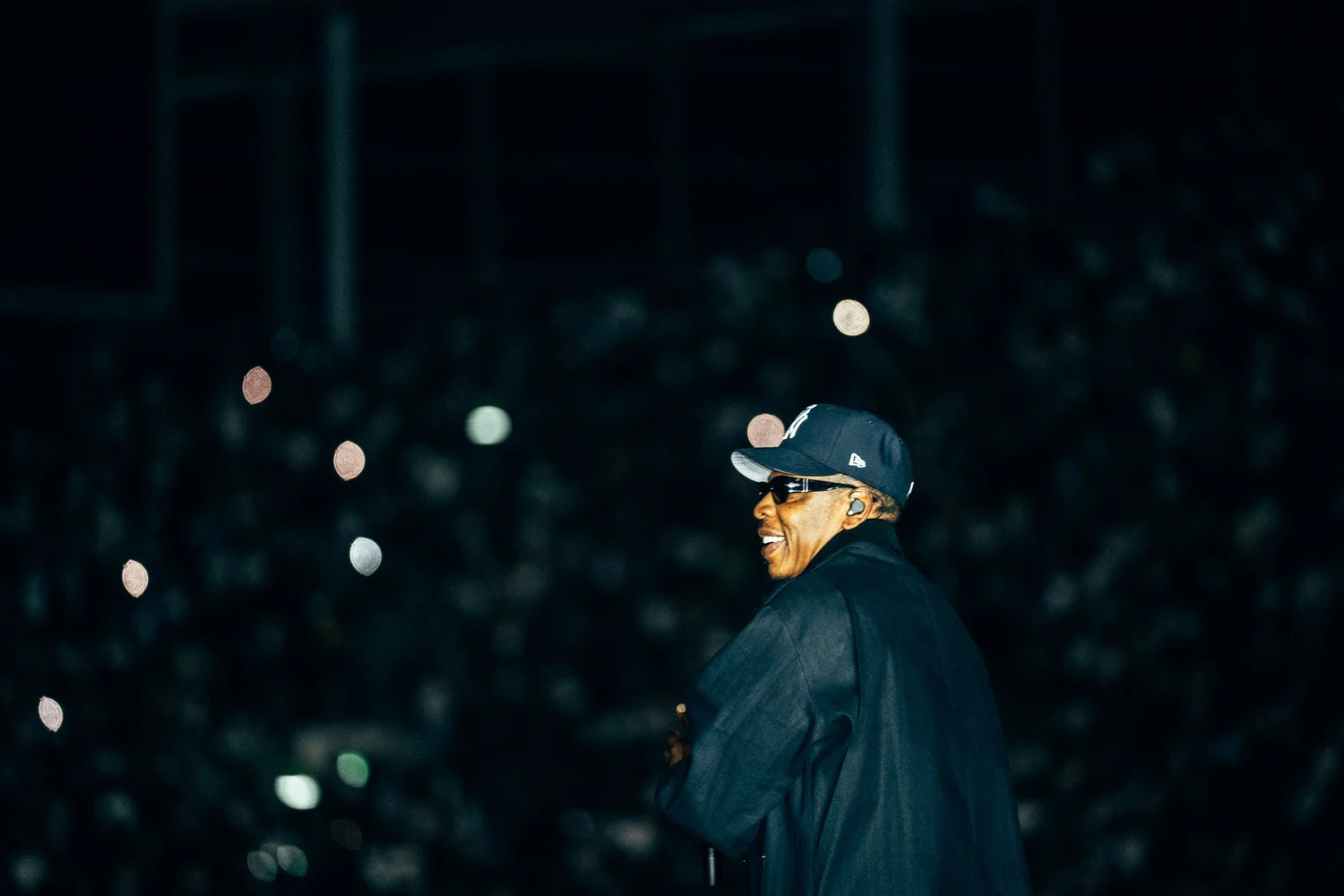
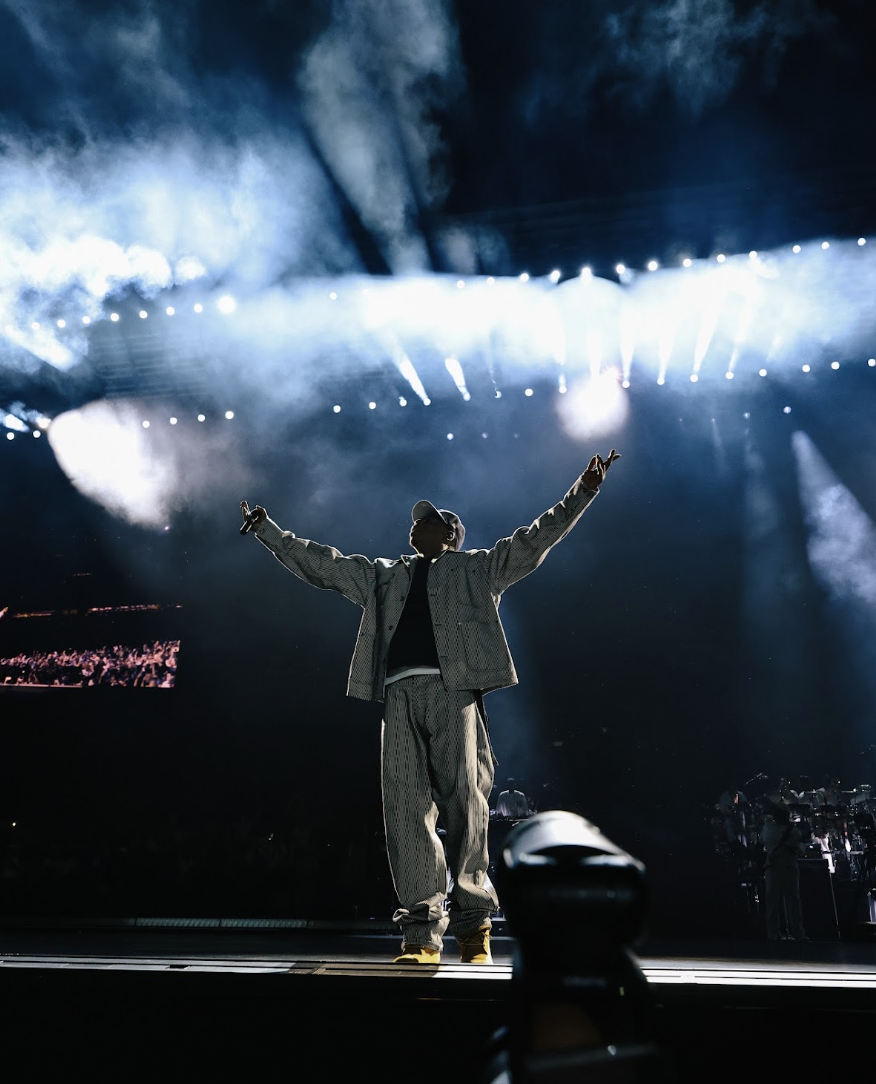
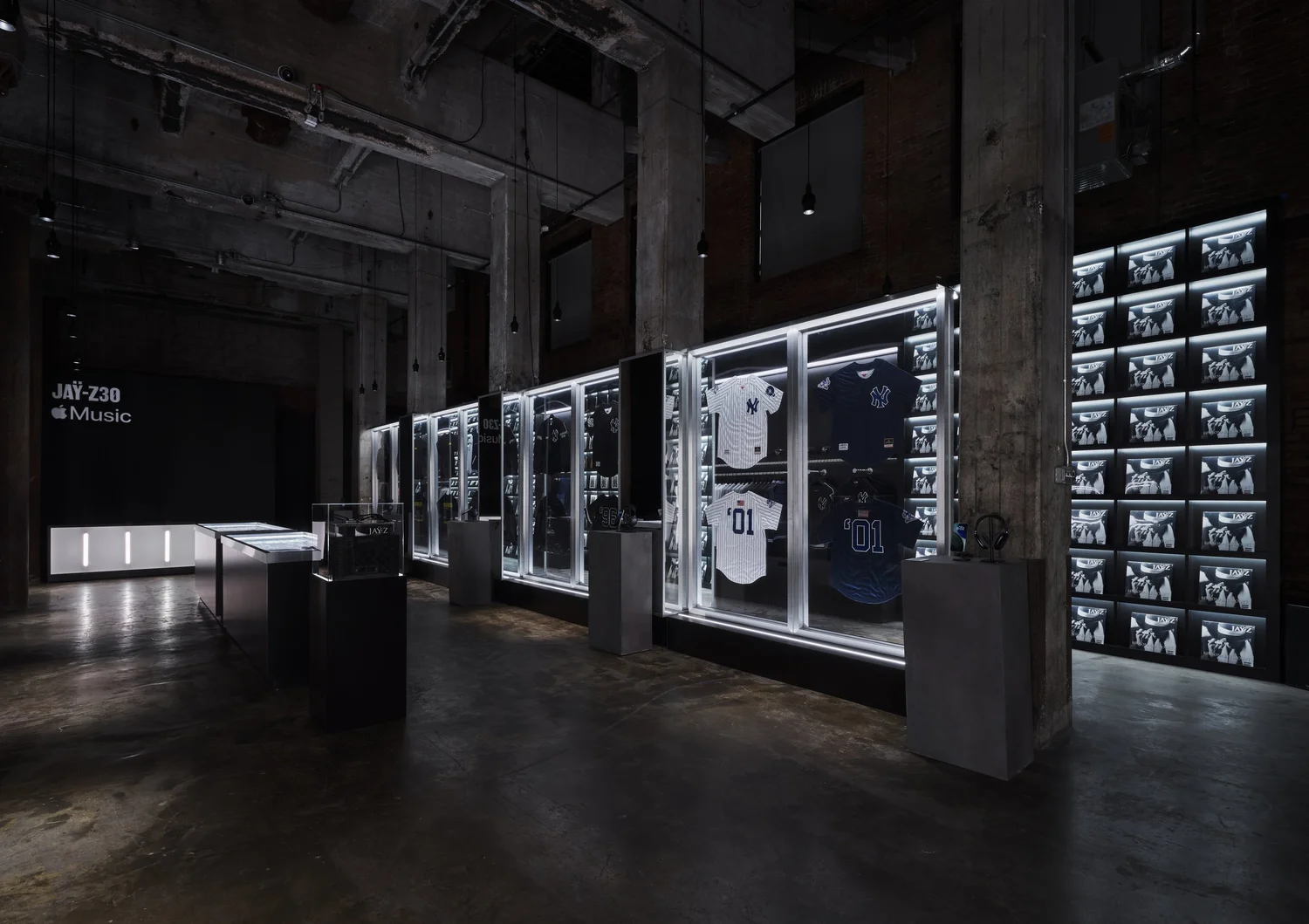
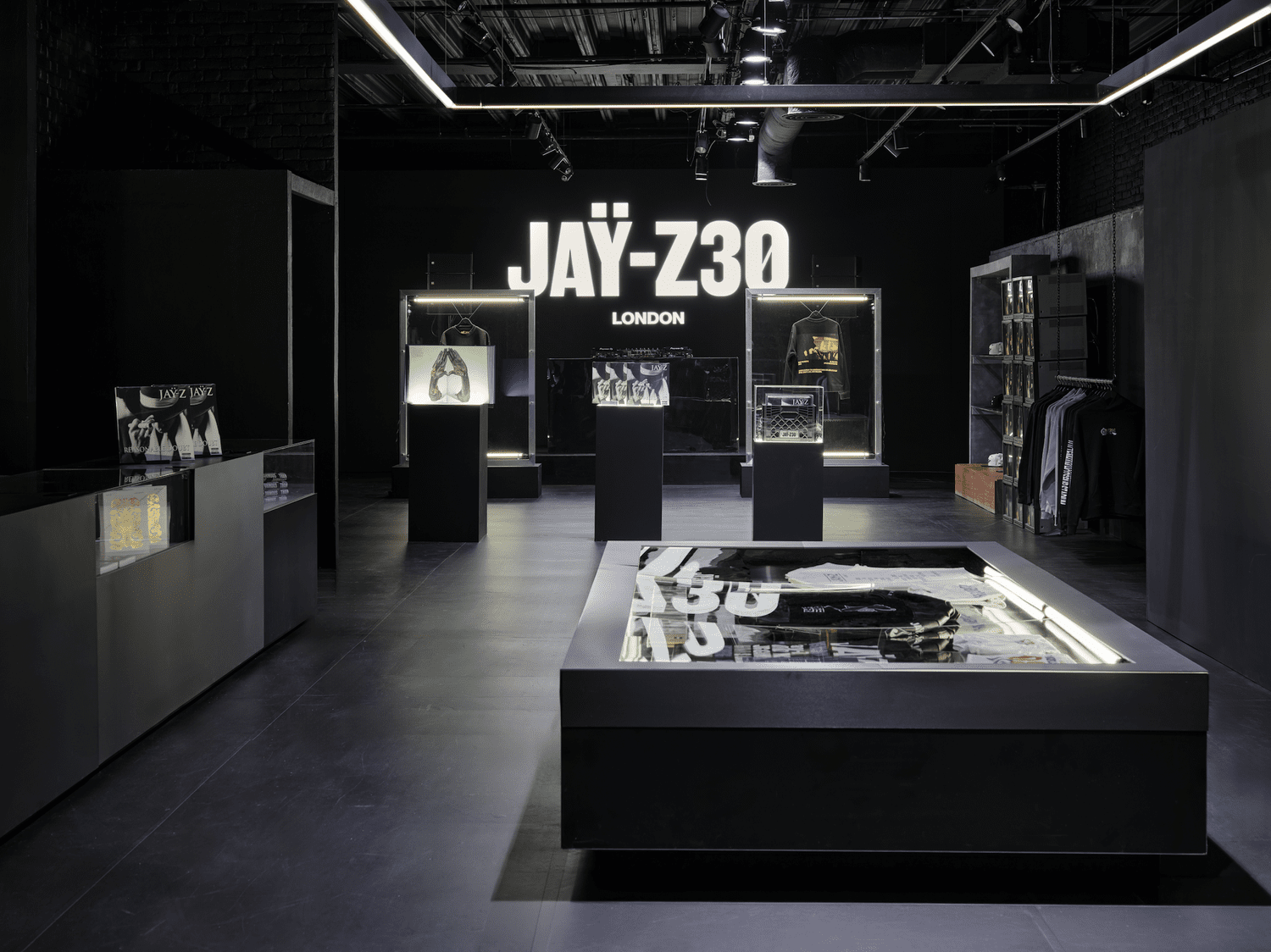
In 2026, three sold-out nights at Yankee Stadium were followed by two shows at Tottenham Hotspur Stadium, after the second London date was added due to demand. Paris and Los Angeles were also announced as part of the wider programme. Around those performances, Roc Nation has built a much larger anniversary ecosystem around thirty years of Reasonable Doubt and twenty-five years of The Blueprint, including physical reissues, New York activations, archive-led experiences, editorial and an upcoming eight-part Rick Rubin project for HBO.
The campaign is easy to explain as nostalgia. People grew up with Jay-Z, his appearances are relatively infrequent and an audience that first encountered these records twenty or thirty years ago now has more spending power than it did when they were released. None of that is particularly surprising.
What is more interesting is how a recording that is already available almost everywhere has become the foundation for an entirely new layer of commerce. Reasonable Doubt does not need to be rediscovered in a record shop or rescued from obscurity; anyone with a streaming subscription can hear it in seconds. The new value is being created around something to which access has already been solved.
That is where I think brand compounding becomes more useful than nostalgia as an explanation. A catalogue is not necessarily a fixed asset whose cultural meaning is established at release and slowly depreciates afterwards. Biography can change the way old work is interpreted, audiences can spend decades attaching their own memories to it, symbols can survive long enough to become cultural shorthand and institutions can eventually move the work from popular consumption towards heritage.
JAŸ-Z30 did not create those things. Its sophistication is in recognising that they have accumulated and finding ways of organising them commercially.
In this essay
Reasonable Doubt is not the same product it was in 1996
There is something revisionist about anniversary culture because we inevitably look at early work through everything we know came afterwards.
Reasonable Doubt did not arrive in 1996 carrying the weight it has today. Jay-Z was not yet one of the most commercially successful figures hip-hop had produced, and the businesses, partnerships and public mythology that now shape how we understand his early ambition did not exist when the album was recorded.
They exist when we listen to it now.
That matters because later success can alter the meaning of earlier work without changing the work itself. When a young rapper records extensively about money, ambition and ownership, those ideas are understood one way at the beginning of the career. Returning to the same material after decades of commercial success inevitably changes the context in which those claims are heard.
Roc Nation also changes the way Roc-A-Fella is remembered. What could once have been understood as one entrepreneurial chapter becomes part of a much longer pattern of Jay-Z repeatedly attempting to move closer to ownership and control.
The interesting point is not that Reasonable Doubt somehow became a better album because Jay-Z became richer. It is that Jay-Z's subsequent career added information to the album.
This happens across an archive. An early interview becomes more significant if the ambition expressed in it is later realised. A photograph from a small venue acquires different value once the artist graduates to stadiums. An early flyer that was disposable in the moment can become evidence of where a career began.
Catalogue economics tends to focus on measurable exploitation of the work through streaming, publishing, licensing and rights transactions. Cultural value is less tidy because events outside the recording can continue changing what that recording represents.
In that sense, Jay-Z's catalogue has appreciated alongside Jay-Z.
This is the part of brand compounding that I think contemporary artist marketing often misses. We are very good at asking how the next release can outperform the previous one, but less disciplined about asking whether a new achievement has increased the significance of anything that already exists.
Part of the value now belongs to the audience's history too
Jay-Z is not the only person who has spent thirty years adding meaning to these records.
Someone who first heard Reasonable Doubt in 1996 has lived most of an adult life since then. The album may now be attached to a city they no longer live in, friends they no longer see, a first job, a relationship, a particular period of ambition or simply an earlier version of themselves.
The music industry rarely accounts for this because there is no clean metric for it, but consumers continue to enrich cultural products with private meaning long after the original campaign has finished. The artist supplies the work; life supplies much of what the work eventually comes to mean.
That helps explain why nostalgia can command more than sentimental attention. When an audience returns to old music, it is not necessarily returning only to the artist's history. It may also be using the artist's work as a route back into its own.
There is a commercial consequence to that. Streaming can make access to the recording almost universal, but another artist cannot reproduce the personal history someone has attached to that recording over thirty years. A technically better song released tomorrow cannot become the song you first heard at twenty-one in 1996.
Some of the later value of catalogue is therefore co-created in a way that is difficult to separate neatly between producer and consumer. Jay-Z made Reasonable Doubt once. His audience has been continuously changing what the album means to them ever since.
When an anniversary campaign activates those memories, the audience is partly paying to encounter meaning it helped create.
The Roc survived Roc-A-Fella
The branding around JAŸ-Z30 becomes more interesting once you stop looking at it only as graphic design.
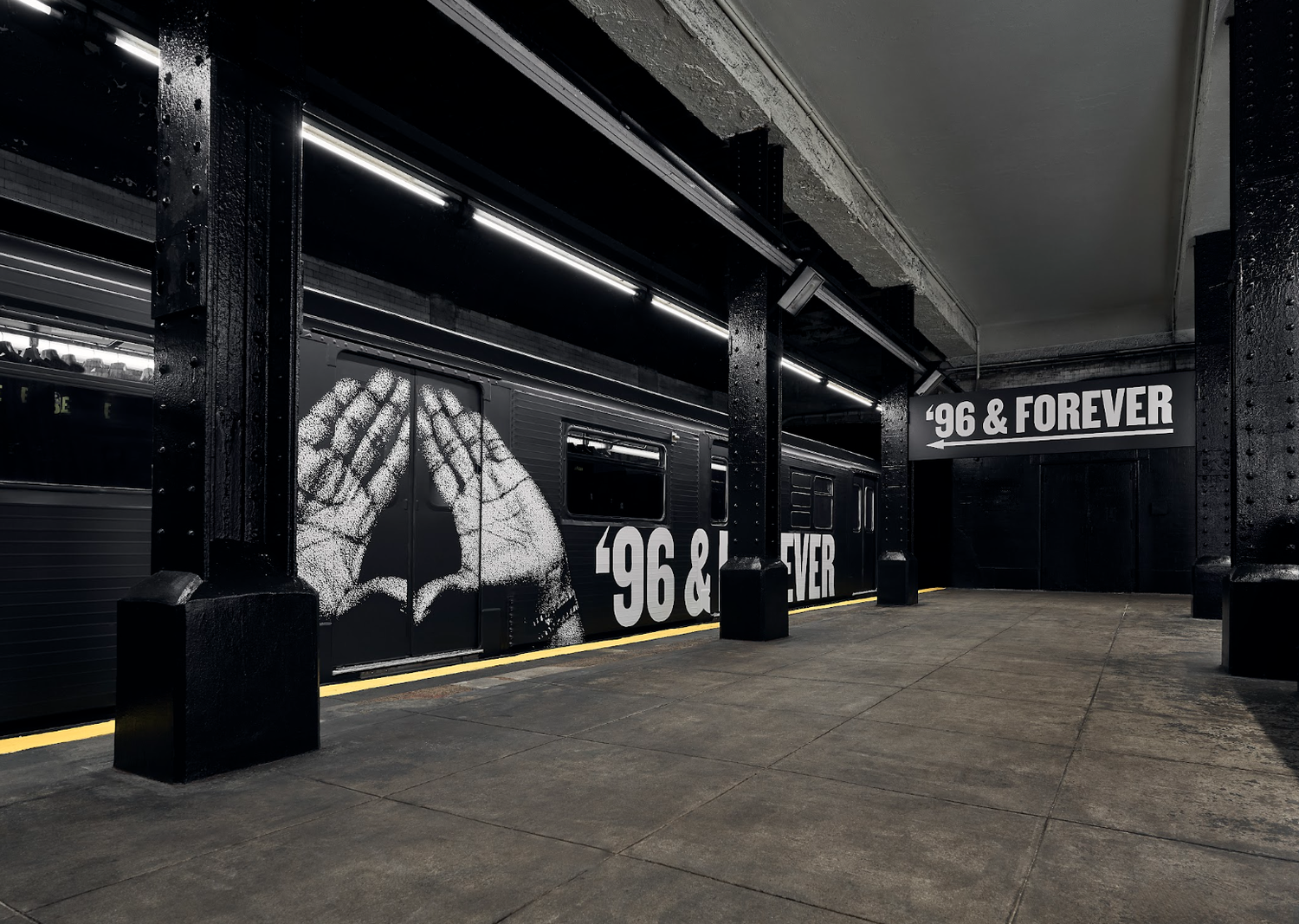
The old styling of JAŸ-Z has returned, immediately locating the campaign inside an earlier era of the career, but the Roc hand gesture is probably the better example of what long-term brand equity can become.
The Roc sign does something conventional logos rarely manage. The audience reproduces it physically.
A stadium full of people can form the diamond with their hands without the words Roc-A-Fella appearing on a screen and without anyone needing to explain what the gesture refers to. Its continued circulation does not depend on a paid placement every time it appears because knowledge of the symbol already exists within the audience.
That distinction matters because there is only so much control a company can exercise over what happens to a brand asset once it enters culture. Intellectual-property law can determine ownership and commercial rights, but it cannot require an audience to keep finding a symbol meaningful.
Roc-A-Fella's corporate history has changed considerably from the organisation that helped make the diamond synonymous with a particular period of hip-hop, while the gesture itself remains instantly recognisable. Its cultural life has lasted beyond the original commercial structure that produced it.
That suggests a distinction between owning a symbol and maintaining its cultural custody. One can be secured legally; the other depends on whether people continue to understand, repeat and transmit the reference.
The audience does not necessarily reproduce the Roc sign simply to say it likes Jay-Z either. For some, using it also communicates familiarity with a particular era, label and history within hip-hop. It can signal affiliation and cultural fluency as much as fandom, which helps explain why its meaning survived beyond any individual album campaign.
The revived JAŸ-Z typography, Marcy, Brooklyn, Yankees imagery and language such as “96 and Forever” sit within the same accumulated world. Roc Nation's anniversary programming deliberately returns to those references rather than inventing a completely new visual language for old work.
This is where the conversation about artist branding often becomes too superficial. Colours, logos, fonts and moodboards can create consistency, but they are not the same as iconography that an audience has spent years learning how to read. A design team can create the former. The latter requires cultural participation.
The Roc
“The Roc became unusually powerful as a brand asset because the audience could reproduce it without owning or wearing anything.”
A company can own a trademark. Only culture can decide whether a symbol stays legible.
New York works because the relationship existed before the campaign
The New York activations extend the same principle beyond a symbol and into geography.
On 25 June, thirty years after Reasonable Doubt was released, Roc Nation launched a series of citywide activations that included special-edition Brooklyn Public Library cards, custom subway maps, pop-ups, merchandise, fireworks and other experiences across New York. Those activations led into the three-night Yankee Stadium run in July.
The significance of the locations was built long before anybody planned JAŸ-Z30. Brooklyn, Marcy and New York have been embedded in Jay-Z's music and biography for decades, while Yankee imagery has become part of the visual vocabulary associated with him.
That prior relationship is what gives the activation credibility.
The second Yankee Stadium show, built around twenty-five years of The Blueprint, sold 45,832 tickets and set a venue concert-attendance record, according to Roc Nation's campaign reporting. The third night being called Extra Innings was a relatively small creative decision, but it demonstrates why place becomes more useful when it is allowed to contribute to the story rather than merely accommodate the audience.
Another artist could hire the same stadium or execute a similar transport activation. The mechanics would be replicable; the accumulated relationship would not.
That is what makes place interesting as a cultural brand asset. It does not have to be owned to contribute value, but the association has to have existed long enough for the audience to believe it.
The Book of HOV is where catalogue starts becoming heritage
If there is a point at which Jay-Z's career begins functioning explicitly as an archive, it predates this anniversary.
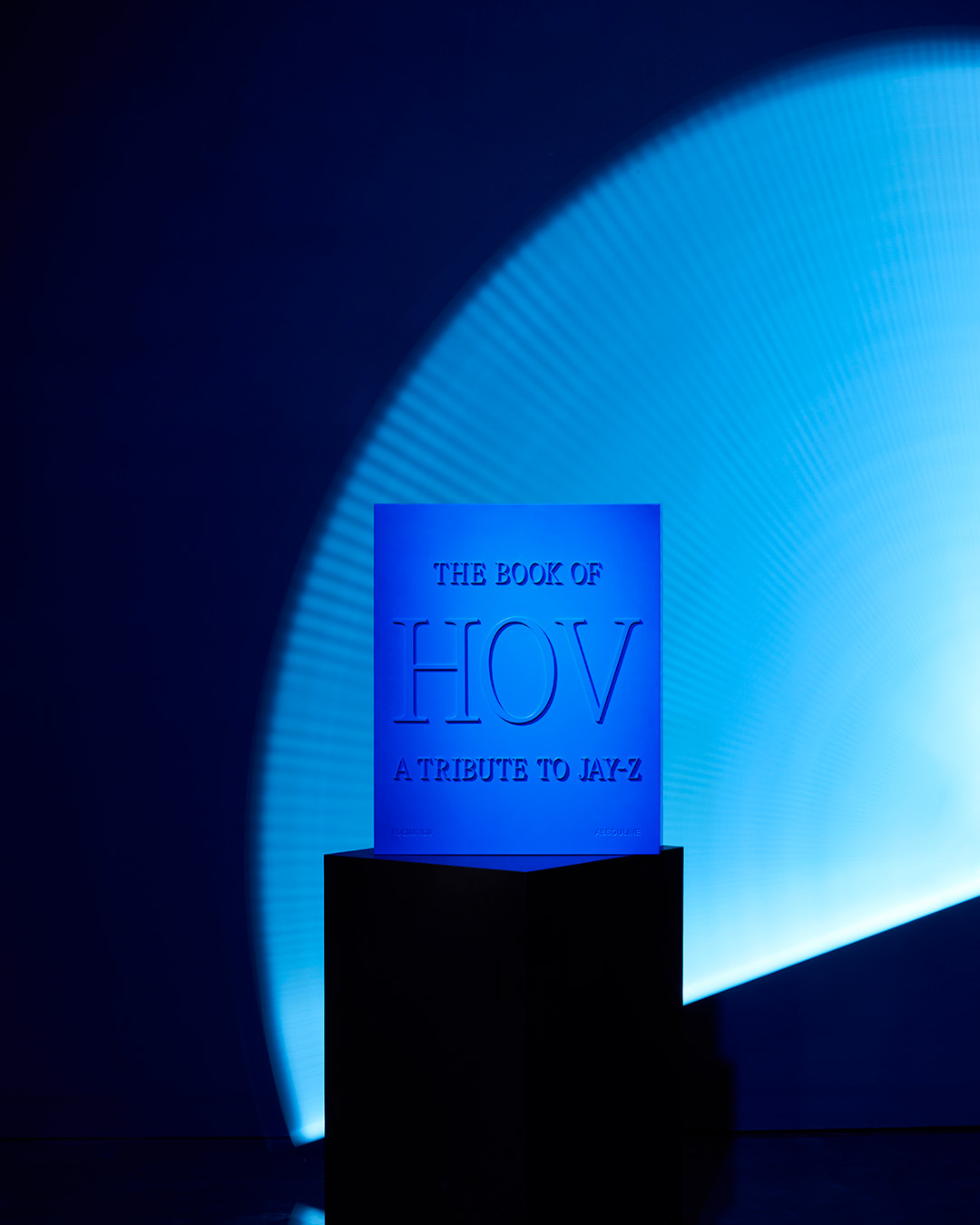
In 2023, The Book of HOV occupied two floors of Brooklyn Public Library and brought together images, art and ephemera from Jay-Z's archive. Brooklyn Public Library says the exhibition attracted more than 600,000 visitors during its run and increased attendance at Central Library by 74 percent. Tens of thousands of HOV library-card accounts were also created around the project.
The attendance figures are impressive, but the institution itself is more relevant to this argument.
A streaming platform can tell us that an old record is still being consumed. A public library exhibition participates in making a different claim about the work: that it belongs within a cultural record worth preserving and contextualising.
That is where I think it becomes useful to distinguish catalogue value from heritage value.
Catalogue value is largely concerned with the continuing utility of the work: how often it is streamed, licensed or purchased, and what somebody might pay to control the rights attached to it. Heritage value emerges when the work acquires historical significance that is no longer dependent on whether it is currently performing well in the market.
Once that transition begins, the commercial possibilities around the same material expand. An archive can support exhibitions, documentary, books, commemorative products, education, new licensing contexts and physical experiences that would be difficult to build around a catalogue whose only remaining claim is that people occasionally still stream it.
There is, however, a complication that matters.
The Book of HOV was not an accidental institutional discovery of Jay-Z's importance. Brooklyn Public Library describes it as an installation created by Roc Nation, with curation from Roc Nation teams and partners.
That makes the process more interesting, not less.
Powerful artists and organisations do not have to wait passively for cultural institutions to decide that their work deserves historic treatment. They can help produce, finance, curate and frame the conditions under which that institutional recognition happens.
The question then becomes less straightforward than whether The Book of HOV proves Jay-Z has heritage. It also asks how heritage is produced in the first place, who has the resources to participate in that process and how much institutional recognition reflects a pre-existing cultural consensus versus sophisticated heritage marketing.
Those things are not mutually exclusive. Cultural heritage has always involved decisions about what gets collected, funded, contextualised and preserved. Jay-Z simply has unusual power to participate in making those decisions about his own history.
That may be one of the most consequential advantages in the entire JAŸ-Z30 strategy.
A cassette tells us what is actually being sold
The anniversary products make the relationship between access and scarcity even clearer.
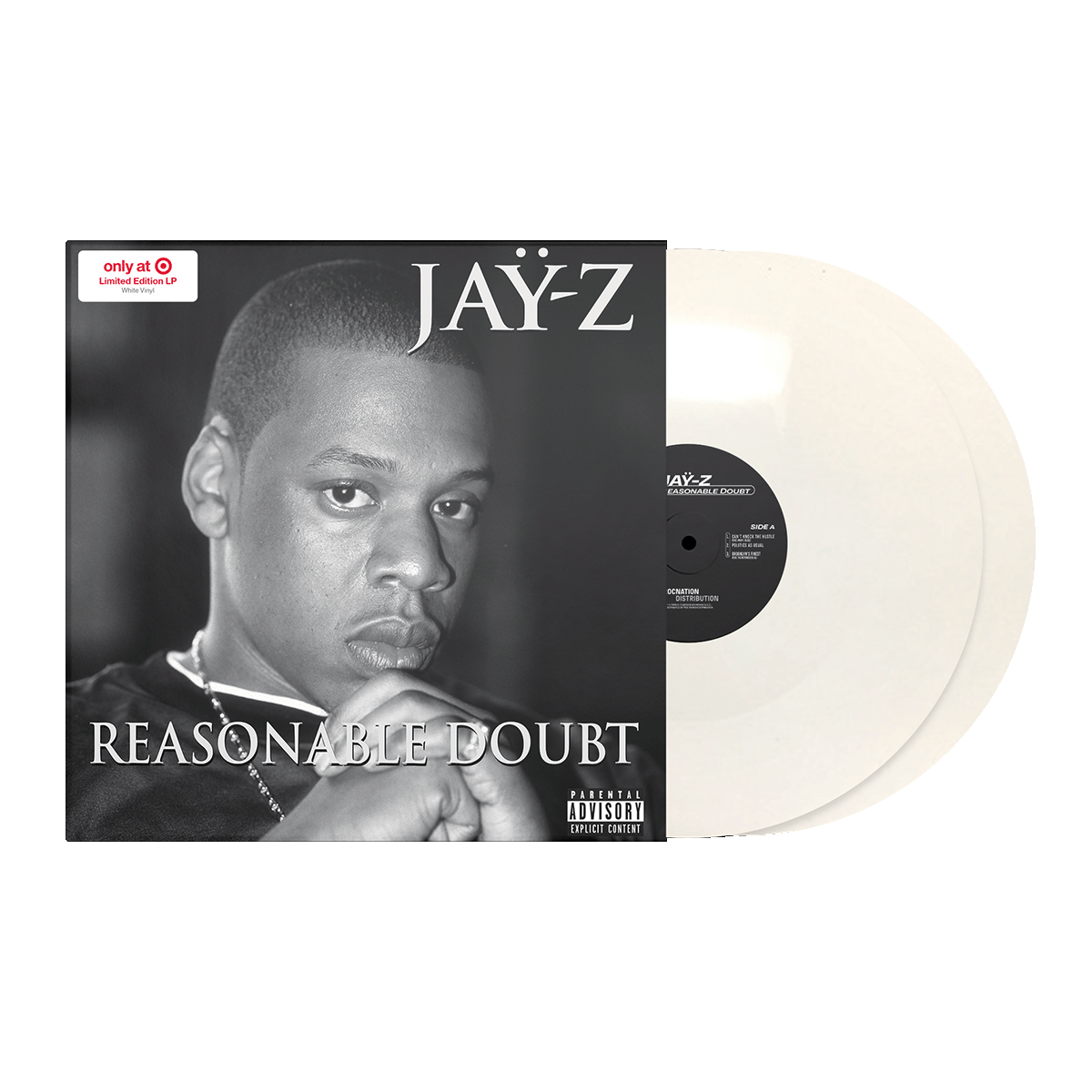
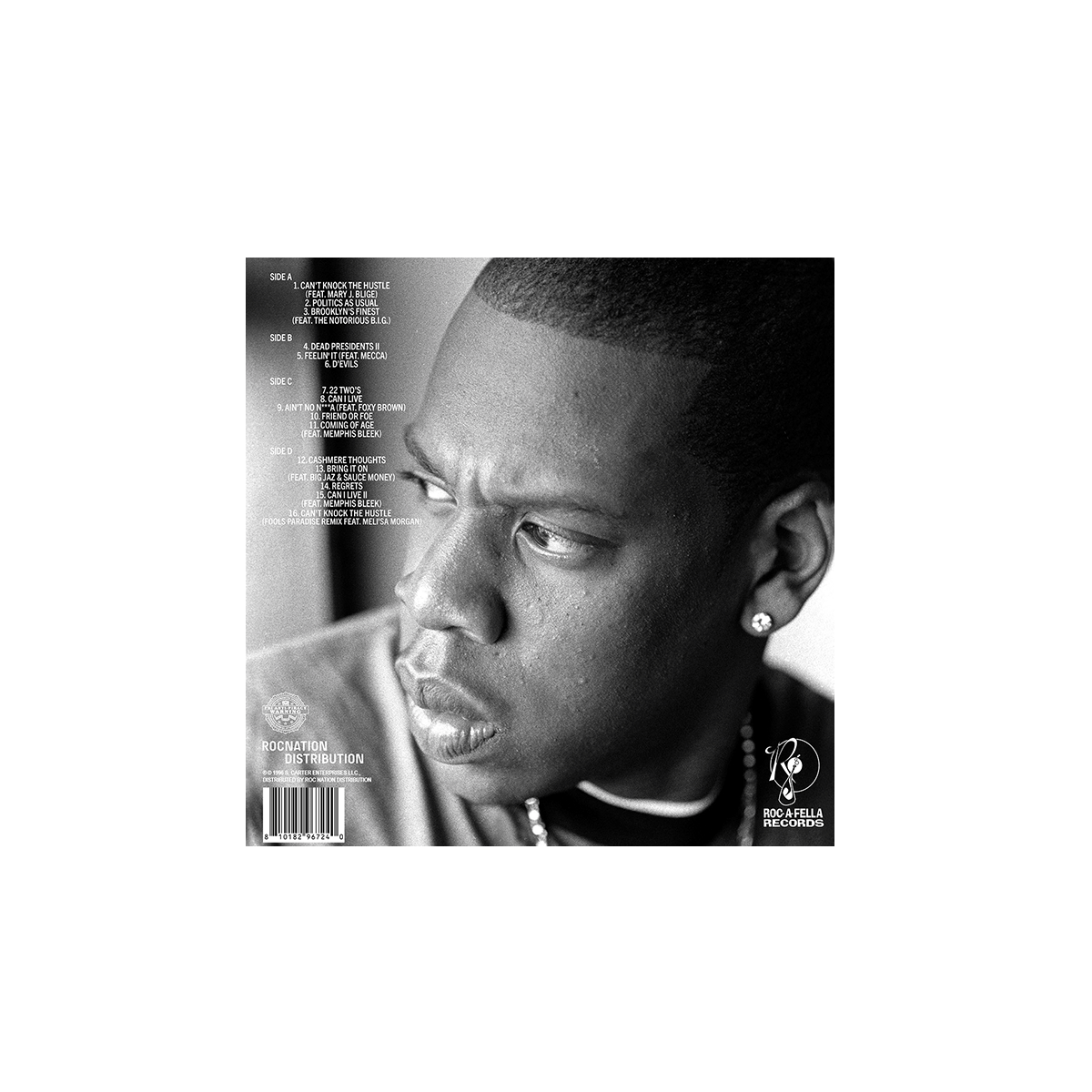
Target currently sells a 30th-anniversary Reasonable Doubt range that includes a white-vinyl Target exclusive with alternative packaging and a collectible insert, alongside standard vinyl, CD and cassette formats. The products are credited to S. Carter Enterprises LLC / Roc Nation Distribution.
The cassette is particularly useful because it makes the consumer proposition difficult to misunderstand. Very few people need a cassette in 2026 in order to hear Reasonable Doubt. Streaming offers easier access and better practical utility.
The cassette is valuable because it is an object attached to the anniversary.
That matters in a market where the recording itself has become abundant. Once almost everybody can access the same song, scarcity can be recreated through edition, packaging, provenance, location, occasion and physical ownership.
A first pressing can signify that somebody encountered the work early. A concert product can document attendance. An anniversary edition allows somebody to materially possess a moment that would otherwise exist as a stream, photograph or memory.
This is also where “merchandise” begins to feel like an inadequate description of everything being sold around legacy. Merchandise normally derives most of its relevance from the active campaign. Memorabilia can gain significance precisely because the original moment is over and cannot be repeated in exactly the same form.
Age does not always depreciate the right cultural object. Sometimes it provides the reason the object is valuable.
There is a related form of scarcity around Jay-Z himself. His recent GQ interview was notable partly because he had given relatively few substantial interviews in recent years. The eight-part Jay-Z in 8 project with Rick Rubin therefore arrives into an environment where the music is readily available but extended access to Jay-Z's own reflections is comparatively unusual.
That distinction should not be turned into generic advice that every artist ought to disappear. Scarcity only becomes commercially useful when there is enough demand for the absence to be noticed. In Jay-Z's case, however, the catalogue can remain culturally available while the person behind it is considerably less accessible.
The physical relationship
Streaming solved access to the recording.
The new product is the physical relationship with the history.
Target complicates the ownership story
The Target partnership is where the wider anniversary raises a different Culture & Commerce question.
Jay-Z's public business mythology has been closely tied to ownership for decades. Against that backdrop, the decision to release an exclusive Reasonable Doubt anniversary vinyl through Target attracted criticism because the retailer had been the subject of a Black consumer backlash following its rollback of several diversity initiatives. Some boycott organisers declared their campaign over in March 2026 after Target renewed commitments including its pledge to invest in Black-owned businesses, while other consumers and activists continued to reject the idea that the dispute had been resolved.
The controversy subsequently entered Jay-Z's own performances. During the Yankee Stadium run, he responded to accusations that he had “sold out” through a freestyle, arguing in part that consumers criticising Target continued to use other large corporations and were applying boycott politics selectively.
That response actually makes the commercial question more interesting.
The easy criticism would be to ask why Reasonable Doubt was not distributed through Black-owned independent record stores instead. It is emotionally satisfying but economically incomplete.
Target offers national retail infrastructure and consumer reach that independent stores cannot reproduce collectively at the same scale. The fact that S. Carter Enterprises / Roc Nation Distribution is credited on the release also demonstrates why ownership and retail distribution should not be collapsed into one concept.
An artist can own the underlying cultural asset while using infrastructure owned by somebody else to maximise its commercial reach.
The more difficult question is whether those two routes had to be mutually exclusive.
An anniversary campaign built so heavily around Black entrepreneurial mythology could conceivably have used mass retail alongside limited allocations, events or editions designed specifically for independent Black-owned retailers. We do not know the contractual restrictions around the Target agreement, so pretending there is an obvious answer would turn a structural question into an accusation we cannot substantiate.
What the controversy does expose is the difference between ownership of intellectual property and ownership of the wider infrastructure required to monetise it at scale.
The first has become central to Black cultural discourse. We routinely ask who owns the master, the publishing and the company. The second is more difficult because it involves retail networks, distribution systems, platforms, payment infrastructure, venues and capital structures that no individual artist can simply decide to recreate.
A Black-owned master does not stop being Black-owned because it sits on a Target shelf. At the same time, individual ownership of cultural IP cannot, by itself, solve the concentration of the commercial infrastructure through which that IP has to move.
Jay-Z's Target deal does not resolve that contradiction, but it makes it unusually visible.
His career has spent decades encouraging people to ask who owns the asset. The anniversary raises the additional question of who owns the systems that allow the asset to reach scale, and how much of the value created around Black culture can realistically remain within Black-owned infrastructure when so much of that infrastructure does not yet exist at comparable scale.
That is a larger problem than one vinyl deal, which is precisely why it is more interesting than deciding whether Jay-Z personally passed or failed an ownership test.
The anniversary did not create the legacy
The least interesting conclusion to draw from JAŸ-Z30 would be that old music can still make money. The music industry has had decades of legacy touring, deluxe editions and catalogue exploitation to establish that.
What feels more consequential is the number of different kinds of value that now sit around the same recordings.
Reasonable Doubt carries thirty additional years of biography that did not exist when it was released. Its audience has attached private histories to the record that Jay-Z could never have manufactured himself. The Roc sign has remained culturally legible even as the business structure associated with it changed. New York contributes credibility because the relationship between artist and place existed long before the anniversary. The Book of HOV demonstrates how an artist's catalogue can move towards institutional heritage, while physical products create new scarcity around recordings whose basic access has become almost unlimited.
Those layers did not emerge from one brilliant 2026 marketing meeting. Some were commercially constructed, some were preserved deliberately and others developed organically through the relationship between the artist, the audience and the wider culture.
What JAŸ-Z30 does particularly well is bring them into the same commercial architecture.
That is why the album can support new products and experiences without becoming new music. Its meaning has continued to change because the career, the culture around it and the lives of the people listening to it have continued changing too.
Jay-Z is therefore not simply persuading an audience to buy the same record twice. He is selling new forms of access to everything that has accumulated around the record since the first transaction.
The distinction is important because it changes what legacy branding actually means. It is not the process of making old work look contemporary enough to sell again, nor is it something that can be manufactured once an anniversary appears on the calendar. It depends on whether a career has accumulated enough story, symbolism, documentation, audience memory and cultural significance for the past to have a commercial life beyond the original product.
JAŸ-Z30 did not manufacture thirty years of legacy. It found a way to organise it.
The anniversary did not create the legacy. It made the structure of that legacy visible.
Culture & Commerce Case Study
What This Looks Like at a Different Scale: Timaya Day UK
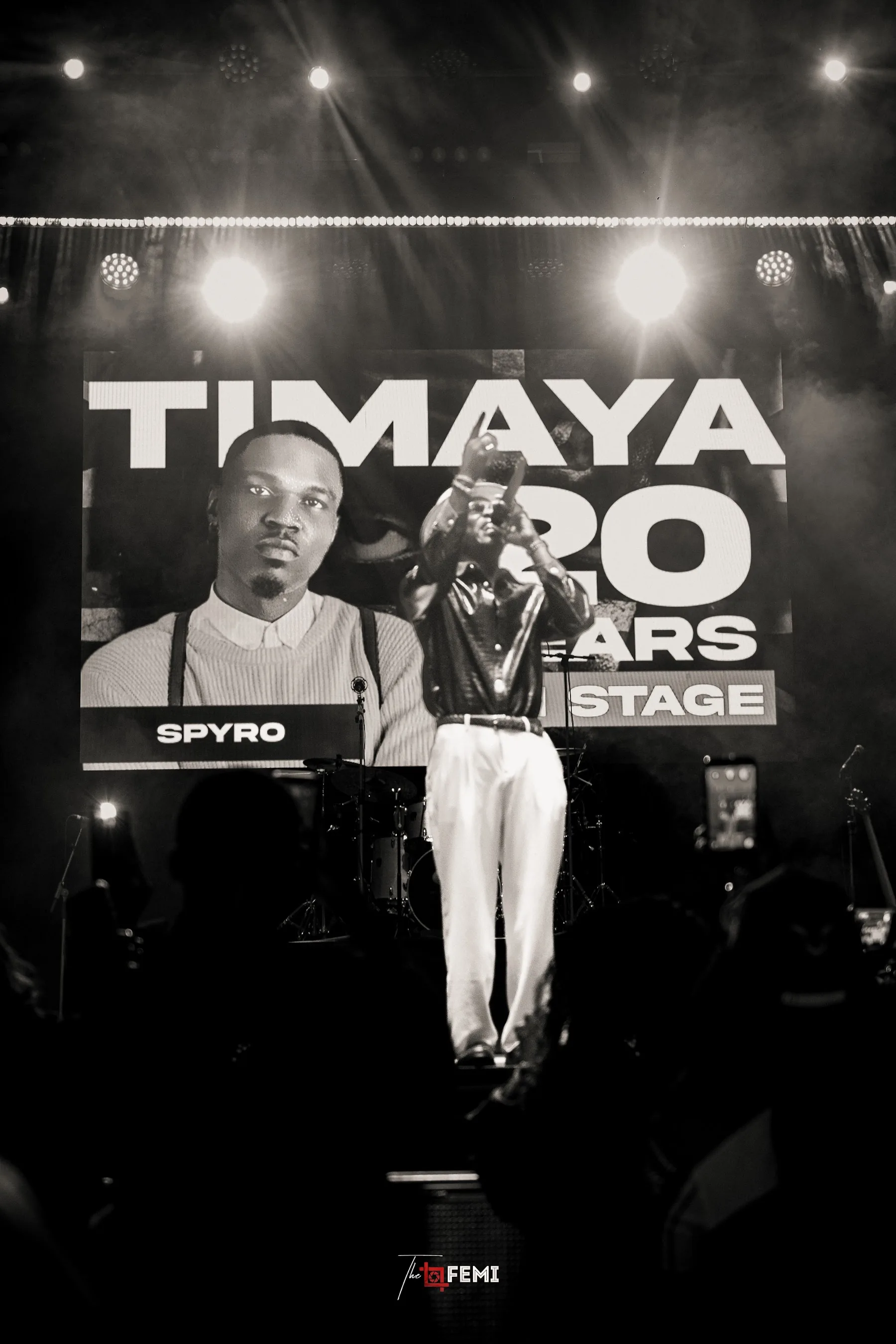
Timaya Day operated at a completely different commercial scale from JAŸ-Z30, but the underlying principle is useful. The proposition was not simply that Timaya was performing in London. The event was framed around the career itself.
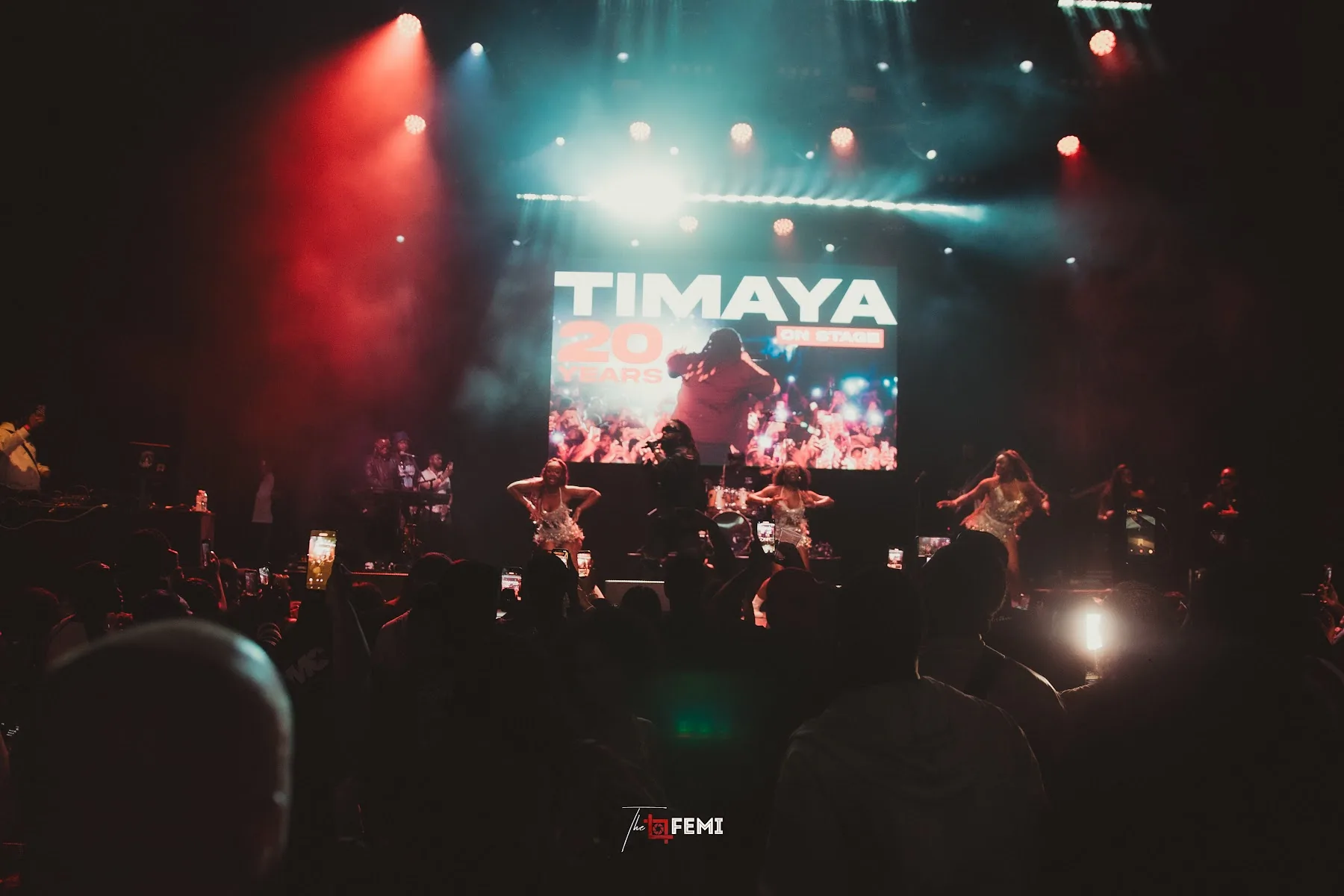
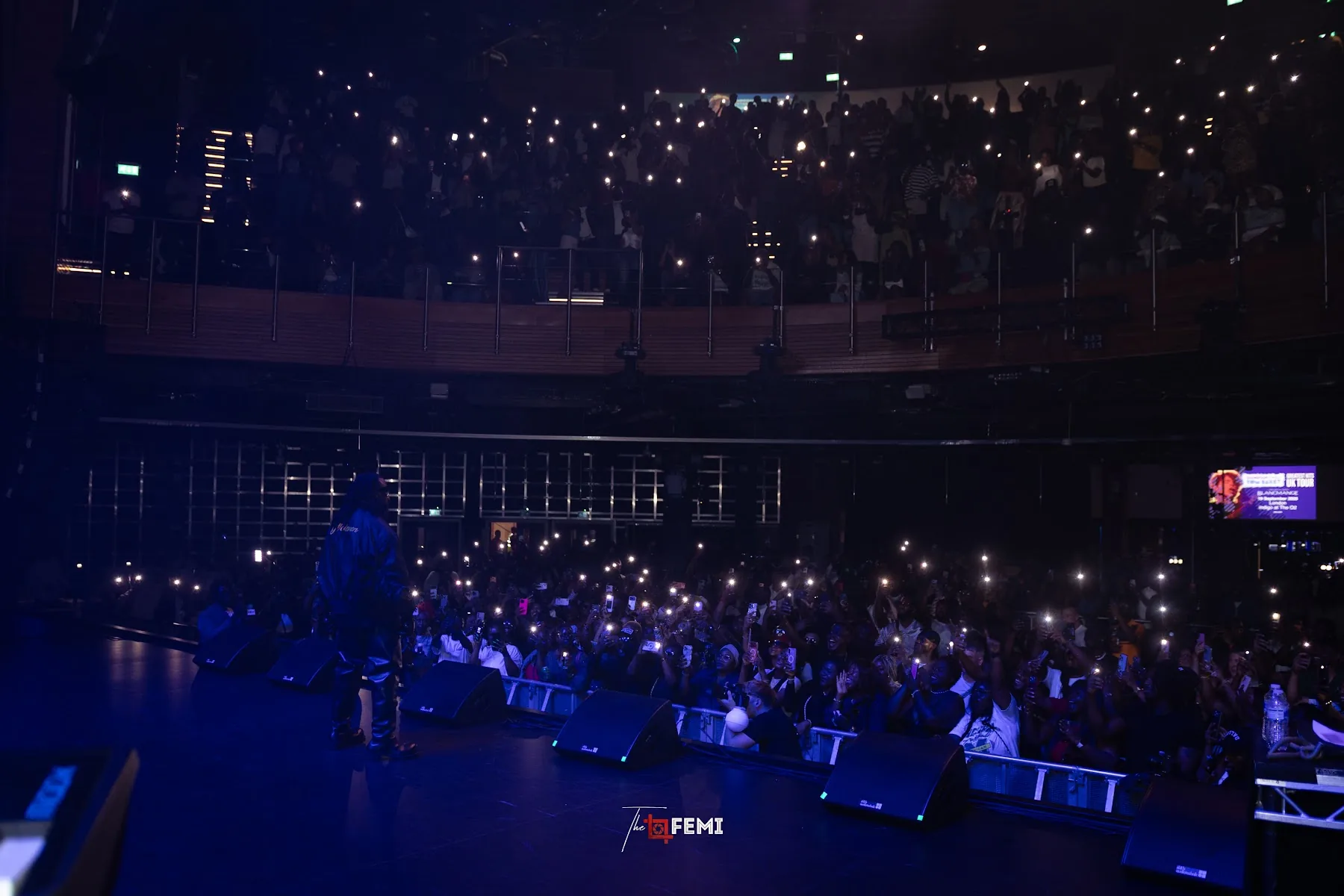
The campaign centred Timaya's approximately 20-year career and catalogue, longevity, cultural memory and return rather than depending on a new album. London mattered as a diaspora market. “Timaya & Friends” made the occasion larger than an ordinary headline date.
SMADE Group: project management · team leadership · promotion · marketing · press · guestlisting · production · programming · artist liaison · logistics
Timaya Live in London
Timaya Day
One sells a performance. The other begins to turn the artist's history into event IP.
Culture & Commerce takeaway
Legacy Is Built Before It Is Marketed
The point is not to wait until an artist has a 20th or 30th anniversary and then invent a legacy campaign. The work happens earlier: preserving the archive, developing recognisable cultural codes, understanding which records carry audience memory, documenting milestones, owning useful IP, building direct audience relationships, creating live history and knowing which places and communities belong authentically to the story.
Read the Timaya Day case studyFree working diagnostic
The Artist Legacy Audit
Are you building a career, or only feeding the next release?
A practical diagnostic for artists, managers and teams to assess what is accumulating around the music, from catalogue and iconography to audience memory, archive and commercial extensions.
“If the music stopped tomorrow, which parts of this career would still be capable of becoming more valuable?”
Take the thinking further
The International Artist Playbook
The Artist Legacy Audit looks at what a career is accumulating over time. The International Artist Playbook looks at whether the artist is ready to take that career into another territory, from market selection and positioning to touring, audience development and commercial infrastructure.
Know what needs to be true before spending on flights, PR or headline shows.
Explore the International Artist PlaybookBuilding beyond the next campaign?
Korrine Sky works with artists, management teams and entertainment businesses across artist positioning, live culture, international market development and the commercial strategy surrounding growth.
Work with KorrineContinue reading
More Culture & Commerce

Culture & Commerce
We're all Africans, until an African headlines Reggae Land
On reggae, ownership, and why Black unity gets complicated the moment power enters the room.
Read
Culture & Commerce
I AM RANKED #1 — BUT HERE’S WHAT ACTUALLY GOT ME THERE
It wasn’t my strategy. It wasn’t even the work. But a realisation that took me years to see; and it happened through my own brand.
Read
Culture & Commerce
Kanye Said Heil Hitler. Everyone Said Fine — Until They Didn’t.
This essay was written as the story unfolded. It ends where the story ended — with a government ban, a cancelled festival, and every institution that approved the booking pretending it never did.
ReadSources & Further Reading
- 01Tottenham Hotspur Stadium — second London show and Yankee Stadium context
- 02Roc Nation / JAŸ-Z30 — anniversary activations and campaign details
- 03Roc Nation / JAŸ-Z25 — Yankee Stadium attendance claim
- 04Brooklyn Public Library — The Book of HOV
- 05Target — Reasonable Doubt 30th Anniversary edition
- 06GQ — Jay-Z in 8 / Rick Rubin
- 07Axios — Target boycott context
- 08TheGrio — Jay-Z's Yankee Stadium response to Target criticism

About the author
Korrine Sky
Cultural strategist, entertainment executive and writer examining the relationship between culture, audience, identity and commercial strategy.