Do You Really Need to Sing in English to Go International?
African artists keep being told the reason they haven't "gone international" is that they sing in their own language. But the world already dances to Zulu, Nigerian pidgin and Jamaican patois without translation. The real question isn't language. It's who gets to decide what "international" means.
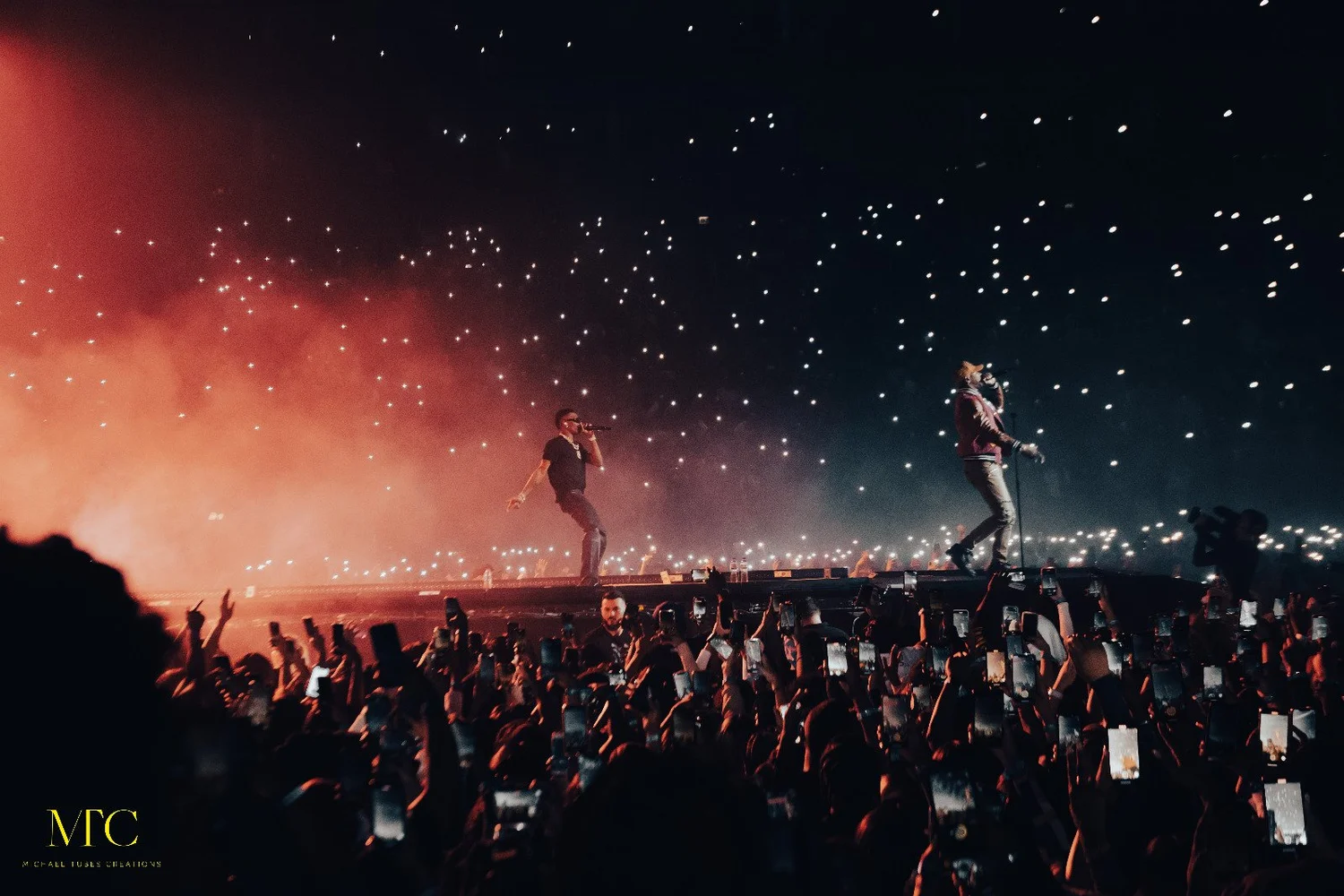
Listen to this essay
Narrated version
The cliché: "sing more in English"
There is a conversation I keep having with African artists.
It usually starts with somebody explaining why an artist hasn't gone "international" yet. The music is good. They can perform. They're already a household name at home, maybe even touring diaspora audiences in London, Johannesburg, Toronto or Perth. But eventually somebody says it: they sing too much in their language. If they want to go international, they need to make more music in English.
I hear this a lot around Zimbabwean music, since that's the market I know intimately, but it's not a Zimbabwe problem. The same logic gets applied to artists from Zambia, Malawi, Botswana, Uganda, Namibia and smaller African markets generally. There's always this anxiety that our languages make us too local. Too specific. Too difficult to understand.
I've started to think language isn't actually the interesting part of this conversation. The word "international" is. Because very often, when we say an African artist hasn't gone international, what we mean is that the West hasn't validated them yet. I'll get to that. But first, the language argument doesn't even hold on its own terms.
Language was never actually the barrier
What language was the world speaking when it danced to Jerusalema? How much isiZulu does the average European Amapiano fan understand? How much Jamaican patois does the average Vybz Kartel fan in Birmingham understand? Fela became one of Africa's most important cultural exports making music that was unmistakably, unapologetically Nigerian. Millions of people sing along in languages they don't speak, every day, without thinking of it as a barrier at all. Apparently language only becomes a fatal commercial problem when the culture producing it has less power behind it.
There's a legitimate commercial question buried in here, about how easily a record travels. But there's a different question sitting underneath it: how much of yourself are you expected to remove before the world finds you accessible? Those aren't the same conversation, and we keep treating them as one.
The demand creates the desire to understand
Most of us don't encounter music with a translated lyric sheet in hand. We hear it first. You know when a record is celebratory before anyone explains the context. You recognise seduction quickly. You can hear grief in someone's voice without sharing their vocabulary. The body is usually several steps ahead of the dictionary, and TikTok has made this obvious, watching people learn a hook phonetically, perform it, and only later ask what it means. Understanding didn't create the demand there. The demand created the desire to understand. Which changes what the actual job is: not always to remove the language barrier, but sometimes to build enough desire on the other side of it that people want to cross it themselves.
Nigeria has infrastructure. It doesn't have a better language
Here's the obvious counter: Nigeria is different. Scale, a huge diaspora, Nollywood, decades of infrastructure, real industry relationships. All true, and an artist from Malawi or Zimbabwe isn't starting from the same place. But none of that proves Yoruba is more exportable than Shona. It proves Nigeria built more roads for its culture to travel on. If an artist from one of those markets struggles to break beyond it, it's worth asking whether we're calling something a language problem when it's actually an infrastructure one. Where are the tastemakers, the labels with real export strategies, the DJs breaking these records outside culturally familiar rooms, the festivals and collaborations actually built to move audiences between territories? Shona isn't unexportable. We just haven't built the machinery to make it familiar outside the places it already lives, and that's a harder answer than telling an artist to change the chorus, because now the problem belongs to all of us, not to them.
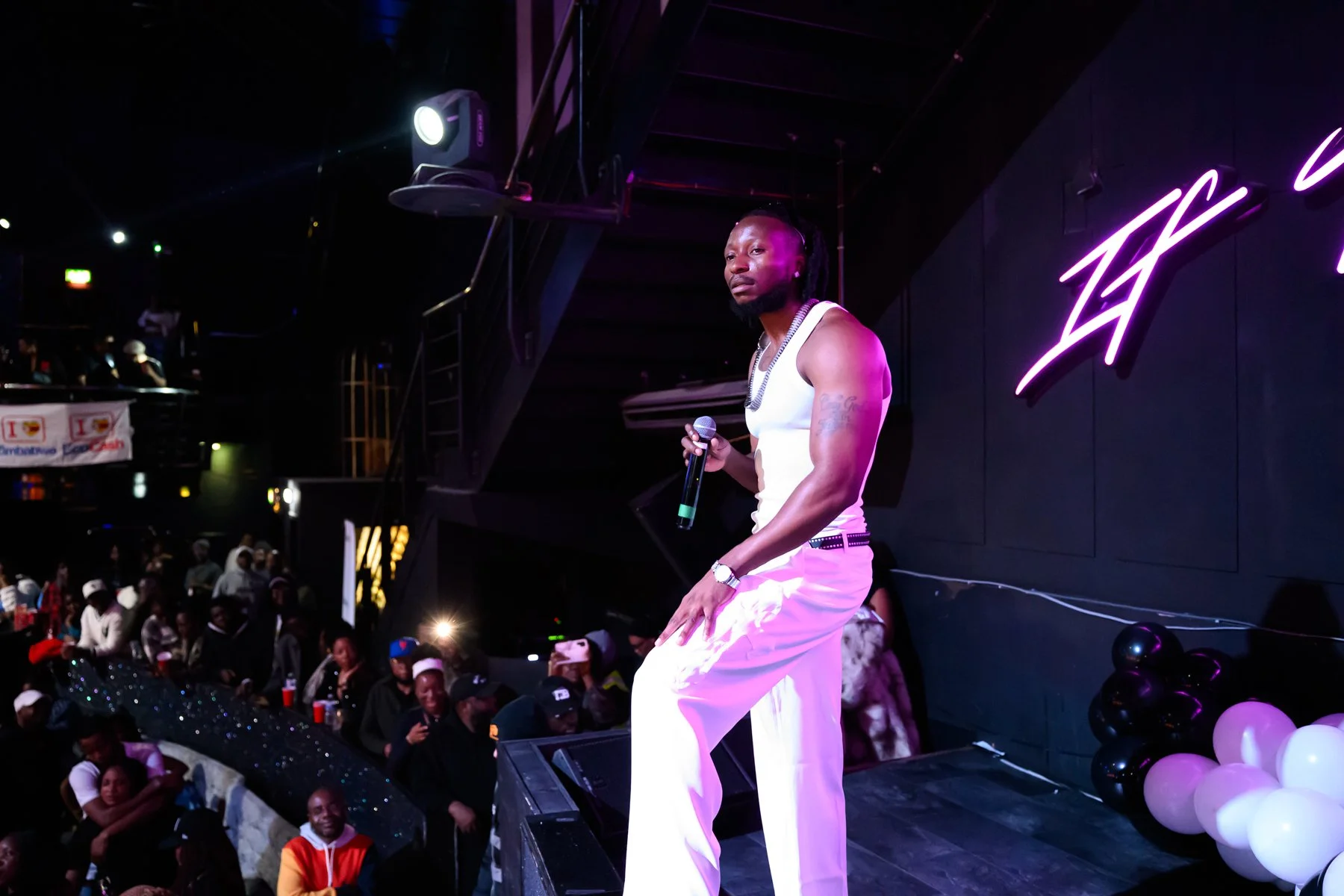
Cities, all sold out
Tickets
Sell-out rate
Free diagnostic
The International Artist Readiness Checklist
Is the barrier your language, or your infrastructure?
A free diagnostic for artists and teams to work out what's actually missing before a market opens, tastemakers, export-ready collaborators, diaspora networks, or a distribution plan built for more than one territory.
“If nobody outside your country has heard this yet, is that because of what you're singing, or who's carrying it?”Get the checklist
We keep solving African problems with assimilation
Watch what happens instead when an artist from a less dominant African market wants to grow. Change the language. Make the hook more accessible. Try Afrobeats, try Amapiano, get a Nigerian feature, work with a South African producer, make it sound more global. Slowly we strip away everything that might tell you where the artist is actually from, then wonder why nobody knows what music from that country sounds like. We tell artists they need a unique selling point and then benchmark them against whatever sound already works instead of whatever makes them distinct. That's not strategy, that's asking someone to stand out and blend in at the same time. If I can already listen to Nigerian Afrobeats made by Nigerians, why do I need an approximation of it from somewhere else, because the market has decided that one African sound is currently easier to sell to the West? Your accent, your references, your rhythms and your way of seeing the world are the thing nobody else can reproduce, because they didn't live it. That's the actual asset. It's strange strategy to remove it first and go looking for a unique selling point second.
I also don't buy that African art should always arrive pre-digested. It comes from protest, spirituality, survival, displacement, resistance, grief and joy, and it carries evidence of that. Sometimes you should hit a word you don't know and have to look it up. Sometimes the reference belongs to the people who already understand it, and the culture doesn't owe you an immediate explanation. That's not bad marketing, that's identity. You can build bridges around the work, translate the lyrics, give people context, but there's a real difference between creating an entry point into a culture and dissolving the culture so nobody needs one.
What Jamaica proves about cultural power
Jamaica is the example that makes the numbers argument hardest to defend. A small island, and reggae, dancehall, sound-system culture, the slang, the production style, all of it travelled without Jamaica becoming less Jamaican first. The world learned Jamaica. That's cultural power, and it's a different thing from being let into someone else's market. It's making other people want into yours.
"International" is doing ideological work
Which brings me to what "international" actually means. Take a Zimbabwean artist who performs in Harare, Johannesburg, Lusaka, Gaborone, London, Toronto and Perth, touring multiple continents, earning across currencies, heard outside Zimbabwe. By any normal definition, that's an international artist. But I know what people mean when they say "they haven't really gone international."
That deserves a beat before I stand behind it. There are African artists who genuinely don't chase Western validation, building real businesses around African, diaspora and pan-African audiences, and those aren't consolation-prize markets, they're enormous ones. But the fact we have to clarify that an African audience counts should tell us everything. Because in this conversation, "international" still tends to mean recognition from a narrow set of Western institutions, Billboard, the Grammys, BBC Radio 1, a major festival slot, a Western deal. Those things bring real money and real leverage, I'm not pretending otherwise. What I question is the authority we've handed them over how we measure ourselves. An artist can sell out arenas across several African countries and still get called niche, until a Western publication finds them, and suddenly they've arrived. That's not really about geography. It's about whose recognition we were trained to treat as universal, and that's a colonial hangover, whether or not we're comfortable naming it that.
English didn't become the default because it won a fair contest. Empire, colonisation, and then American economic and cultural power built the institutions that decide what counts as reaching "the world." So an artist gets told, quite innocently, that singing in English is how you reach people, but whose people? Africa has more than a billion of them. Why does being understood in London read as more international than moving between Harare, Lusaka, Nairobi and Accra? I'm not arguing English has no commercial use, obviously it does. I'm arguing that useful and superior aren't the same thing, and we've had centuries of being taught that proximity to English represents advancement. Our art doesn't need to keep doing that work for free.
Every act of assimilation costs something, even when it's the right trade to make. More people might understand the song, and fewer people might know where it came from. Champagne did not become internationally valuable by hiding where it came from. Origin became part of the premium. With African creativity, we keep doing the opposite: managing the origin out of the work.
What's already ours that nobody else can make
I don't think artists should ignore markets, I work in commerce, that would be ridiculous. Strategy, distribution, touring, data, language, all of it matters. The mistake is starting from subtraction. The better question for an artist from a market without Nigeria's infrastructure isn't how do I sound enough like what's already travelling, it's what's already ours that nobody else can make. Find the diaspora. Translate without diluting. Build audiences in neighbouring countries before treating London and New York as the only destinations that count. Make the language and the references desirable enough that people get curious on their own.
There is nothing inherently unexportable about Shona, or Chichewa, or Bemba, or Luganda, or Setswana. The problem was never that these cultures are too local. It's that we accepted a version of internationalism where everyone else gets to stay culturally specific while we keep volunteering to assimilate. I don't think African art needs that, and if anything it should resist it. Our difference is not the obstacle. Our difference is the product. The job isn't to erase it until someone in the West recognises themselves in us. It's to build enough cultural power that eventually they recognise us.
Take the thinking further
The International Artist Playbook
The Readiness Checklist tells you what's missing. The International Artist Playbook is the decision framework for building it, from market selection and positioning to touring, audience development and the commercial infrastructure that gets a specific, untranslated artist in front of a new territory. Know what needs to be true before spending on flights, PR or headline shows.
£49
Get the PlaybookWork with me
Building an export strategy that doesn't ask your artist to disappear?
Korrine Sky works with artists, management teams and entertainment businesses across artist positioning, live culture, international market development and the commercial strategy surrounding growth.
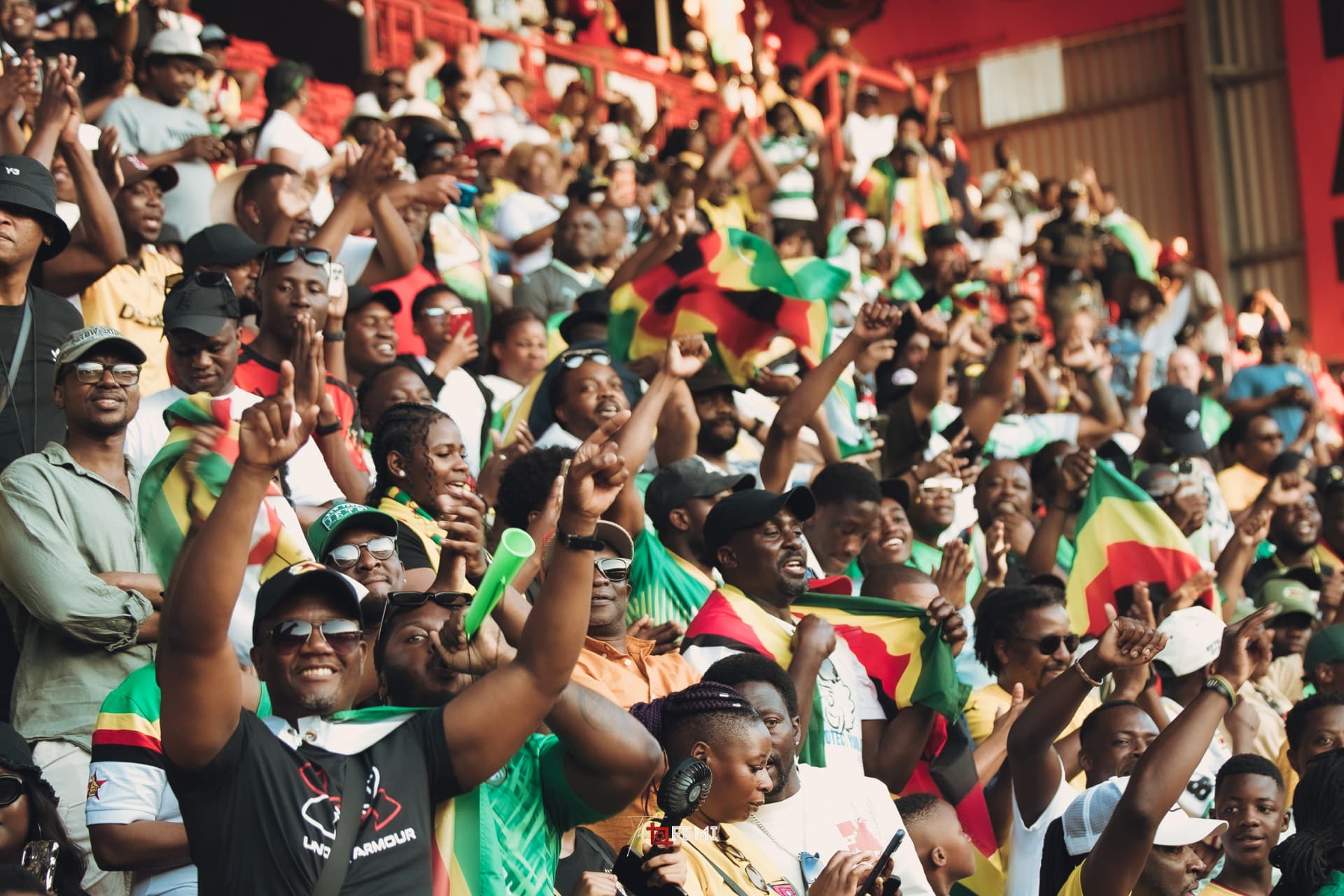

About the author
Korrine Sky
Cultural strategist, entertainment executive and writer examining the relationship between culture, audience, identity and commercial strategy.
Culture & Commerce
The frameworks behind the work, in one PDF, and a note every other week in Culture & Commerce.
Notes on how culture becomes audience, and how audience becomes revenue. Written for artists, teams and brands building beyond their home market.